New Puppy Starter Kit Buyer's Guide: Essentials & Costs
Discover the ultimate new puppy starter kit buyer's guide. We review essential gear, compare costs, and help you prepare your home for your new dog.
Why a Curated Puppy Starter Kit Matters
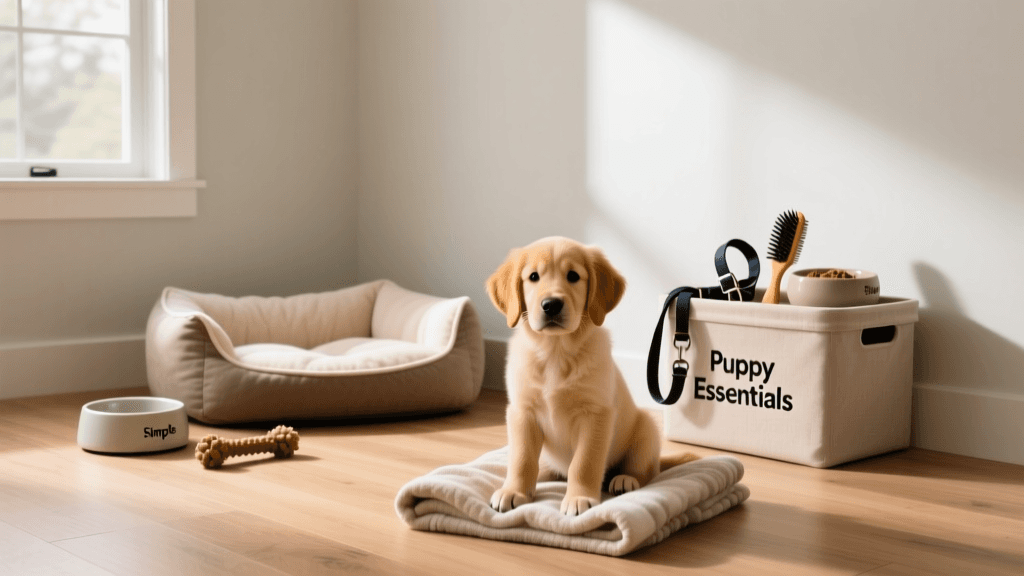
Bringing a new puppy home is a monumental milestone filled with joy, tail wags, and inevitable chaos. As you transition into the exciting phase of getting a dog, the sheer volume of pet products on the market can be overwhelming. From specialized teething toys to ergonomic harnesses, pet stores and online retailers are eager to sell you every gadget imaginable. However, building a practical, budget-friendly puppy starter kit requires separating the absolute essentials from the frivolous extras. According to the ASPCA's new dog care guidelines, preparing your home with the right foundational gear before your puppy arrives is crucial for establishing routines, ensuring safety, and reducing first-day anxiety for both you and your new companion.
This comprehensive buyer's guide cuts through the marketing noise. We will review the most critical categories of puppy gear, provide specific sizing measurements, compare material types, and break down the real costs of building your ultimate puppy starter kit.
The Confinement Zone: Crates and Playpens
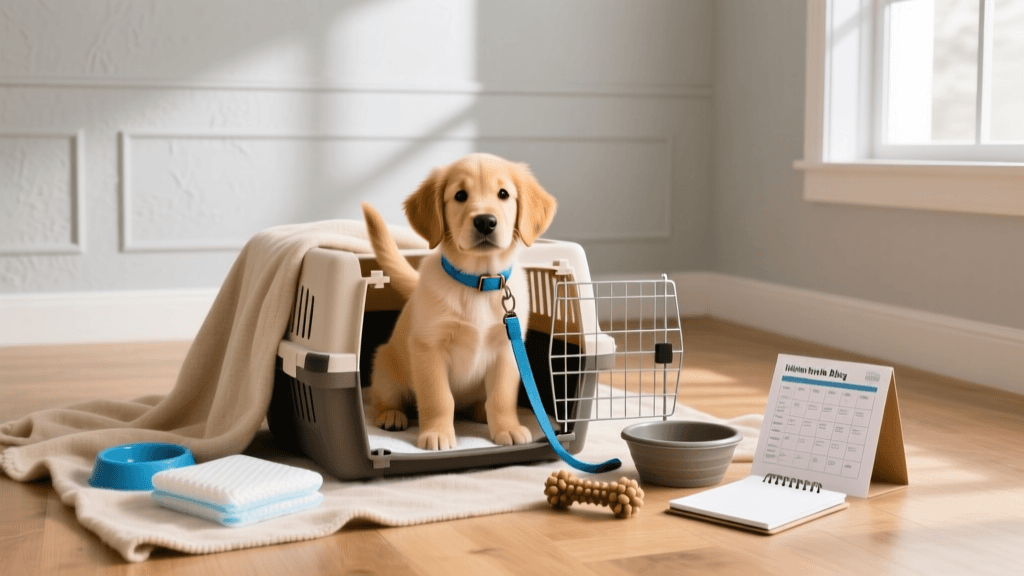
A crate is not just a bed; it is a vital tool for house training and creating a safe den for your puppy. The American Kennel Club (AKC) emphasizes that dogs are naturally den animals, and a properly sized crate taps into their instinct to keep their sleeping area clean, which dramatically accelerates potty training. When shopping for a crate, you generally have three main options: wire, plastic, and soft-sided.
Sizing Rule of Thumb: Your puppy should be able to stand up without hitting their head, turn around completely, and lie down stretched out. For growing puppies, purchase a crate sized for their estimated adult weight and use a movable divider panel to shrink the space down. A space that is too large will allow the puppy to soil one corner and sleep in the other.
| Crate Type | Best For | Pros | Cons | Average Cost |
|---|---|---|---|---|
| Wire Crate (e.g., MidWest iCrate) | House training, home use, warm climates | Excellent visibility, folds flat, includes divider panels | Heavy, can be noisy, not visually appealing | $50 - $120 |
| Plastic Crate (e.g., Petmate Ultra Traditional) | Air travel, anxious dogs who prefer enclosed dens | Airline compliant, cozy den feel, easy to clean | Poor ventilation, bulky to store, no dividers | $40 - $100 |
| Soft-Sided Crate (e.g., EliteField) | Fully house-trained older dogs, car travel, camping | Lightweight, portable, comfortable | Easily destroyed by teething puppies, impossible to clean accidents | $30 - $80 |
Buyer's Verdict: For a new puppy starter kit, a collapsible wire crate with a divider panel is the undisputed champion. It offers the best longevity and utility during the critical house-training months.
Nutrition and Hydration Station
Puppies are notoriously messy eaters and enthusiastic water drinkers. While cheap plastic bowls might seem like an easy choice, they can harbor bacteria in microscopic scratches and cause "puppy acne" on sensitive chins. Instead, invest in high-quality, food-grade stainless steel bowls. Stainless steel is non-porous, dishwasher safe, and incredibly durable.
Pro-Tip for Fast Eaters: If you are adopting a breed prone to gulping food (like Labrador Retrievers or Beagles), skip the standard bowl and opt for a slow-feeder puzzle bowl or a stainless steel lick mat. These products force the puppy to forage for their kibble, slowing down ingestion, preventing dangerous bloat, and providing excellent mental enrichment. Budget around $15 to $25 for a high-quality set of stainless steel bowls and an additional $15 for a puzzle feeder.
Walking Gear: Harnesses vs. Collars
One of the most common mistakes new owners make is attaching a leash directly to a puppy's collar. Puppies have delicate tracheas and developing cervical spines. When a puppy pulls or lunges, a flat collar puts immense, concentrated pressure directly on their throat. The Humane Society of the United States and veterinary behaviorists strongly recommend using a well-fitted, front-clip or dual-clip harness for walking puppies.
When shopping for a puppy harness, look for the following features:
- Adjustability: Puppies grow in erratic spurts. A harness with four adjustment points (like the Ruffwear Front Range or Rabbitgoo No-Pull Harness) will accommodate their changing barrel chest.
- Y-Shaped Front: Avoid harnesses that cut horizontally across the shoulder joints. A Y-shaped chest strap allows for full, natural range of motion in the front legs.
- Escape-Proof Design: Puppies are Houdinis. Look for a harness that includes a belly strap and a martingale loop on the back to prevent them from backing out of the gear when spooked.
Pair the harness with a standard 6-foot nylon or leather leash. Avoid retractable leashes entirely during the puppy phase, as they teach the dog that pulling extends the leash, which is the exact opposite of the loose-leash walking behavior you want to instill.
Puppy-Proofing and Safety Gear
Getting a dog means fundamentally changing how you view your living space. Puppies explore the world with their mouths, and your home is full of hidden hazards. A proper puppy-proofing kit is a non-negotiable part of your starter budget.
- Hardware-Mounted Baby Gates: Do not use pressure-mounted gates at the top of stairs; a determined puppy can push them loose and fall. Invest in hardware-mounted gates with swinging doors for high-traffic areas and stairwells ($40 - $70 each).
- Cord Concealers and Bitter Apple Spray: Puppies love the texture of electrical cords. Use split-loom tubing or rigid cord channels to hide wires. For baseboards and furniture legs, apply a pet-safe deterrent spray like Grannick's Bitter Apple ($10 - $15) to discourage chewing.
- Enzymatic Cleaner: Standard household cleaners will not break down the uric acid in puppy urine, meaning the scent remains detectable to your dog, encouraging repeat offenses. A high-quality enzymatic cleaner like Nature's Miracle or Rocco & Roxie ($15 - $20) is mandatory for accident cleanup.
Enrichment and Teething Relief
Between the ages of 12 weeks and 6 months, puppies will lose their baby teeth and grow their adult set. This process is incredibly painful, leading to destructive chewing if not properly managed. Your starter kit must include a rotation of safe, durable chew toys.
The gold standard for puppy teething is the KONG Classic Puppy (made from a softer, pink or blue rubber formula designed specifically for developing teeth). Stuff it with a mixture of plain yogurt, pumpkin puree, and kibble, then freeze it overnight. The cold rubber soothes inflamed gums, while the foraging activity tires out their brain. Complement this with a snuffle mat ($20 - $30) for nose-work games, which can burn as much mental energy as a two-mile walk, making it an essential tool for rainy days or when the puppy is on restricted exercise.
The True Cost of Your Puppy Starter Kit
Budgeting accurately prevents sticker shock during the first week of dog ownership. Below is a realistic breakdown of what you can expect to spend on a high-quality, durable starter kit that will last well into your dog's adult years.
| Item Category | Recommended Product Type | Estimated Cost Range |
|---|---|---|
| Confinement | Wire Crate with Divider & Metal Playpen | $90 - $160 |
| Walking Gear | Y-Shaped Harness & 6ft Nylon Leash | $35 - $65 |
| Feeding | Stainless Steel Bowls & Slow Feeder | $25 - $45 |
| Safety & Cleaning | Baby Gates, Cord Protectors, Enzymatic Cleaner | $60 - $120 |
| Enrichment | KONG Puppy, Snuffle Mat, Chew Toys | $35 - $60 |
| Total Estimated Starter Kit | One-time foundational purchases | $245 - $450 |
Final Thoughts on Preparing Your Home
Investing in a thoughtfully curated puppy starter kit is an investment in your future relationship with your dog. By prioritizing safety, proper confinement, and mental enrichment from day one, you set the stage for a well-adjusted, confident companion. Remember that while it is tempting to buy every cute sweater and novelty toy you see, focusing on the structural essentials outlined above will make the transition of getting a dog a joyful, manageable, and deeply rewarding experience.
tom-renshaw
All our authors care for dogs every day — read more of their work on the authors page.