Xoloitzcuintli Skin Care and Sun Protection Guide 2026
Discover the ultimate 2026 skin care and sun protection routine for your Xoloitzcuintli. Learn about dog-safe sunscreens, moisturizers, and health tips.
Introduction to the Xoloitzcuintli's Unique Dermatological Needs
The Xoloitzcuintli, affectionately known as the Xolo, is a national treasure of Mexico and one of the world's most ancient and exotic dog breeds. Recognized for their striking hairless appearance—though coated varieties do exist—these dogs require a highly specialized approach to dermatological health. Without a protective coat, the Xolo’s skin is directly exposed to environmental stressors, making them uniquely susceptible to solar dermatitis, severe canine acne, and premature skin aging. As we navigate the environmental shifts of 2026, including increasingly erratic UV index spikes and shifting pollen seasons, proactive skin care is no longer optional. It is a critical, non-negotiable component of your Xolo's overall health and wellbeing.
According to the American Kennel Club's Xoloitzcuintli breed profile, their skin should be smooth and soft, but maintaining this requires a rigorous, scientifically backed routine. This comprehensive 2026 guide will walk you through the exact products, timings, and veterinary recommendations necessary to keep your exotic companion's skin barrier resilient, hydrated, and protected from the sun's harmful rays.
The 2026 Sun Protection Protocol for Hairless Breeds
Solar dermatitis is one of the most common and dangerous conditions affecting hairless dogs. Prolonged exposure to UVA and UVB rays can lead to severe sunburns, leathery skin thickening, and eventually, squamous cell carcinoma—a malignant skin cancer. In 2026, veterinary dermatologists emphasize that sun protection must be a daily habit, even on overcast days, as up to 80% of UV rays can penetrate cloud cover.
Choosing the Right Canine Sunscreen
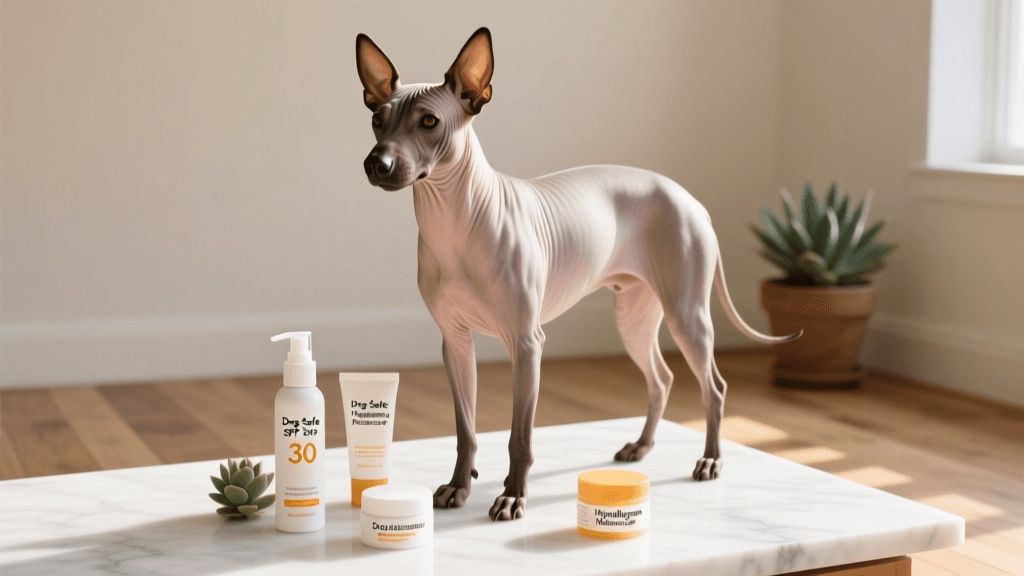
One of the most critical rules of Xolo care is to never use human sunscreen. Many human formulations contain zinc oxide or para-aminobenzoic acid (PABA), both of which are highly toxic to dogs if ingested during grooming. Zinc oxide ingestion can cause severe gastrointestinal distress and hemolytic anemia. The AKC's official guidelines on dog sunscreen strongly advise using only pet-specific formulations. In 2026, the gold standard for Xolo sun protection includes lotions utilizing non-nano titanium dioxide as the active physical blocker, combined with natural antioxidants like vitamin E and green tea extract to neutralize free radicals.
- Application Timing: Apply sunscreen 20 minutes before outdoor exposure to allow it to bind to the stratum corneum (the outermost skin layer).
- Reapplication: Reapply every 3 to 4 hours, or immediately after swimming or excessive sweating.
- Target Areas: Focus heavily on the bridge of the nose, the tips of the ears, the groin, and the sparsely haired belly.
Daily Cleansing and Canine Acne Prevention
Because Xolos lack hair follicles to wick away sebum (the skin's natural oil), their sebaceous glands can easily become clogged, leading to comedones (blackheads) and painful bacterial folliculitis. The modern 2026 approach to Xolo cleansing moves away from harsh, stripping shampoos and focuses on microbiome-balancing, keratolytic ingredients.
The Role of Chlorhexidine and Salicylic Acid
For routine maintenance, veterinary dermatologists recommend wiping the dog down every evening with pads containing 2% to 4% chlorhexidine and a mild salicylic acid concentration. Salicylic acid is a beta-hydroxy acid (BHA) that penetrates oil-filled pores, gently exfoliating dead skin cells and preventing the formation of blackheads. Products like the Douxo S3 PYO pads have become a staple in the Xolo community for their ability to soothe inflammation while controlling localized bacterial overgrowth without disrupting the skin's natural acid mantle.
Bathing Frequency and Techniques
Over-bathing is a common mistake among new Xolo owners. Stripping the skin of its natural lipids leads to rebound oil production and severe dryness. In 2026, the consensus is to bathe a Xolo only once every two to three weeks using a hypoallergenic, oatmeal-based, or ceramide-enriched canine shampoo. Water temperature should be lukewarm (around 98°F or 36.5°C), as hot water exacerbates inflammation and strips essential moisture.
Moisturizing and Barrier Repair
While many owners historically relied on coconut oil or olive oil to moisturize their Xolos, veterinary science has evolved. Plant oils are highly comedogenic (pore-clogging) for dogs and can exacerbate acne. Furthermore, oils can create a greenhouse effect on the skin, trapping heat and bacteria. Instead, the 2026 standard of care involves topical sprays and lotions formulated with synthetic canine ceramides, hyaluronic acid, and niacinamide.
Ceramides are lipid molecules that make up over 50% of the skin's outer barrier. Applying a veterinary-grade ceramide spray (such as Virbac Allerderm or similar 2026 formulations) immediately after a bath, while the skin is still slightly damp, locks in moisture and repairs microscopic tears in the skin barrier. Niacinamide (Vitamin B3) is also highly recommended for its ability to reduce redness, regulate oil production, and improve skin elasticity.
Dietary Interventions and Internal UV Defense
Topical care must be supported by internal nutrition. A Xolo's skin health is a direct reflection of their gut health and systemic inflammation levels. In 2026, holistic veterinarians recommend a diet rich in bioavailable Omega-3 fatty acids, specifically EPA and DHA derived from wild-caught Alaskan salmon oil or microalgae.
- Omega-3 Dosage: A general 2026 guideline is 20-50 mg of combined EPA/DHA per pound of body weight daily to maintain optimal skin lipid levels.
- Astaxanthin: This powerful, naturally occurring carotenoid (found in krill) acts as an internal sunscreen. Studies show it accumulates in the skin and provides a measurable degree of protection against UV-induced oxidative stress.
- Hydration: Hairless dogs lose transepidermal water at a higher rate than coated breeds. Ensure your Xolo has access to a pet water fountain to encourage continuous hydration throughout the day.
Environmental Allergens and Contact Dermatitis
Without a coat to act as a physical shield, a Xolo's skin is in direct contact with environmental allergens, including grass pollens, mold spores, and household cleaning chemicals. Contact dermatitis is highly prevalent in the breed. To mitigate this in 2026, owners are advised to use a damp microfiber cloth to wipe down their dog's paws, belly, and legs immediately after returning from a walk. Additionally, switching to hypoallergenic, fragrance-free laundry detergents for the dog's bedding and your own clothing is crucial, as the dog will frequently rub against your legs and furniture.
The Ultimate 2026 Xoloitzcuintli Skin Care Routine Chart
Consistency is the key to managing a hairless breed's dermatological health. Below is a structured, actionable daily and weekly routine designed for the modern Xolo owner.
| Time / Frequency | Action Step | Recommended Product Type | Est. 2026 Cost |
|---|---|---|---|
| Morning (Pre-Walk) | Apply SPF 30+ Pet Sunscreen | Titanium Dioxide Canine Lotion | $18 - $24 |
| Post-Walk | Wipe down belly and paws | Damp Microfiber Cloth / Plain Water | $10 (Reusable) |
| Evening | Clear pores and remove sebum | 2% Chlorhexidine + Salicylic Acid Pads | $25 - $32 |
| Before Bed | Hydrate and repair skin barrier | Canine Ceramide & Hyaluronic Spray | $22 - $30 |
| Bi-Weekly | Deep cleanse and bathe | Hypoallergenic Oatmeal/Ceramide Shampoo | $15 - $20 |
| Daily (Diet) | Support lipid barrier internally | Wild Alaskan Salmon Oil (EPA/DHA) | $20 - $35 |
When to Consult a Veterinary Dermatologist
Even with a meticulous 2026 skin care routine, Xolos are genetically predisposed to certain dermatological issues that require professional intervention. You should schedule an appointment with a board-certified veterinary dermatologist if you notice any of the following warning signs:
- Persistent Redness or Heat: Indicators of a secondary bacterial or yeast (Malassezia) infection.
- Crusty or Scaly Lesions: Particularly on the nose, ear margins, or groin, which could be early signs of solar dermatitis or autoimmune conditions like discoid lupus erythematosus (DLE).
- Changes in Pigmentation: Dark, raised, or ulcerated spots that do not heal within a week must be biopsied to rule out squamous cell carcinoma or melanoma.
- Excessive Scratching or Licking: A clear sign of atopic dermatitis or environmental allergies that may require prescription medications like Apoquel or Cytopoint.
For comprehensive, ongoing education on general canine health and preventative care, the American Veterinary Medical Association's dog care resources remain an invaluable tool for owners of all breeds, including exotic and hairless varieties. By combining modern veterinary science with a dedicated daily routine, you can ensure your Xoloitzcuintli thrives, showcasing the beautiful, healthy skin that makes this ancient breed so extraordinary.
priya-sutaria
All our authors care for dogs every day — read more of their work on the authors page.