Quiet Apartment Dog Breeds: 2026 Health & Wellness Guide
Discover the best quiet dog breeds for apartments in 2026. Learn essential health, joint care, and mental enrichment tips for low-energy city dogs.
The Rise of Quiet Apartment Dogs in 2026
As urban living spaces become more compact and noise ordinances in residential buildings grow stricter in 2026, the demand for quiet, low-energy dog breeds has reached an all-time high. Apartment dwellers are increasingly seeking canine companions that thrive in smaller square footage without disturbing neighbors with excessive barking. However, selecting a quiet breed is only the first step. The true challenge lies in managing their unique physical and mental health needs within a confined environment. A dog that is physically quiet may still suffer from joint degradation, obesity, or silent anxiety if their apartment lifestyle is not carefully curated.
According to recent 2026 veterinary wellness reports, indoor dogs in urban environments face distinct health hurdles, ranging from limited cardiovascular exertion to environmental stressors. This comprehensive guide explores the top quiet dog breeds for apartments and provides actionable, up-to-date health and wellbeing strategies to ensure your city-dwelling companion lives a long, vibrant, and comfortable life.
Top Quiet Breeds and Their Unique Health Profiles
Not all quiet dogs share the same physiological needs. Understanding the breed-specific health risks associated with popular apartment dogs is crucial for preventive care.
1. Greyhound: The 45-MPH Couch Potato
Despite their racing heritage, retired Greyhounds are famously docile and quiet indoors, earning them the nickname "45-mph couch potatoes." They rarely bark and are content to lounge on a sofa for hours. However, their unique physiology requires specific apartment modifications. Greyhounds have extremely low body fat and thin skin, making them highly susceptible to cold drafts and hard surfaces. In 2026, veterinary orthopedists emphasize the necessity of high-density memory foam bedding to prevent pressure sores and joint stiffness. Furthermore, their deep chests put them at risk for Gastric Dilatation-Volvulus (GDV), or bloat, meaning apartment owners must enforce a strict rest period after meals and avoid elevated feeding stations unless prescribed by a vet.
2. Basset Hound: The Low-Rider
Basset Hounds are generally laid-back and relatively quiet, though they possess a deep, resonant bark when provoked. Their low energy levels make them suitable for apartments, but their elongated spines and heavy bone structure present significant health risks. Intervertebral Disc Disease (IVDD) is a primary concern. To protect their spinal health in a multi-level apartment or a unit with high furniture, owners must invest in pet ramps or stairs. Additionally, their long, pendulous ears trap moisture and debris, making weekly ear cleaning with a veterinarian-approved, pH-balanced cleanser mandatory to prevent chronic otitis externa.
3. Cavalier King Charles Spaniel: The Gentle Companion
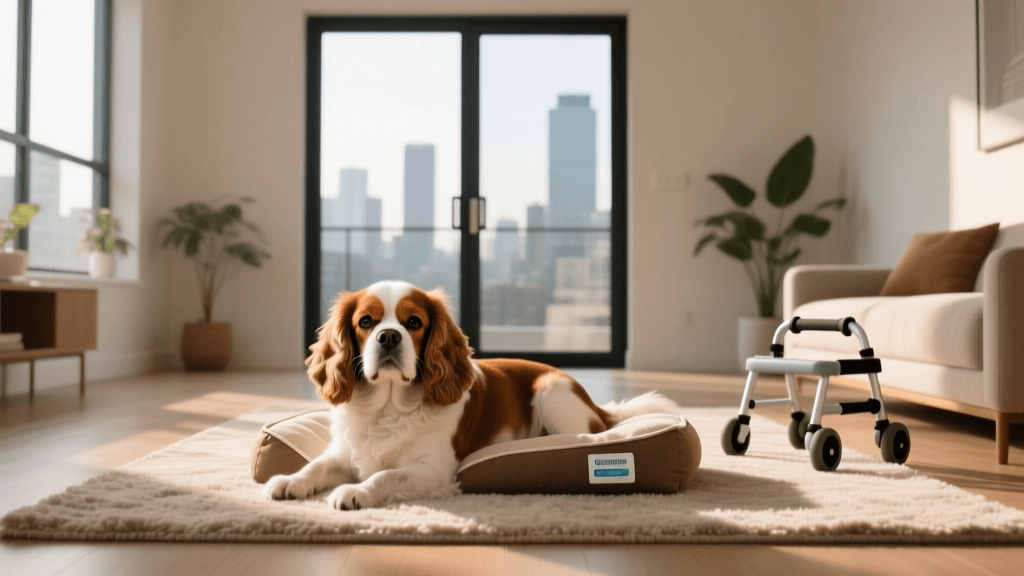
Cavaliers are exceptionally quiet, affectionate, and adaptable to small spaces. They are widely considered one of the best breeds for apartment living. Unfortunately, their gentle nature is accompanied by severe genetic health predispositions. Mitral Valve Disease (MVD) is prevalent in the breed, often developing early in life. Regular 2026 veterinary cardiology guidelines recommend annual echocardiograms for Cavaliers over the age of three. Additionally, they are prone to syringomyelia, a painful neurological condition. Owners must be vigilant about using well-fitted, padded harnesses rather than neck collars to avoid any pressure on the cervical spine during walks.
4. Shiba Inu: The Clean and Quiet Stoic
Shiba Inus are famously cat-like in their cleanliness and are generally very quiet, rarely barking without a distinct reason. However, their mental health and physical allergies require proactive management. Shibas are highly intelligent and can develop destructive behaviors or silent anxiety if under-stimulated in a small apartment. They are also prone to atopic dermatitis (environmental allergies). Investing in a high-quality HEPA air purifier for your apartment can significantly reduce airborne allergens like dust mites and pollen, directly improving their dermatological health.
Comparative Health & Lifestyle Table
| Breed | Avg Weight | Barking Level | Primary Health Risk | Daily Exercise Need |
|---|---|---|---|---|
| Greyhound | 60-70 lbs | Very Low | Pressure Sores / GDV | 30-45 mins |
| Basset Hound | 40-65 lbs | Low (but loud) | IVDD / Ear Infections | 20-30 mins |
| Cavalier King Charles | 12-18 lbs | Very Low | MVD / Syringomyelia | 30-40 mins |
| Shiba Inu | 17-23 lbs | Low | Atopic Dermatitis / Anxiety | 45-60 mins |
Essential Apartment Wellness Strategies for 2026
Keeping a quiet dog healthy in an apartment goes beyond daily walks. It requires a holistic approach to their environment, diet, and mental stimulation.
Joint Protection and Environmental Modifications
Even low-energy dogs suffer from joint wear and tear, particularly when navigating slippery apartment floors or jumping on and off furniture. In 2026, interlocking foam floor tiles or low-pile, non-slip area rugs are considered essential for apartments with hardwood or laminate flooring to prevent luxating patellas and hip strain. For breeds like the Basset Hound or older Greyhounds, orthopedic pet stairs are a vital investment. Expect to spend between $70 and $120 on high-quality, high-density foam stairs that will not collapse under your dog's weight. Furthermore, maintaining a strict weight management protocol is the single most effective way to reduce joint stress in a confined living space.
Mental Enrichment for Small Spaces
A quiet dog is not necessarily a content dog. Breeds like the Shiba Inu or even the docile Greyhound require mental stimulation to prevent cognitive decline and depression. Since apartment living limits the sensory input a dog receives compared to a house with a large yard, owners must bring the enrichment indoors. Snuffle mats, which mimic the act of foraging, are excellent for slowing down fast eaters and engaging their olfactory senses. In 2026, smart puzzle feeders that dispense kibble via Bluetooth-controlled apps allow owners to schedule mental enrichment sessions while they are at work, breaking up the monotony of the day and reducing separation anxiety.
Nutrition and Weight Management
The most significant threat to the health of an apartment-dwelling dog is obesity. Low-energy breeds like the Basset Hound and Cavalier King Charles Spaniel require significantly fewer calories than their active counterparts. According to the American Veterinary Medical Association (AVMA), over 50% of pet dogs are overweight or obese, a statistic heavily skewed toward indoor, urban pets. Transitioning to a weight-management kibble or carefully measuring raw food portions using a digital kitchen scale is non-negotiable. Treats should not exceed 10% of their daily caloric intake. Utilizing low-calorie alternatives like freeze-dried green beans or small pieces of carrot can satisfy their desire to chew without contributing to dangerous visceral fat accumulation.
Preventive Veterinary Care
Because quiet dogs often mask pain and do not vocalize distress, routine veterinary care is paramount. The American Kennel Club (AKC) strongly advises that owners of predisposed breeds adhere to strict screening schedules for cardiac and neurological conditions. In 2026, many urban veterinary clinics offer comprehensive wellness panels that include thyroid function, inflammatory markers, and early cardiac screening. Do not wait for your quiet dog to show signs of lethargy; by the time a stoic breed exhibits visible pain, the underlying condition is often advanced.
Conclusion
Living in an apartment with a quiet dog breed is a highly rewarding experience, provided you are proactive about their specific health and wellbeing needs. By understanding the unique physiological risks of breeds like the Greyhound, Basset Hound, Cavalier King Charles Spaniel, and Shiba Inu, you can tailor your living space and daily routines to support their longevity. From investing in orthopedic support and non-slip flooring to prioritizing mental enrichment and strict weight management, the steps you take in 2026 will ensure your quiet companion remains a happy, healthy, and peaceful presence in your home for years to come. Always consult with your primary veterinarian to develop a customized wellness plan that addresses your dog's specific breed traits and your apartment's unique layout.
jonas-cole
All our authors care for dogs every day — read more of their work on the authors page.