2026 Xoloitzcuintli Skin Care and Dental Health Guide
Discover the 2026 Xoloitzcuintli skin and dental care guide. Learn tips on dog sunscreen, acne prevention, and managing missing teeth in hairless Xolos.
Introduction to the Xoloitzcuintli
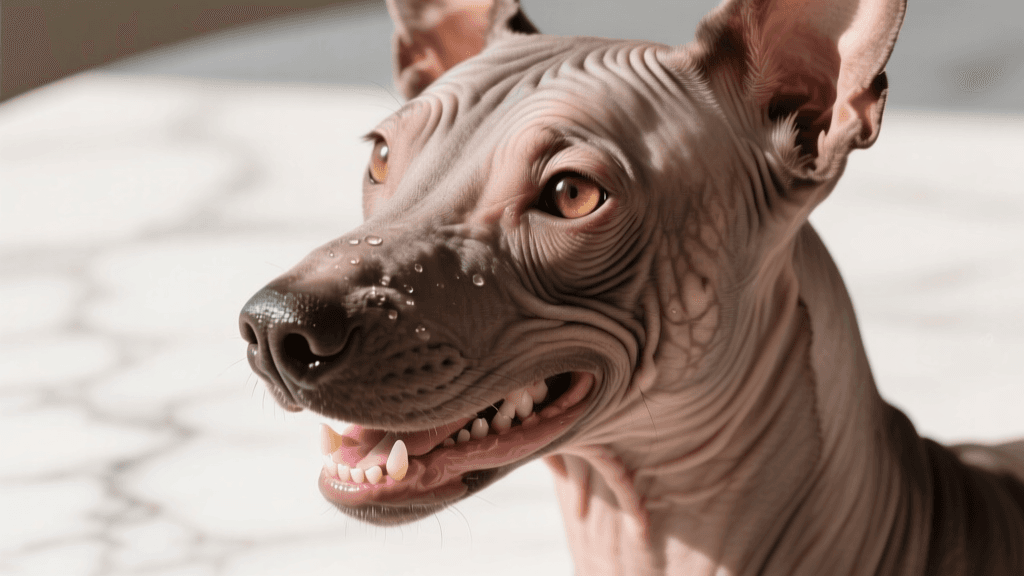
The Xoloitzcuintli, affectionately known as the Xolo, is one of the oldest and most culturally significant dog breeds in the world. Originating in Mexico over 3,000 years ago, these dogs were revered by the Aztecs, Toltecs, and Mayans for their healing properties and their role as spiritual guides. Today, the Xolo is celebrated globally for its striking appearance, profound loyalty, and unique physiological traits. While the breed comes in both coated and hairless varieties, it is the hairless Xolo that requires a highly specialized approach to health and wellbeing.
As we navigate veterinary care in 2026, advanced dermatological research and specialized canine nutrition have vastly improved the life expectancy and comfort of the hairless Xolo. However, their unique genetic makeup demands that owners go beyond standard dog care routines. This comprehensive guide explores the specific skin, dental, and environmental needs of the hairless Xoloitzcuintli, providing actionable, up-to-date advice for modern pet parents.
The Genetics of Hairlessness: The FOXI3 Gene
To understand the health needs of the hairless Xolo, one must first understand the genetics that define them. The hairless trait is caused by a dominant mutation in the FOXI3 gene. This specific genetic variant is responsible for the breed's lack of coat, but it is also intrinsically linked to their dental anomalies and specific skin structures. Because this gene affects the ectoderm (the embryonic layer that gives rise to skin, hair, and teeth), hairless Xolos are born with a predisposition to missing teeth and sensitive skin barriers. According to the American Kennel Club breed standards, the absence of certain teeth in the hairless variety is a natural genetic consequence, not a disease, but it fundamentally alters how they eat and process food.
Unique Dermatological Needs of the Hairless Xolo
Without a protective layer of fur, the Xolo's skin is directly exposed to environmental stressors, pollutants, and UV radiation. Their skin is remarkably similar to human skin, meaning they are susceptible to sunburns, dryness, acne, and temperature fluctuations.
Sun Protection and UV Safety in 2026
One of the most critical aspects of Xolo care is sun protection. Hairless dogs can suffer from severe sunburns, which over time can lead to squamous cell carcinoma and other forms of skin cancer. In 2026, veterinary dermatologists strictly advise against using human sunscreens on dogs. Human formulations often contain zinc oxide, PABA, and salicylates, which are highly toxic if ingested during grooming. The FDA guidelines on pet sunscreen safety explicitly warn pet owners about the dangers of these human-grade ingredients.
Instead, owners must use pet-specific, non-toxic sunscreens. Top recommendations for 2026 include the Epi-Pet Sun Protector Spray, which has been reformulated to offer broad-spectrum UVA/UVB protection while remaining completely safe if licked. For targeted application on the snout and ear tips, My Dog Nose It Best sun protection balm remains a staple due to its moisturizing, wax-based barrier that resists wiping off during outdoor play.
Managing Canine Acne and Blackheads
The hairless Xolo is notorious for developing canine acne and blackheads (comedones), particularly along the chin, snout, and back. This occurs when dead skin cells and sebum clog the hair follicles that are still present beneath the surface. Squeezing these blemishes is strictly forbidden, as it can push bacteria deeper into the skin and cause severe staph infections.
To manage this, incorporate a gentle exfoliating routine. Use veterinary-recommended chlorhexidine wipes, such as Pet MD Chlorhexidine 2% Wipes, to gently cleanse the affected areas twice a week. For persistent acne, a 2026 veterinary consensus suggests using a benzoyl peroxide-based dog shampoo (at a low 2.5% concentration) to flush out the follicles, followed by a non-comedogenic canine moisturizer to prevent the skin from overproducing oil in response to dryness.
Bathing and Moisturizing Routines
Over-bathing is a common mistake among new Xolo owners. Stripping the skin of its natural oils leads to severe flaking and irritation. In 2026, the recommended bathing schedule for a hairless Xolo is once every three to four weeks, unless they become visibly soiled. When bathing, use a hypoallergenic, soap-free shampoo like Earthbath Oatmeal & Aloe. Immediately after towel-drying, while the skin is still slightly damp, apply a dog-safe moisturizer. Warren London Hydrating Butter is highly rated this year for its ability to lock in moisture without clogging pores, utilizing natural ingredients like shea butter and coconut oil.
Dental Anomalies: The Xolo's Missing Teeth
As previously mentioned, the FOXI3 gene mutation results in oligodontia—the congenital absence of teeth. While a coated Xolo will typically have a full set of 42 teeth, a hairless Xolo is almost always missing several premolars, and sometimes incisors or canines. While this is a hallmark of the breed, it requires specific dietary and dental hygiene adjustments.
Dietary Adjustments for Dental Health
Missing premolars significantly reduces the Xolo's ability to crush and grind hard kibble. Many Xolos will attempt to swallow dry kibble whole, which can lead to choking hazards, regurgitation, and poor nutrient absorption. In 2026, veterinary nutritionists recommend transitioning hairless Xolos to a soft-food diet or rehydrating high-quality kibble with warm water or low-sodium bone broth to soften it before meals.
Brands like Hill's Science Diet Soft & Tender Chunks or high-quality freeze-dried raw diets (such as Stella & Chewy's patties rehydrated with water) provide complete nutrition in a texture that is easy for a Xolo to mash with their tongue and remaining molars. Avoid hard nylon chew toys and antlers, as the remaining teeth bear disproportionate bite force and are at a higher risk of fracturing.
Daily Dental Hygiene
It is a dangerous myth that dogs with missing teeth do not need brushing. The remaining teeth are actually at a higher risk for periodontal disease because food particles easily become trapped in the gaps left by missing premolars. Daily brushing with an enzymatic veterinary toothpaste, such as Virbac C.E.T. Poultry Flavor Toothpaste, is mandatory. Focus the brush on the gumline of the existing molars and canines to prevent gingivitis and eventual tooth loss.
Temperature Regulation and Metabolism
The absence of a coat means the hairless Xolo lacks natural insulation. They lose body heat rapidly in cold environments and absorb heat quickly in warm ones. Furthermore, Xolos naturally run a slightly higher body temperature than other breeds, which historically led to the myth that they were 'healing' dogs when pressed against human skin.
In 2026, managing their environment is easier than ever with smart pet technology. During the winter, a well-fitting canine sweater is non-negotiable for outdoor walks. Look for garments with a fleece lining and a water-resistant outer shell. Indoors, heated pet beds like the K&H Pet Products Thermo-Snuggly Sleeper provide a safe, low-wattage heat source that activates only when the dog's weight is detected. Conversely, during the summer months, cooling mats such as the Arf Pets Self-Cooling Solid Gel Mat are essential to prevent overheating, especially since Xolos cannot pant as efficiently to cool down if they are already heat-stressed.
2026 Xoloitzcuintli Preventative Care Schedule
Maintaining a hairless Xolo requires a structured routine. Below is a recommended preventative care calendar tailored specifically for the breed's unique physiology.
| Frequency | Care Task | Recommended 2026 Product / Action | Estimated Cost |
|---|---|---|---|
| Daily | Dental Brushing | Virbac C.E.T. Enzymatic Toothpaste & Soft Brush | $12 - $15 |
| Daily (Outdoor) | Sun Protection | Epi-Pet Sun Protector Spray (SPF 30+ Pet Safe) | $18 - $22 |
| Twice Weekly | Acne / Pore Cleansing | Pet MD Chlorhexidine 2% Wipes | $15 - $18 |
| Every 3-4 Weeks | Bathing & Hydration | Earthbath Oatmeal Shampoo + Warren London Butter | $25 - $35 |
| Seasonal | Wardrobe Check | Fleece Sweaters (Winter) / Cooling Mats (Summer) | $30 - $60 |
| Annual | Veterinary Derm & Dental | Full skin check and professional dental scaling | $250 - $400 |
Nutritional Support for the Skin Barrier
Even without a heavy coat, the Xolo's skin requires immense nutritional support to maintain its elasticity and barrier function. In 2026, the integration of Omega-3 fatty acids into the Xolo's diet is considered a standard of care by holistic veterinarians. Supplementing with high-quality, wild-caught salmon oil, such as Nordic Naturals Omega-3 Pet, provides essential EPA and DHA. These fatty acids reduce systemic inflammation, combat dry skin flaking, and support joint health, which is vital for the Xolo's athletic, sighthound-like build.
Conclusion
Owning a hairless Xoloitzcuintli is a deeply rewarding experience, but it is not a low-maintenance endeavor. Their ancient genetics require a modern, proactive approach to veterinary care. By prioritizing pet-safe sun protection, managing canine acne with gentle antiseptics, adapting their diet to accommodate missing teeth, and regulating their environmental temperature, you can ensure your Xolo thrives. As veterinary dermatology and canine nutrition continue to advance through 2026, Xolo owners have access to better tools and products than ever before. For more detailed insights on hairless breed care, always consult with a board-certified veterinary dermatologist and refer to trusted resources like the AKC expert advice on canine sun safety.
beth-carrasco
All our authors care for dogs every day — read more of their work on the authors page.