2026 Apartment Wellness Guide for Quiet Greyhounds and Basenjis
Discover 2026 health, joint care, and mental enrichment strategies for keeping quiet apartment breeds like Greyhounds and Basenjis thriving indoors.
The Hidden Health Challenges of Quiet Apartment Dogs
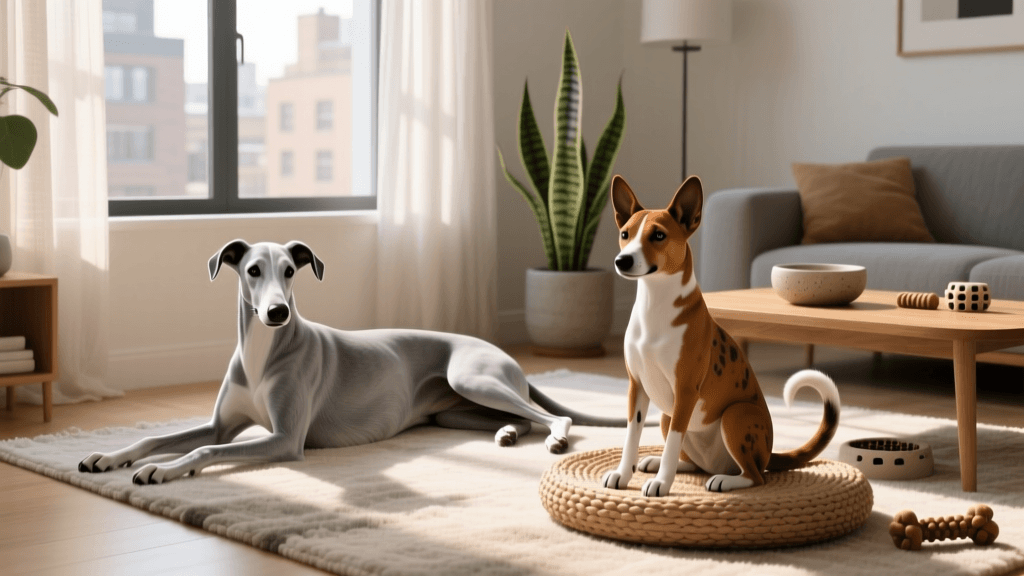
As urban living continues to evolve in 2026, more dog owners are gravitating toward quiet, low-vocalization breeds that adapt well to apartment environments. Breeds like the Greyhound, the Basenji, and the Basset Hound are highly sought after for their relatively quiet dispositions, making them ideal neighbors in high-density housing. However, a quiet demeanor does not equate to low maintenance. In fact, the confined spaces of apartment living present unique physical and mental health challenges for these specific breeds. Without proper holistic wellness strategies, joint support, and targeted mental enrichment, even the quietest dogs can develop severe anxiety, obesity, and mobility issues. This comprehensive guide explores the 2026 veterinary and holistic wellness protocols required to keep your quiet apartment breeds thriving.
Greyhound Physical Health: Managing Joints and Temperature
The Greyhound is famously known as a "45-mph couch potato." While they do not require hours of vigorous running, their unique physiology demands specific environmental modifications in an apartment setting. Greyhounds possess extremely low body fat and thin skin, making them highly susceptible to temperature fluctuations and pressure sores from hard flooring. According to the American Kennel Club, Greyhounds are sensitive dogs that require a soft, warm place to rest. In a modern apartment with hardwood or tile floors, failing to provide adequate orthopedic support can rapidly lead to bursitis, hygromas, and exacerbated hip dysplasia.
Orthopedic Support and Thermal Regulation
To protect your Greyhound's joints, invest in a high-density orthopedic bed. The Big Barker 7-inch Orthopedic Dog Bed (priced around $280 in 2026) remains the gold standard for large, thin-skinned breeds. Its therapeutic foam prevents the dog's joints from bottoming out against the hard floor. Additionally, apartment dwellers should utilize washable area rugs, such as Ruggable runners, to provide traction. Greyhounds are prone to splaying on slippery surfaces, which can cause acute cruciate ligament (ACL) tears. A daily 30-minute "sniffari" (a slow, scent-focused walk) is vastly superior to a fast-paced run for maintaining their mental health and preventing leash reactivity in busy apartment corridors.
Basenji Mental Wellness: Beating Apartment Boredom
The Basenji is renowned for its inability to produce a traditional bark, instead emitting a unique yodel or "baroo." While your neighbors will appreciate the silence, the Basenji's high intelligence and intense prey drive mean they are highly prone to destructive boredom if confined to a small apartment without adequate mental stimulation. The AKC notes that Basenjis are independent, smart, and require consistent engagement to prevent neurotic behaviors like obsessive chewing or escape attempts.
2026 Enrichment Protocols
In 2026, canine mental enrichment has moved far beyond basic chew toys. To prevent apartment-induced anxiety, implement a daily "licking and foraging" protocol. Licking releases endorphins in dogs, naturally soothing their nervous systems. Use a LickiMat Soother (approximately $12) smeared with plain, unsweetened Greek yogurt and frozen dog-safe bone broth. Freeze it for two hours and offer it during your departure to mitigate separation anxiety. Furthermore, rotate puzzle feeders like the Outward Hound Nina Ottosson Dog Brick to challenge their problem-solving skills. A 15-minute puzzle session burns as much mental energy as a one-mile walk, making it an essential tool for small-space living.
Basset Hound Care: Spinal Protection and Aural Health
Basset Hounds are another exceptionally quiet breed favored by apartment dwellers, but their elongated spines and heavy ears present distinct health hurdles. Their low-to-the-ground stature makes them prone to intervertebral disc disease (IVDD). To mitigate this, never allow a Basset Hound to jump on or off apartment furniture. Use pet stairs or ramps, such as the Pet Gear Stramp Stair & Ramp Combination, to protect their vertebrae. Furthermore, their long, pendulous ears trap moisture and debris, leading to chronic yeast infections. Implement a weekly ear-cleaning routine using a veterinary-approved drying cleanser like Epi-Otic Advanced to maintain optimal aural health in humid apartment environments.
Environmental Health: Air Quality and Toxin Prevention
Air quality and toxin management are critical in poorly ventilated apartments. Dogs spend their entire respiratory cycle close to the floor, where dust, dander, and volatile organic compounds (VOCs) settle. The FDA emphasizes the importance of maintaining a safe, healthy environment to prevent long-term chronic illnesses in pets. For apartment owners, investing in a HEPA-grade air purifier designed specifically for pet dander, such as the Levoit Core Pet Air Purifier (retailing around $150 in 2026), is non-negotiable. It captures 99.9% of airborne allergens, protecting both your respiratory health and your dog's. Additionally, ensure all apartment houseplants are verified as non-toxic. Common decorative plants like Pothos, Snake Plants, and Peace Lilies are highly toxic to dogs and must be replaced with pet-safe alternatives like Spider Plants or Calatheas.
Comparative Wellness Data for Quiet Breeds
| Breed | Avg Weight | Daily Exercise Need | Primary Apartment Health Risk | Recommended Enrichment |
|---|---|---|---|---|
| Greyhound | 60-70 lbs | 30-45 mins (low intensity) | Joint splaying, pressure sores, cold sensitivity | Orthopedic bedding, traction rugs, sniffaris |
| Basenji | 22-24 lbs | 45-60 mins (high mental) | Destructive anxiety, escape behavior, boredom | Frozen LickiMats, complex puzzle feeders |
| Basset Hound | 40-65 lbs | 30 mins (moderate pace) | Obesity, spinal strain (IVDD), ear infections | Scent work mats, pet ramps, weekly ear wipes |
Nutrition and Weight Management in Confined Spaces
Obesity is a silent epidemic among apartment dogs due to restricted space and lower baseline activity levels. Veterinary nutritionists strongly advise against free-feeding in confined spaces. Instead, utilize a 2026 smart feeder, such as the PetSafe Smart Feed Automatic Dog Feeder, to dispense precise, calorie-controlled portions. For a 65-pound Greyhound, this typically means 3 to 4 cups of high-quality kibble daily, adjusted based on body condition scoring. For joint health, particularly in breeds navigating slippery apartment floors, daily supplementation is vital. Look for chews containing Glucosamine HCl, Chondroitin Sulfate, and Avocado/Soybean Unsaponifiables (ASU), such as Dasuquin Advanced Soft Chews. These ingredients work synergistically to protect cartilage and reduce joint inflammation, ensuring your quiet companion remains mobile and pain-free throughout their senior years.
Conclusion: Creating a Holistic Apartment Sanctuary
Choosing a quiet breed for apartment living is only the first step in ensuring a harmonious household. By proactively addressing the unique physical vulnerabilities of Greyhounds, the intense mental needs of Basenjis, and the structural risks for Basset Hounds, you can create a holistic sanctuary for your dog. Implementing these 2026 wellness strategies—from orthopedic support and smart feeding to advanced puzzle enrichment and air purification—will guarantee that your quiet companion remains physically robust, mentally stimulated, and deeply content in their apartment home.
tom-renshaw
All our authors care for dogs every day — read more of their work on the authors page.