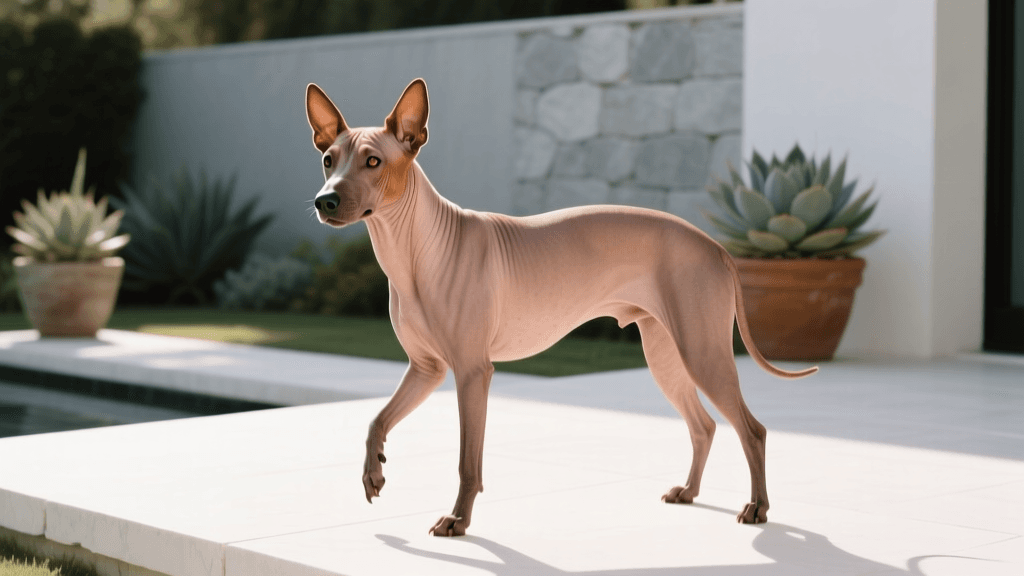
Xoloitzcuintli Breed Guide 2026: Care, Costs and Tips
Discover everything about the Xoloitzcuintli in 2026. Learn about Mexican Hairless dog skincare, temperature control, costs, and dental health.
The Ancient Xoloitzcuintli: A 2026 Overview
The Xoloitzcuintli (pronounced show-low-eats-QUEEN-tlee), often simply called the Xolo or Mexican Hairless Dog, is one of the world's oldest and rarest breeds. With a history spanning over 3,000 years, these dogs were revered by the Aztecs, Toltecs, and Mayans as spiritual guides and healers. Today, in 2026, the Xolo is experiencing a renaissance among exotic breed enthusiasts who appreciate their striking appearance, deep loyalty, and unique care requirements. According to the American Kennel Club, the breed remains a rare sight in dog parks, but their devoted following continues to grow as more owners seek out ancient, primitive breeds.
Getting a Xolo is not like getting a standard Golden Retriever or Labrador. Their lack of a protective coat (in the hairless variety) and unique genetic traits mean they require a highly specialized approach to daily care, veterinary medicine, and environmental management. This comprehensive 2026 guide will walk you through everything you need to know before bringing this magnificent international breed into your home.
Hairless vs. Coated: Understanding the Varieties
One of the most common misconceptions about the Xoloitzcuintli is that they are all hairless. In reality, the breed standard recognizes two distinct varieties: the Hairless and the Coated. Both can be born in the same litter, and both are essential to the breed's genetic health. The hairless trait is a dominant gene, while the coated trait is recessive.
| Feature | Hairless Xolo | Coated Xolo |
|---|---|---|
| Coat Type | Bare skin, may have tufts on head and tail | Short, flat, dense coat covering the body |
| Grooming Needs | Weekly baths, daily skincare, sunscreen | Occasional brushing, standard bathing |
| Temperature Tolerance | Low; requires sweaters and climate control | Moderate; handles mild weather better |
| Dental Profile | Often missing premolars and canines | Full set of teeth expected |
| Allergen Profile | Lower dander, but skin oils can trigger allergies | Standard dog dander and shedding |
When selecting a puppy in 2026, reputable breeders will educate you on the specific needs of the variety you choose. The United Kennel Club emphasizes that both varieties must be judged equally in the show ring, preserving the genetic diversity of this ancient lineage.
2026 Cost Breakdown: Budgeting for a Xolo
Because the Xoloitzcuintli is a rare international breed, acquiring one requires a significant financial investment. Importing a puppy from a specialized breeder in Mexico or waiting on a domestic waitlist can drive up initial costs. Here is a realistic budget for getting a Xolo in 2026:
- Puppy Purchase Price: $3,500 to $6,500. Show-quality or imported lineages can exceed $8,000.
- Initial Veterinary & Genetic Testing: $400 to $600. Includes baseline bloodwork, dermatological checks, and orthopedic screenings.
- Specialized Skincare & Apparel: $300 to $500. Includes dog-safe sunscreens, ceramide shampoos, winter coats, and cooling mats.
- First-Year Total Estimated Cost: $5,000 to $8,500.
Ongoing annual costs typically range from $1,500 to $2,500, factoring in high-quality food, routine veterinary care, and the continuous replacement of skincare products and seasonal apparel.
Essential Skincare and Sun Protection
The most critical aspect of owning a Hairless Xolo is maintaining their skin barrier. Without fur to protect them, their skin is directly exposed to UV rays, environmental pollutants, and temperature fluctuations. In 2026, veterinary dermatologists strongly advise against using human skincare products on Xolos, as human lotions often contain ingredients that are toxic when ingested during grooming.
Sunscreen is Non-Negotiable
Just as you would protect your own skin, you must protect your Xolo. According to AKC expert advice on canine sun protection, dogs with sparse or no hair are at a high risk for solar dermatitis and skin cancers. You must apply a dog-specific, zinc-oxide-free sunscreen before any outdoor activity. Zinc oxide is highly toxic to dogs if licked. Look for modern 2026 formulations from brands like Warren London or Epi-Pet, which offer broad-spectrum UV protection using safe, pet-approved titanium dioxide or natural botanical barriers.
Bathing and Acne Management
Hairless Xolos are prone to canine acne and comedones (blackheads). A weekly bath using a gentle, ceramide-based or salicylic acid dog shampoo helps keep pores clear. Between baths, wiping the dog down with an alcohol-free witch hazel pad can remove excess sebum and environmental dirt without stripping the skin's natural moisture barrier.
Temperature Regulation: Sweaters and Cooling Mats
Xolos lack the insulating undercoat that most dogs rely on to regulate body temperature. This makes them highly susceptible to both hypothermia in the winter and heatstroke in the summer.
- Winter Gear: Invest in high-quality, insulated dog coats. Brands like Hurtta and Kurgo offer 2026 models with fleece linings and waterproof exteriors that cover the dog's deep chest and neck. A well-fitted sweater is mandatory for any outdoor potty break when temperatures drop below 50°F (10°C).
- Summer Cooling: While they love to sunbathe, they can overheat rapidly. Provide indoor access to pressure-activated cooling mats, such as The Green Pet Shop Dog Cooling Mat, and ensure they have access to shaded, well-ventilated areas when outdoors.
- Indoor Environment: Many Xolo owners in 2026 utilize smart home thermostats to ensure their dog's environment never drops below 68°F (20°C) when left alone during colder months.
Dental Anomalies and Oral Health
One of the most fascinating aspects of the Hairless Xolo is the genetic link between their coat and their teeth. The FOXI3 gene mutation responsible for their hairlessness also affects dental development. It is entirely normal and expected for a Hairless Xolo to be missing several premolars, and sometimes even canines. The Coated variety, however, should have a full dentition.
Because missing teeth can create gaps where food accumulates, and because the jaw structure can sometimes be slightly altered, proactive dental care is vital. Daily brushing with an enzymatic dog toothpaste is required. Additionally, incorporating veterinary-approved dental chews and water additives into their 2026 daily routine will help prevent the early onset of periodontal disease, which small-to-medium breeds are particularly prone to.
Temperament, Training, and Socialization
The Xoloitzcuintli is a primitive breed, meaning their instincts are deeply ingrained and less diluted by centuries of specialized working breeding. They are intensely loyal to their families, often acting as 'velcro dogs' who follow their owners from room to room. However, they are notoriously aloof and suspicious of strangers. They make excellent watchdogs, as they will alert you to any unusual sounds, but they are not typically aggressive.
Training a Xolo requires patience, consistency, and positive reinforcement. They are highly intelligent but possess an independent streak. Harsh corrections will cause a Xolo to shut down and become fearful. Early and extensive socialization is critical. Expose your Xolo puppy to diverse environments, surfaces, sounds, and friendly strangers during their crucial 8-to-16-week developmental window to prevent them from becoming overly timid or reactive.
Furthermore, Xolos have a high prey drive. They will chase squirrels, rabbits, and even neighborhood cats. A securely fenced yard (at least 6 feet high, as they are athletic jumpers) and a commitment to leash walking are absolute necessities.
Is the Xoloitzcuintli Right for Your Home?
Before committing to this exotic international breed, honestly assess your lifestyle against the Xolo's specific needs. The Xolo is an ideal companion if you:
- Have the time and budget for specialized skincare, sunscreen application, and custom apparel.
- Are home often or work from home, as Xolos suffer from separation anxiety and crave deep pack bonding.
- Enjoy a quiet, clean home environment (they are fastidious groomers and lack the 'doggy odor' of coated breeds).
- Are committed to positive, reward-based training and early socialization.
Conversely, the Xolo may not be the right fit if you want a highly outgoing dog that loves meeting every stranger at a bustling outdoor cafe, or if you live in an extreme climate and are unwilling to manage their temperature regulation actively. Bringing a Xoloitzcuintli into your life is a profound commitment to preserving an ancient lineage, but for the right owner, the reward is a deeply devoted, fascinating, and beautiful companion for life.
priya-sutaria
All our authors care for dogs every day — read more of their work on the authors page.