Winter Recall Training: Snow Boundaries and Cold Weather Obedience
Master winter recall and snow boundary training. Learn cold weather obedience tips, gear recommendations, and safety protocols for your dog.
The Unique Challenges of Winter Dog Training
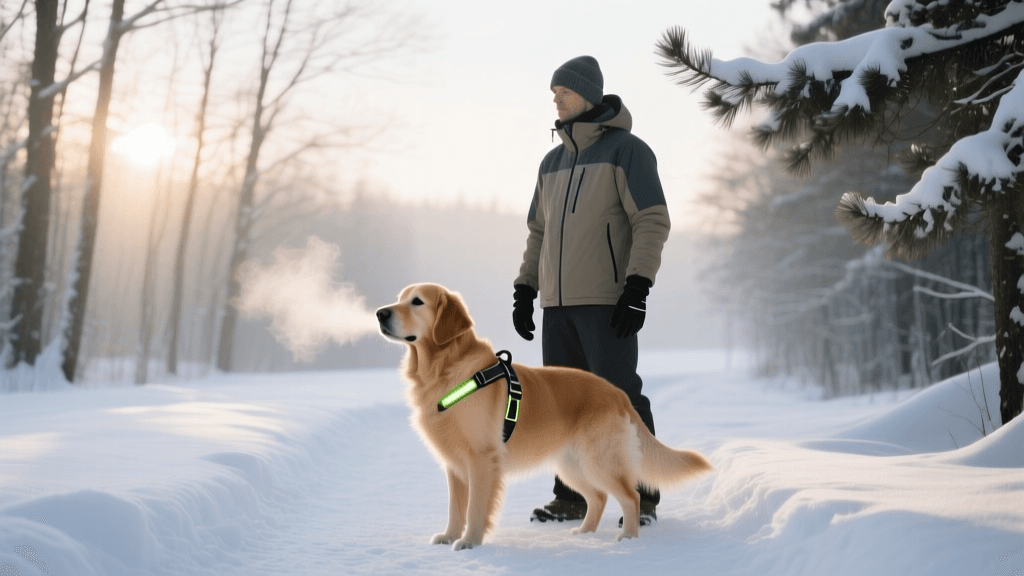
Winter brings a magical transformation to the outdoors, turning familiar parks, backyards, and hiking trails into snowy wonderlands. For dedicated dog owners, this seasonal shift presents unique opportunities and distinct challenges for obedience training. While the snow provides an excellent canvas for burning off your dog's energy and engaging in seasonal activities, it also fundamentally alters the environment. Snow masks familiar scents, obscures visual landmarks, and introduces hazardous conditions like black ice and toxic de-icing salts. Adapting your training regimen to accommodate these seasonal changes is crucial for maintaining reliable obedience and ensuring your dog's physical safety. According to the ASPCA, cold weather can quickly become dangerous for pets if proper precautions and environmental awareness are not prioritized. This comprehensive guide will walk you through the nuances of winter recall training, establishing snow boundaries, and utilizing cold-weather gear to keep your training sessions productive, engaging, and safe.
Essential Cold Weather Gear for Training Sessions
To maintain focus during outdoor obedience sessions, your dog must be physically comfortable. A shivering dog or one with ice-clogged paws will not be receptive to learning new cues or reinforcing existing ones. Investing in specialized winter gear is not just about pampering your pet; it is a functional necessity for effective behavioral conditioning in freezing temperatures. Below is a comparison of essential winter training gear, including specific product recommendations, estimated costs, and their primary training benefits.
| Gear Type | Recommended Product | Estimated Cost | Primary Training Benefit |
|---|---|---|---|
| Insulated Harness | Ruffwear Overcoat Fuse | $89.95 | Provides core warmth without restricting shoulder movement during high-speed recall sprints. |
| Paw Protection | Musher's Secret Paw Wax | $18.00 | Prevents painful ice ball formation between toes, maintaining the dog's focus on the handler. |
| Training Whistle | Acme 211.5 Gundog Whistle | $12.00 | Produces a high-frequency pitch that cuts through heavy winter wind better than vocal cues. |
| Long Line | Biothane 30ft Training Lead | $35.00 | Waterproof material prevents the line from absorbing snow, freezing, and becoming stiff or heavy. |
| GPS Tracking Collar | Garmin Alpha 200 | $699.99 | Acts as an essential safety net for off-leash boundary training during sudden winter whiteouts. |
Step-by-Step Winter Recall Training
A reliable recall is the most critical safety cue your dog can learn, especially in winter when hidden hazards like thin ice or snow-covered roads pose severe risks. The American Kennel Club (AKC) emphasizes that recall training requires high-value rewards and progressive distraction proofing. Winter adds a massive layer of environmental distraction, requiring a strategic approach.
Phase 1: Re-establishing the Recall Cue Indoors
Before hitting the snow, you must refresh the recall cue in a low-distraction, climate-controlled environment. Winter training requires higher-value rewards than summer training because the environment is inherently more aversive. Swap out standard kibble or dry biscuits for high-value, aromatic treats like Stella & Chewy's freeze-dried raw beef liver or Ziwi Peak venison. The strong scent of these treats helps cut through the cold air, which naturally suppresses odor molecules. Practice the 'ping-pong' recall game between two family members in your living room, rewarding the dog heavily for touching their nose to the handler's hand. This builds the muscle memory and positive association required before introducing the cold.
Phase 2: Long-Line Training in the Snow
Once your dog is responding reliably indoors, transition to a snowy outdoor environment using a 30-foot Biothane long line. Biothane is critical here; traditional nylon or leather leashes absorb melting snow, freeze solid, and become impossible to handle with thick winter gloves. Begin in a small, familiar, and cleared area of your yard. Allow the dog to explore and sniff the snow, then use your Acme 211.5 whistle followed by your verbal recall cue. When the dog returns, reward them immediately at the collar to prevent them from darting off again. If the dog hesitates, use the long line to gently guide them back without pulling aggressively, which can cause slipping on icy patches.
Teaching Snow Boundaries and Hazard Avoidance
Snowbanks create natural but dangerous barriers. Dogs often view large snowdrifts as fun obstacles to climb or tunnel through, which can inadvertently lead them out of safe zones, onto frozen ponds, or into busy, salt-treated roadways. Teaching strict snow boundaries is a vital component of seasonal behavioral conditioning.
Establishing Visual Markers
Dogs rely heavily on visual cues. Since familiar fences and curbs are often buried under feet of snow, you must create artificial boundaries. Purchase 18-inch orange fiberglass snow stakes (typically $2 to $3 each at hardware stores) and line the perimeter of your designated safe play zone. During the first few weeks of the season, walk your dog on a leash along the inside of this perimeter. Every time they look at or move toward the stakes, use a positive interrupter like 'Leave It' and reward them heavily for turning their attention back to you. Over time, these brightly colored stakes will serve as a visual 'invisible fence' that your dog learns to respect.
Hazard Avoidance and the 'Leave It' Command
Winter introduces severe chemical hazards. The U.S. Food and Drug Administration (FDA) warns that common ice-melting salts and antifreeze are highly toxic to dogs if ingested. Your 'Leave It' command must be bulletproof. Practice by placing a small, harmless pile of coarse rock salt on the ground during a training session. Command 'Leave It' as the dog approaches. Reward them with a high-value treat from your hand when they back away. This conditions the dog to associate the sight and smell of de-icing chemicals with the cue to avoid them and look to you for a better reward, potentially saving their life during off-leash winter hikes.
Session Timing and Temperature Safety Protocols
Effective training requires a dog that is physically capable of focusing. Cold stress severely diminishes a dog's cognitive function and willingness to work. You must strictly adhere to seasonal timing and temperature protocols to ensure your training remains a positive experience.
- Above 32°F (0°C): Standard training sessions of 20 to 30 minutes are generally safe for most healthy, double-coated breeds. Monitor for signs of fatigue or paw pad sensitivity.
- Between 20°F and 32°F (-6°C to 0°C): Limit intense outdoor obedience sessions to a maximum of 15 minutes. Utilize the Ruffwear Overcoat Fuse harness for short-haired or single-coated breeds like Greyhounds or Boxers. Focus on high-intensity, fast-paced recall drills rather than stationary 'stay' commands, which allow the dog's core temperature to drop.
- Below 20°F (-6°C): Outdoor training should be restricted to 5 to 10 minutes solely for essential bathroom breaks and quick recall refreshers. Move all complex behavioral conditioning, trick teaching, and impulse control exercises indoors. Use hallways and living rooms to practice scent work, indoor agility, and boundary training using furniture as markers.
Always perform a thorough paw inspection immediately after every winter training session. Wipe your dog's paws with a warm, damp cloth to remove any residual snow, ice, or toxic road salts, and apply a restorative paw balm to prevent cracking and bleeding.
Conclusion
Winter dog training requires a shift in perspective, prioritizing safety, specialized gear, and environmental awareness over sheer duration. By understanding the unique challenges that snow and cold present, you can adapt your obedience protocols to maintain a sharp, reliable recall and strict boundary awareness. Utilizing tools like Biothane long lines, high-value aromatic treats, and visual snow stakes ensures that your dog remains engaged and safe, regardless of the weather. Remember that consistency and positive reinforcement are the bedrocks of behavioral conditioning. By respecting temperature limits and investing in the right cold-weather equipment, you can transform the snowy months into a highly rewarding season of growth, trust, and advanced obedience for you and your canine companion.
marcus-aldridge
All our authors care for dogs every day — read more of their work on the authors page.