Winter Recall Training: Mastering Obedience in Snow
Master winter recall training with your dog. Learn actionable snow obedience techniques, essential cold-weather gear, and behavioral conditioning tips for safe walks.
Why Winter Changes Canine Obedience
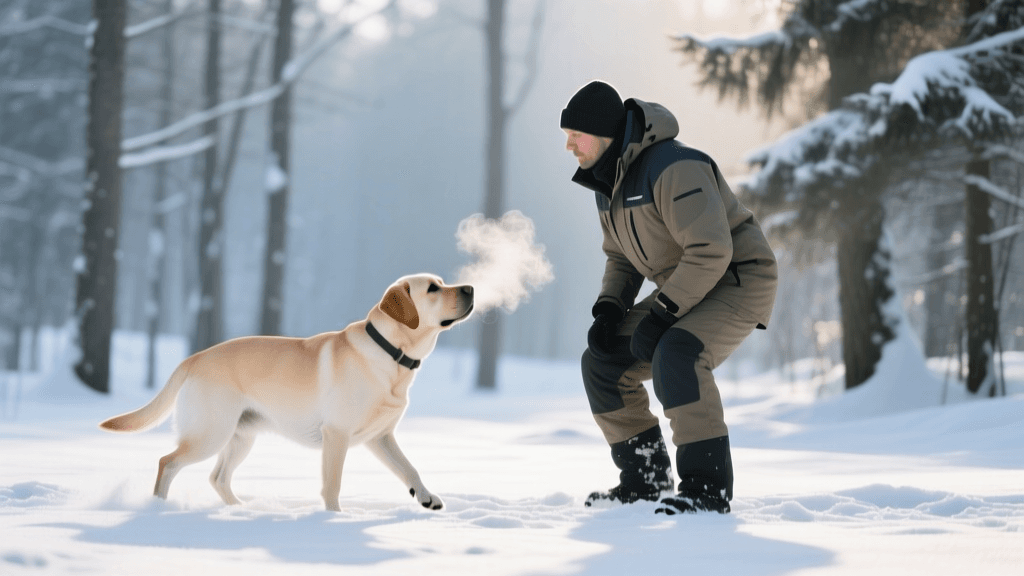
Winter brings a magical transformation to the landscape, turning familiar parks and trails into pristine, white wonderlands. For dog owners, this seasonal shift presents a unique set of challenges and opportunities for behavioral conditioning. While your dog may have a rock-solid recall in the mild days of autumn, the arrival of snow and freezing temperatures can drastically alter their responsiveness. Snow masks scents, changes the acoustic environment, and introduces physical discomfort that can override months of obedience training. Mastering winter recall training is not just about maintaining control; it is a critical safety measure to prevent your dog from wandering onto thin ice, getting lost in a whiteout, or suffering from cold-weather injuries. In this comprehensive guide, we will explore the science behind winter obedience, outline a structured 4-week snow recall conditioning plan, and recommend specific gear to keep your canine companion focused, comfortable, and safe when the temperature drops.
The Science of Scent and Snow
To effectively train your dog in snowy conditions, you must first understand how winter alters their sensory experience and behavioral drives. First, snow acts as a massive acoustic dampener. The ambient noise of a busy park is muted, which might seem beneficial, but it also means your voice does not carry in the same way, and the crunching of snow underfoot can distract your dog. Second, snow completely disrupts the olfactory landscape. According to the American Kennel Club (AKC), cold weather and snow cover fundamentally change how scent molecules travel and settle, often trapping them or masking familiar trails. This can cause a dog to become hyper-focused on new smells or, conversely, lose their bearings entirely. Finally, the physical sensation of cold snow on unprotected paw pads can trigger an avoidance response. If a dog associates the outdoor environment with the stinging sensation of ice balls forming between their toes, their primary behavioral drive shifts from working with the handler to seeking shelter.
Essential Cold-Weather Training Gear
You cannot expect a dog to perform a flawless recall if they are shivering or in pain. Preparing your dog with the right seasonal gear is the foundational step of winter behavioral conditioning. Here is a breakdown of specific, actionable investments for your winter training kit:
- Paw Protection: Ice melt chemicals and sharp ice crusts can cause micro-lacerations on paw pads. Apply a high-quality paw wax like Musher's Secret Dog Paw Wax (approx. $15 for a 2 oz tin) 15 minutes before heading out. This creates a semi-permeable barrier against salt and prevents snow from clumping into painful ice balls. Alternatively, use insulated dog boots such as the Ruffwear Polar Trex ($105), ensuring you measure your dog's paws accurately while they are bearing weight.
- High-Visibility Insulated Coats: For short-haired or lean breeds (like Greyhounds, Boxers, or Pointers), maintaining core body temperature is vital for cognitive function. The Ruffwear Overcoat Fuse ($85) provides excellent core warmth and features a sturdy handle, which is invaluable for quickly securing your dog if they slip on ice.
- High-Value, Non-Freezing Treats: Standard kibble or dry biscuits become unappetizing and hard as rocks in sub-zero temperatures. Use high-moisture, high-fat rewards that remain pliable in the cold. Freeze-dried liver or commercial training pastes like Zuke's Z-Naturals or Kong Easy Treat Peanut Butter (approx. $8) squeezed directly into the dog's mouth keep reward delivery fast and engaging.
- Long-Line Tracking Leash: For safe off-leash simulation, use a 30-foot to 50-foot Biothane long line ($35-$50). Biothane is waterproof, does not absorb snow, and won't freeze stiff like nylon or cotton webbing.
The 4-Week Snow Recall Conditioning Plan
Building a reliable winter recall requires a systematic desensitization and proofing process. Do not jump straight into off-leash snow play; follow this four-week progression to build a robust behavioral chain.
Week 1: High-Value Rewards in Low-Distraction Snow
Begin in a familiar, enclosed area like your backyard immediately after a fresh snowfall. Keep your dog on a 15-foot Biothane long line. Practice the Come cue every 5 to 10 minutes. The moment your dog turns toward you, use a marker word (like Yes!) and reward with the high-value paste or liver. Keep sessions strictly limited to 10-15 minutes to prevent paw fatigue and core temperature drops. The ASPCA emphasizes that even acclimated dogs have strict limits on cold exposure, making short, high-intensity training sessions ideal.
Week 2: Adding Distance and Visual Barriers
Snow drifts and whiteouts create visual barriers. Move to a slightly larger, safe area. Have a training partner stand 30 feet away with your dog. Call your dog, but immediately step behind a snowbank or tree. This forces the dog to rely on their auditory recall and directional tracking rather than simply running to where they last saw you. Reward heavily when they navigate the barrier to find you.
Week 3: The Emergency Winter Recall Cue
Introduce a specialized, ultra-high-value cue exclusively for emergencies, such as a whistle or a unique word like Touchdown! Pair this cue with a jackpot reward (e.g., a whole roasted chicken or a favorite squeaky toy hidden in your jacket). Practice this only once per session. In winter, if a dog breaks through a fence and heads toward a frozen pond, standard recall may fail due to the high prey drive or panic; the emergency cue bypasses this through intense classical conditioning.
Week 4: Off-Leash Snow Proofing
Only attempt off-leash recall in designated, legally permitted, and thoroughly scouted areas where ice hazards have been ruled out. Use the Garmin eTrex 10 GPS ($100) or a dedicated dog tracker like the Fi Smart Dog Collar ($129 + subscription) to monitor your dog's exact location in dense, snowy woods. Practice recall from play—allow your dog to sniff a snowbank, call them, reward, and immediately release them back to play (Go sniff!). This teaches the dog that coming to you in the snow does not mean the fun winter exploration is over.
Comparison Chart: Standard Recall vs. Winter Recall
Understanding the adjustments required for seasonal care is crucial for setting realistic training goals. The following table outlines the key differences between standard fair-weather recall and specialized winter recall conditioning.
| Training Parameter | Standard Recall (Spring/Summer) | Winter Recall (Snow/Cold) |
|---|---|---|
| Primary Sensory Focus | Visual tracking and standard scent trails | Auditory cues (snow muffles sound, masks scent) |
| Reward Type | Dry kibble, standard biscuits, or toys | High-fat pastes, warm meats, non-freezing chews |
| Session Duration | 20 to 45 minutes | 10 to 15 minutes (to prevent frostbite/hypothermia) |
| Handler Equipment | Standard nylon leash, treat pouch | Biothane long-line, insulated gloves, GPS tracker |
| Environmental Hazards | Traffic, wildlife, toxic plants | Thin ice, toxic antifreeze, hidden debris under snow |
Troubleshooting Cold-Weather Behavioral Blocks
Even with meticulous preparation, you may encounter behavioral blocks during winter training. If your dog refuses to come when called in the snow, do not repeat the cue or punish them upon return. Instead, analyze the environmental factors. Is the snow too deep, causing them to post-hole and expend massive amounts of energy just to move? If so, stick to packed trails. Are their paws cold? Check for ice accumulation between the toes. The American Veterinary Medical Association (AVMA) warns that frostbite can set in quickly on extremities, causing a dog to freeze in place or limp. If your dog is shivering, their cognitive ability to process obedience cues is severely compromised; end the session immediately, bring them indoors, and warm them up gradually. Always prioritize your dog's physical comfort over training milestones.
Conclusion
Winter recall training is a vital intersection of obedience conditioning and seasonal care. By respecting the unique environmental challenges that snow and cold present, investing in proper protective gear, and utilizing high-value, weather-appropriate rewards, you can maintain a strong, reliable bond with your dog year-round. Remember that a safe winter walk begins with a dog who is physically comfortable and a handler who is prepared for the elements. Stick to the 4-week conditioning plan, keep your sessions short and positive, and enjoy the beautiful, quiet magic of the snowy season with your perfectly recalled companion.
jonas-cole
All our authors care for dogs every day — read more of their work on the authors page.