Winter Puppy Care: Cold Weather Safety and Indoor Activities
Discover essential winter puppy care tips, from cold weather safety limits and warming gear to engaging indoor activities for your growing pup.
Understanding Your Puppy's Cold Tolerance
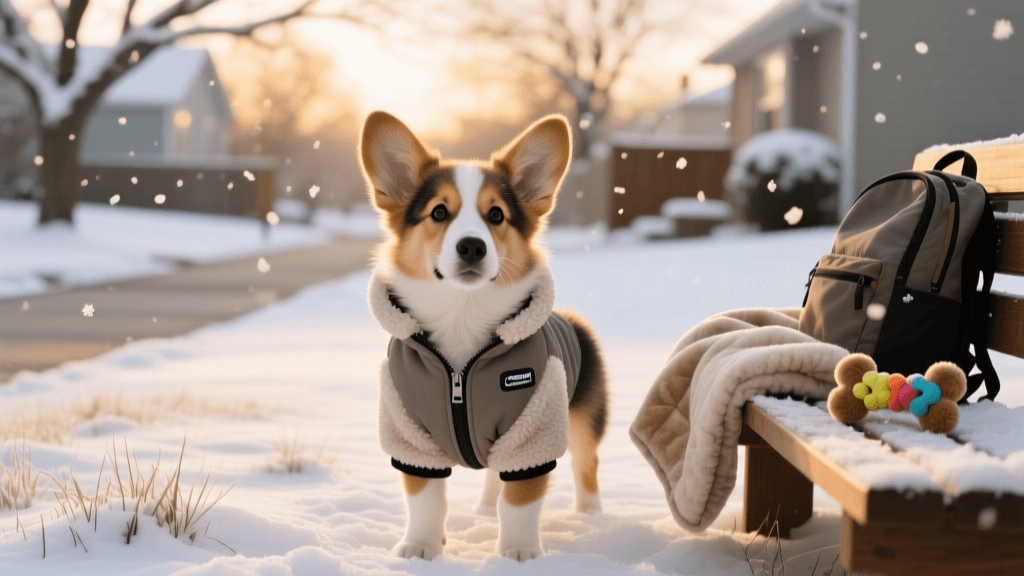
Bringing a new puppy home is an exhilarating experience, but navigating their first winter requires careful planning and a deep understanding of their physical limitations. Unlike adult dogs, puppies cannot regulate their body temperature efficiently. Their small bodies lose heat much faster than they can produce it, making them highly susceptible to hypothermia and frostbite. According to the American Kennel Club, a puppy's tolerance to cold is heavily dependent on their breed, coat type, age, and overall body fat percentage.
As a general rule of thumb, when outdoor temperatures drop below 32°F (0°C), small breed puppies, short-haired breeds, and very young pups should have their outdoor time strictly limited to potty breaks only. When temperatures plummet below 20°F (-6°C), all puppies, regardless of size or coat, are at a significant risk for cold-related injuries. Wind chill is another critical factor; a brisk 15 mph wind can make a 30°F day feel like 15°F, drastically reducing the safe time your puppy can spend outside. Always monitor your puppy for signs of cold stress, which include shivering, whining, lifting paws off the ground, or seeking shelter.
Essential Winter Gear for Puppies
Investing in high-quality winter gear is not just a fashion statement; it is a vital component of your puppy's health and safety regimen. Because puppies grow rapidly, you may need to size up their gear multiple times during their first year. Here is a comprehensive breakdown of the essential winter gear every puppy owner should consider, complete with estimated costs and top-rated product recommendations.
| Gear Type | Purpose | Estimated Cost | Recommended Product |
|---|---|---|---|
| Insulated Coat | Core warmth for small or short-haired breeds | $45 - $90 | Ruffwear Powder Hound |
| Paw Wax | Protects pads from ice, snow, and salt | $15 - $20 | Musher's Secret Dog Paw Wax |
| Dog Booties | Physical barrier against deep snow and ice | $20 - $40 | Pawz Rubber Dog Boots |
| Pet-Safe Ice Melt | Yard safety without toxic chemicals | $20 - $30 | Safe Paw Ice Melter |
| Reflective LED Collar | Visibility during short winter daylight hours | $15 - $25 | Illumiseen LED Dog Collar |
When introducing booties or a coat to your puppy, do so gradually indoors. Pair the gear with high-value treats like freeze-dried liver or small pieces of boiled chicken to create a positive association. Start with just a few minutes of wear time and gradually increase the duration before venturing out into the snow.
Navigating Dangerous Winter Hazards
Winter landscapes are beautiful, but they are riddled with hidden dangers for curious, teething puppies who love to sniff and lick everything in their path. The ASPCA strongly warns pet owners about the lethal dangers of automotive antifreeze. Antifreeze typically contains ethylene glycol, a highly toxic chemical that has a sweet taste incredibly appealing to dogs. Even a few licks from a puddle in a driveway can cause acute, irreversible kidney failure and death in a small puppy. Always clean up spills immediately and opt for pet-safe antifreeze made from propylene glycol if you must use it around your home.
Another major hazard is traditional rock salt and chemical ice melts used on public sidewalks and driveways. Sodium chloride and calcium chloride can cause severe chemical burns on your puppy's delicate paw pads. Furthermore, if your puppy licks their paws after a walk, ingesting these chemicals can lead to gastrointestinal distress, vomiting, and drooling. To combat this, always use a pet-safe, urea-based ice melt on your own property. After every walk, wash your puppy's paws with a warm, damp washcloth or use pet-friendly grooming wipes to remove any residual salt, sand, or chemicals.
The Humane Society of the United States also advises checking under the hood of your car before starting the engine in the winter. Feral cats and neighborhood wildlife, as well as escaped pets, often seek refuge in the warm engine block. A quick tap on the hood can save a life.
Top 5 Indoor Activities to Burn Puppy Energy
When the weather is too severe for outdoor play, your puppy still needs an outlet for their boundless energy. A bored puppy is a destructive puppy, often resorting to chewing baseboards, digging into carpets, or developing nuisance barking habits. Mental stimulation is just as exhausting for a puppy as physical exercise. Here are five highly effective indoor activities to keep your pup engaged during the long winter months.
1. Snuffle Mat Foraging
A snuffle mat mimics the natural foraging behavior of dogs in the wild. By hiding your puppy's daily kibble ration deep within the fleece strips of the mat, you force them to use their nose to hunt for their meal. This slows down fast eaters and provides immense mental stimulation. You can purchase a high-quality snuffle mat for around $25 to $40, or easily craft one at home using a rubber sink mat and strips of old fleece blankets.
2. Interactive Puzzle Toys
Puzzle toys require your puppy to solve a problem to receive a reward. The classic Kong toy ($15 to $25) is a winter essential. Stuff it with a mixture of plain canned pumpkin (not pie filling), plain Greek yogurt, and kibble, then freeze it overnight. The frozen treat will soothe teething gums and keep your puppy occupied for up to 45 minutes while you work from home.
3. Indoor Hide and Seek
This game is excellent for reinforcing recall commands and burning energy. Have a family member hold your puppy in one room while you hide in another. Call your puppy's name enthusiastically. When they find you, reward them with a jackpot of treats and a fun game of tug. This builds a rock-solid recall that will be invaluable when you return to off-leash parks in the spring.
4. DIY Living Room Agility Course
You do not need expensive equipment to practice agility basics. Use a broomstick resting on two stacks of books for a jump, drape a blanket over two chairs to create a tunnel, and use a laundry basket as a 'place' target. Guide your puppy through the course using a lure (a treat held right at their nose). Keep sessions short—about 5 to 10 minutes—to prevent joint strain in growing puppies.
5. Scent Work and Find It Games
Canine scent work is a competitive sport that you can practice in your living room. Start by showing your puppy a smelly treat, then place it under one of three overturned plastic cups. Shuffle the cups and encourage your puppy to 'find it.' As they improve, hide treats in different rooms or inside cardboard boxes to increase the difficulty.
Winter Nutrition, Hydration, and Skin Care
The dry, artificial heat inside our homes during the winter months can wreak havoc on a puppy's developing skin and coat. Just like humans, puppies can suffer from dry, flaky skin and itchy dander. To combat this, consider running a cool-mist humidifier in the rooms where your puppy spends the most time. Additionally, consult your veterinarian about adding an Omega-3 fatty acid supplement, such as wild-caught salmon oil, to their daily meals. Omega-3s promote a healthy lipid barrier in the skin, reducing inflammation and dryness.
Hydration is equally important in the winter. Dogs tend to drink less water when it is cold, which can lead to urinary tract issues. Ensure your puppy has access to multiple bowls of fresh, room-temperature water. If you notice your puppy's water intake dropping, try adding a splash of low-sodium, onion-free chicken broth to their water bowl to encourage drinking.
Finally, be mindful of your puppy's caloric intake. If your puppy is spending significantly less time exercising outdoors due to harsh weather, you may need to slightly reduce their daily food portions to prevent unhealthy winter weight gain. Conversely, if your puppy is highly active in the snow, they may require a slight caloric increase to maintain their core body temperature. Always monitor their body condition score and adjust their diet in consultation with your veterinarian.
Conclusion
Winter puppy care requires a proactive approach, blending outdoor safety precautions with engaging indoor enrichment. By understanding your puppy's cold tolerance, investing in the right protective gear, eliminating household hazards, and committing to daily mental stimulation, you can ensure your puppy thrives during their first winter. Embrace the cozy indoor bonding time, and remember that these cold weather months are a perfect opportunity to solidify your training and build a lifelong bond with your growing companion.
robin-maitland
All our authors care for dogs every day — read more of their work on the authors page.