Winter Puppy Care: Cold Weather Safety and Indoor Activities
Discover essential winter puppy care tips, from cold weather safety limits and paw protection to engaging indoor activities for your growing dog.
Understanding Your Puppy's Cold Tolerance
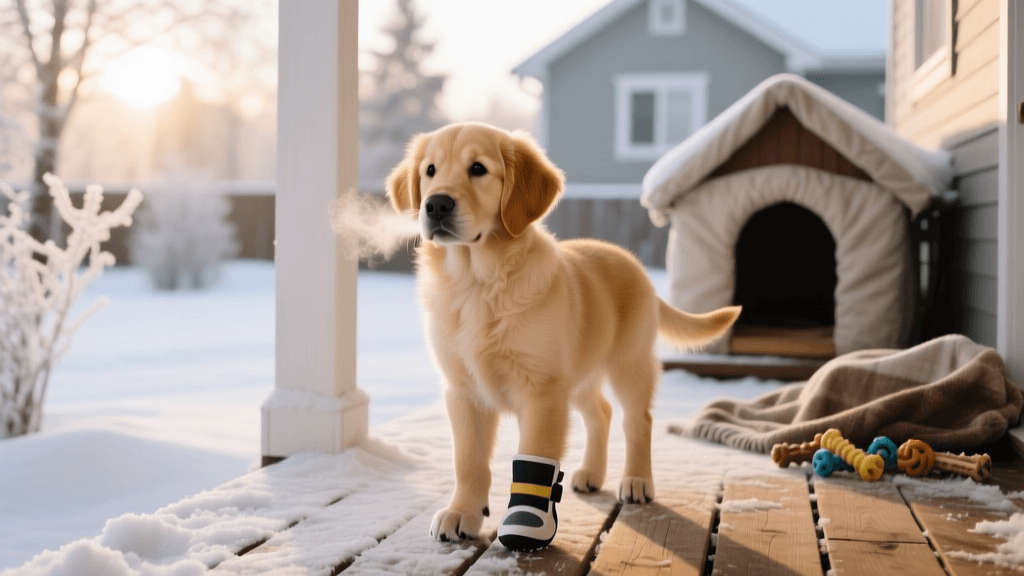
A puppy's first winter is a milestone filled with snowy sniffs, crisp air, and new seasonal experiences. However, unlike adult dogs, puppies lack the fully developed thermoregulation required to maintain their core body temperature in freezing conditions. According to the American Veterinary Medical Association (AVMA), young animals, along with senior pets and those with certain medical conditions, are particularly susceptible to cold-weather-related health issues like hypothermia and frostbite.
Hypothermia in puppies occurs when their core body temperature drops below 99°F. Signs to watch for include violent shivering, lethargy, weakness, shallow breathing, and pale or bluish gums. If you notice any of these symptoms, immediately bring your puppy indoors, wrap them in a warm blanket, and contact your veterinarian.
Essential Winter Gear for Puppies
Equipping your puppy with the right winter gear is not just a fashion statement; it is a vital health precaution. Here is a breakdown of essential items, measurements, and costs to prepare your puppy for the cold:
1. Insulated Dog Coats
Short-haired breeds like Boxers, Greyhounds, and Chihuahuas, as well as puppies of any breed under six months, need an insulated coat. A highly recommended option is the Kurgo North Country Coat (approximately $60). To ensure a proper fit, use a soft measuring tape to measure your puppy's back length (base of neck to base of tail) and chest girth (the widest part of the ribcage). Because puppies grow rapidly, check the fit every three weeks to ensure the coat isn't restricting their movement or breathing.
2. Paw Protection: Booties vs. Wax
Ice, snow, and chemical de-icers can cause micro-cuts and chemical burns on tender puppy paw pads. You have two main options:
- Dog Booties: The Ruffwear Polar Trex Booties (approx. $90 for a set of four) offer excellent traction and insulation. Acclimation tip: Put them on your puppy indoors for 5-minute intervals while feeding high-value treats like boiled chicken to build a positive association before venturing outside.
- Paw Wax: If your puppy refuses booties, use Musher's Secret Paw Protection Wax (approx. $15). Apply a generous layer to the pads and between the toes before walks to create a semi-permeable shield against ice balls and salt.
Temperature Guide: How Long Can Puppies Stay Outside?
Determining how long your puppy can safely stay outside depends on the temperature, wind chill, and your puppy's age and breed. The American Kennel Club (AKC) notes that while some cold-weather breeds like Huskies have thicker coats, puppies of these breeds still require careful monitoring because they have less body fat and muscle mass than adults.
| Temperature Range | Puppy Age / Size | Max Outdoor Time | Required Gear |
|---|---|---|---|
| 32°F to 20°F | Under 3 months / Small | 5-10 minutes | Coat, Paw Wax |
| 32°F to 20°F | 3-6 months / Medium-Large | 10-15 minutes | Paw Wax, Light Sweater |
| 20°F to 10°F | Under 6 months | 3-5 minutes (potty only) | Insulated Coat, Booties |
| Below 10°F | All Puppies | 1-2 minutes (potty only) | Full Winter Gear |
Pro Tip: Always factor in the wind chill. A 25°F day with 15 mph winds can feel like 12°F to a puppy, drastically reducing their safe outdoor time.
Winter Hazards: Antifreeze and Ice Melts
Winter introduces unique environmental toxins that are highly dangerous to curious, teething puppies who love to lick the ground.
The Antifreeze Threat
Ethylene glycol, the primary ingredient in standard automotive antifreeze, has a sweet taste that attracts dogs. However, even a few licks can cause fatal acute kidney failure. Always clean up garage spills immediately and store chemicals on high shelves. Consider switching to a propylene glycol-based antifreeze, which is significantly less toxic.
Pet-Safe Ice Melts
Traditional rock salt (sodium chloride) and calcium chloride ice melts can cause severe gastrointestinal distress and paw pad burns. The ASPCA strongly advises wiping your dog's paws with a warm, damp cloth after every winter walk to remove any residual chemicals. For your own driveway, invest in pet-safe ice melts like Safe Paw or Enviro-Blend Ice Melter (approx. $25 for a 10lb bucket), which use urea or magnesium chloride alternatives that are gentler on paws and the environment.
Engaging Indoor Activities for Winter Days
When the temperature drops below safe limits, your puppy still needs to burn off energy and meet their developmental milestones. Mental stimulation is just as tiring as physical exercise. Here are five actionable indoor activities tailored for puppies:
1. Snuffle Mat Foraging
Cost: $15 - $30
Activity: Hide your puppy's daily kibble ration or freeze-dried training treats inside the fleece strips of a snuffle mat. This mimics natural foraging behaviors, slows down fast eaters, and provides 15-20 minutes of intense mental focus.
2. The Frozen KONG Challenge
Cost: $15 (KONG Classic)
Activity: Plug the small hole of a KONG toy with a dab of xylitol-free peanut butter. Fill the toy with a mixture of soaked kibble, plain Greek yogurt, and mashed banana. Freeze for 4 hours. This provides excellent relief for teething puppies and keeps them occupied for up to 45 minutes.
3. Indoor Agility Course
Cost: Free (Household items)
Activity: Use broomsticks resting on stacks of books for jumps (keep it low to protect developing growth plates), and arrange dining chairs with a blanket draped over them to create a tunnel. Use high-value treats to lure your puppy through the course, building confidence and reinforcing basic obedience commands like 'come' and 'target'.
4. Hide and Seek
Cost: Free
Activity: Have a family member hold your puppy in one room while you hide in another. Call your puppy's name excitedly. When they find you, reward them with a jackpot of treats and enthusiastic praise. This reinforces recall, which is a critical safety command.
5. Scent Work Basics
Cost: $5 (Birch or Anise essential oil / Treats)
Activity: Place a smelly treat under one of three identical plastic cups. Shuffle them slowly and encourage your puppy to 'find it.' As they improve, hide the treats in different rooms. Scent work builds neural pathways and tires out a puppy faster than a 30-minute walk.
Conclusion
Navigating your puppy's first winter requires a balance of outdoor potty training and indoor enrichment. By investing in proper protective gear, understanding temperature thresholds, and swapping physical walks for mental puzzles, you can ensure your puppy stays safe, warm, and developmentally on track until the spring thaw arrives.
hannah-wickes
All our authors care for dogs every day — read more of their work on the authors page.