Bringing Home a Winter Puppy: Essential Gear and Cold-Weather Tips
Adopting a puppy in winter? Discover essential cold-weather gear, indoor potty training tips, and temperature guidelines to keep your new dog safe.
Welcoming a New Dog in the Dead of Winter
Adopting a dog is a life-changing experience filled with excitement, chewed-up slippers, and unconditional love. However, bringing home a new puppy or adult dog during the winter months introduces a unique set of challenges that first-time and veteran owners alike must navigate. The dropping temperatures, harsh winds, and hazardous winter chemicals mean that your first few weeks of dog ownership require specialized preparation. Unlike a summer adoption where you can immediately spend hours in the backyard or local park, a winter adoption demands a strategic approach to outdoor potty breaks, indoor enrichment, and cold-weather safety. According to the ASPCA's winter weather guidelines, pets are susceptible to frostbite and hypothermia just like humans, making it imperative to understand your new dog's cold-weather limits from day one. This comprehensive guide will walk you through the essential gear, home-proofing strategies, and indoor activities required to ensure your winter puppy adoption is a resounding success.
Understanding Temperature Thresholds for Your New Dog
Before you even step outside with your new companion, you must understand how cold weather affects canines. Puppies, senior dogs, and small or short-haired breeds lack the body mass and coat density to retain heat effectively. A puppy's inability to regulate its core body temperature means that what feels like a brisk, refreshing walk to you could be dangerously cold for them. The American Kennel Club (AKC) notes that once temperatures drop below freezing (32°F), owners must take proactive measures to protect their pets. Below is a general guide to help you gauge outdoor risk levels during those critical first weeks of potty training.
| Temperature Range | Risk Level | Action Required for Puppies & Small Breeds |
|---|---|---|
| 45°F to 32°F | Low to Moderate | Monitor for shivering; limit outdoor potty breaks to 5-10 minutes. |
| 31°F to 20°F | High | Winter coat and paw protection mandatory; keep outdoor time under 5 minutes. |
| 19°F to 10°F | Severe | Quick potty trips only (2-3 minutes); consider indoor potty alternatives. |
| Below 10°F | Extreme Danger | Do not take puppies outside; rely entirely on indoor potty systems. |
The Winter Puppy Shopping List: Essential Gear and Costs
To survive the winter season with a new dog, you need to invest in specialized gear that goes beyond the standard leash and collar. Budgeting for these items before your adoption day will save you from frantic late-night pet store runs.
Insulated Dog Coats
For short-haired breeds like Boxers, Greyhounds, or Chihuahuas, a high-quality insulated jacket is non-negotiable. The Kurgo North Country Coat (approx. $70-$90) is an excellent choice because it features a waterproof shell and a warm fleece lining, complete with a harness zipper hole so you don't have to remove the coat to clip in the leash. Measure your dog's neck, chest, and back length carefully before ordering, as a poorly fitted coat will restrict movement and cause chafing.
Paw Protection: Wax and Booties
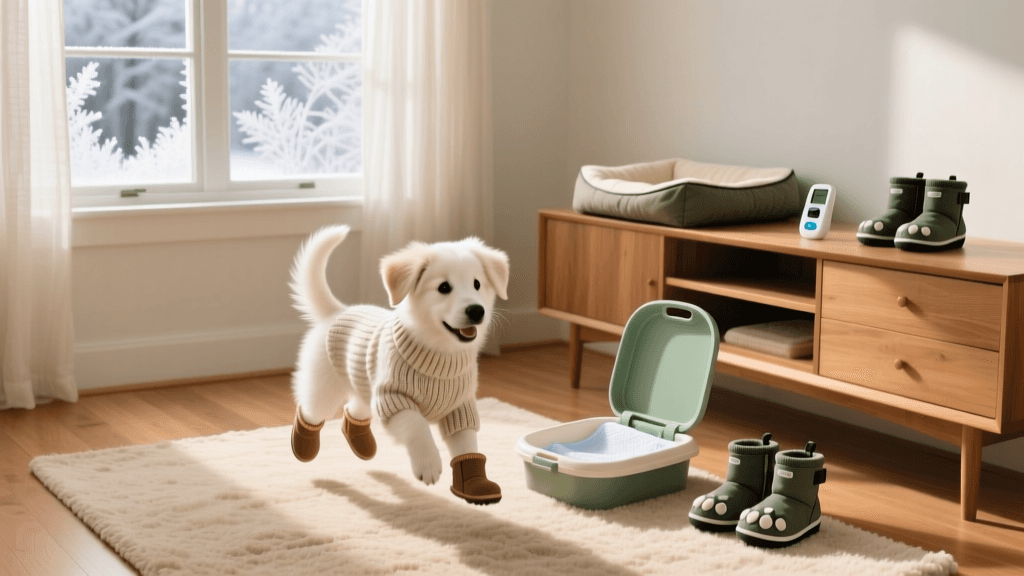
Ice melt salts and chemical de-icers are highly irritating to delicate paw pads and can be toxic if ingested during grooming. Musher's Secret Dog Paw Wax ($15-$20) creates a semi-permeable shield against salt and snowballs forming between the toes. For extreme conditions or dogs that refuse to walk on ice, invest in the Ruffwear Polar Trex Dog Boots ($90-$100). These feature insulated uppers and Vibram outsoles for traction on icy sidewalks. Introduce booties indoors on day one, using high-value treats like freeze-dried liver to create a positive association.
Indoor Potty Solutions
When the windchill drops below zero, expecting an 8-week-old puppy to hold it or brave the elements is a recipe for house-training regression. Real grass delivery services like Fresh Patch or DoggieLawn ($30-$60 per month) provide a hydroponically grown grass pad delivered to your door. Placing this on a balcony or in a designated indoor utility room mimics the outdoor environment, making the eventual transition to outdoor pottying much smoother when spring arrives.
Winter-Proofing Your Home for a New Arrival
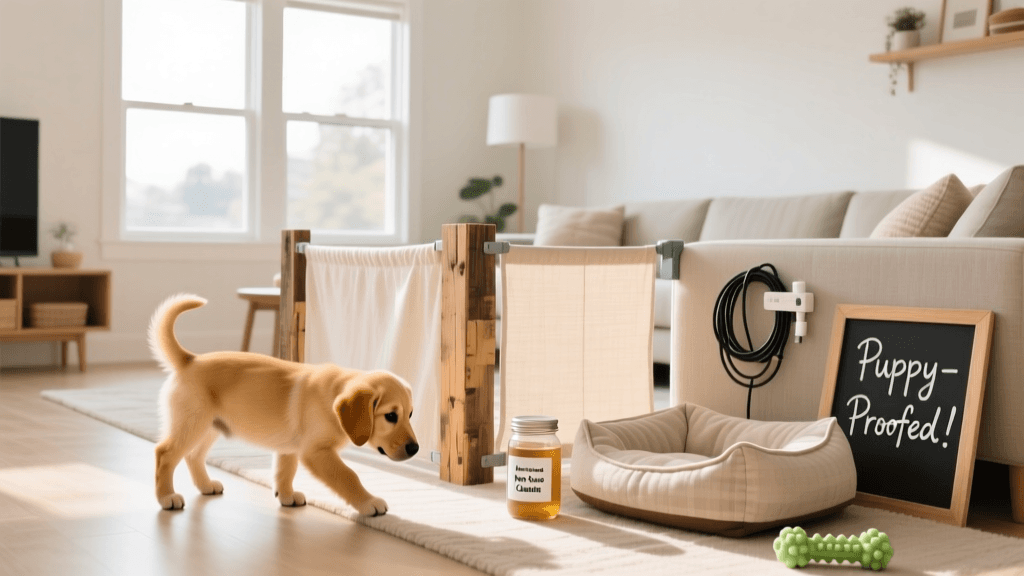
Puppies explore the world with their mouths, and winter homes are filled with unique, hidden hazards. Winter-proofing your home is just as critical as puppy-proofing for electrical cords.
- Antifreeze and De-icers: Ethylene glycol, the primary ingredient in most automotive antifreeze, has a sweet taste that is incredibly attractive to dogs. Even a few licks can cause fatal kidney failure. According to the Pet Poison Helpline, antifreeze ingestion is a leading cause of winter pet emergencies. Store all automotive fluids on high shelves in locked cabinets, and immediately wipe up any spills in the garage or driveway.
- Space Heaters and Fireplaces: Puppies seeking warmth may get too close to space heaters, risking burns or knocking them over and starting a fire. Always use heaters with automatic tip-over shutoff features and place them behind a sturdy puppy playpen or gate. Ensure your fireplace has a secure, heavy-duty screen to prevent embers from popping onto your puppy's bed.
- Humidifiers for Dry Skin: Central heating drastically reduces indoor humidity, leading to dry, flaky skin and itchy paws for your new dog. Running a cool-mist humidifier in the room where your puppy sleeps can maintain optimal moisture levels (around 40-50%) and prevent respiratory irritation.
Cold-Weather Potty Training Strategies
Potty training in the winter requires patience and tactical planning. Snow can mask familiar scents, confusing your dog and causing them to forget their training. To combat this, shovel a specific 4x4 foot area in your yard down to the grass or pavement. This designated 'potty zone' provides familiar footing and prevents your puppy from sinking into deep snow, which can cause panic and immediate squatting in the wrong spot. Always accompany your puppy outside, even in freezing rain. Standing at the door while they go out invites them to rush back inside before finishing their business. Use a consistent verbal cue like 'Go Potty' and reward immediately with a high-value treat the second they finish, before heading back into the warmth.
Indoor Socialization and Enrichment Activities
The primary socialization window for puppies closes around 14 to 16 weeks of age. If you adopt a puppy in December, you cannot rely on outdoor park visits to socialize them. Lack of socialization can lead to fear-based aggression and anxiety later in life. You must bring the world to your living room.
The Winter Socialization Checklist
- Surface Training: Lay out different textures on your living room floor—bubble wrap, aluminum foil, a metal baking sheet, and a fluffy blanket. Lure your puppy across these surfaces with treats to build confidence in uncertain footing, mimicking the weird sensations of winter ice and snow grates.
- Sound Desensitization: Winter brings howling winds, snowplows, and indoor heater clanks. Play YouTube playlists of 'city winter sounds' or 'snowplow noises' at a low volume while feeding your puppy their meals, gradually increasing the volume over several weeks.
- Invite the World In: Host 'puppy parties' by inviting friends of varying ages, heights, and appearances (wearing winter hats, heavy coats, and boots) to your home. Ask them to ignore the puppy until it approaches calmly, rewarding calm behavior with treats.
- Scent Work and Snuffle Mats: Mental stimulation tires a puppy out faster than physical exercise. A Snuffle Mat ($25-$40) forces your dog to use their nose to forage for kibble, burning mental energy and keeping them occupied during long, dark winter evenings when outdoor play is impossible.
Adjusting Diet and Veterinary Care
Finally, discuss your dog's winter caloric needs with your veterinarian during their first check-up. Dogs that spend significant time outdoors in the cold burn more calories to maintain their body heat. However, a puppy primarily confined to indoor potty pads and living room playpens may actually require fewer calories to prevent unhealthy weight gain. Furthermore, do not skip flea and tick prevention. Ticks can survive in microclimates like woodpiles or under decks, and fleas thrive in warm, humid indoor environments. By preparing your home, investing in the right cold-weather gear, and committing to indoor enrichment, your winter dog adoption will be a warm, joyful, and safe experience for your entire family.
hannah-wickes
All our authors care for dogs every day — read more of their work on the authors page.