DIY Puppy Prep: Homemade Essentials for Your First Dog
Discover budget-friendly DIY puppy-proofing tips and homemade essentials to prepare your home for a new dog. Save money while keeping your pup safe!
Introduction: Welcoming Your New Dog on a Budget
Bringing a new dog into your home is an unforgettable milestone filled with excitement, tail wags, and unconditional love. However, it is also a significant financial commitment. Between adoption fees, veterinary visits, high-quality kibble, and essential gear, the costs can quickly spiral out of control. According to the American Kennel Club (AKC), preparing your environment and purchasing initial supplies can easily consume a large portion of your first-year pet budget. Fortunately, you do not need to spend a fortune to provide a safe, enriching, and comfortable environment for your new furry family member.
By embracing a DIY and homemade approach, you can save hundreds of dollars while customizing your home to meet your dog's specific needs. From puppy-proofing hazardous areas to crafting engaging enrichment toys, homemade solutions are often just as effective—and sometimes even safer—than their expensive retail counterparts. In this comprehensive guide, we will explore practical, actionable DIY projects to help you prepare your home for your new dog.
DIY Puppy-Proofing on a Budget
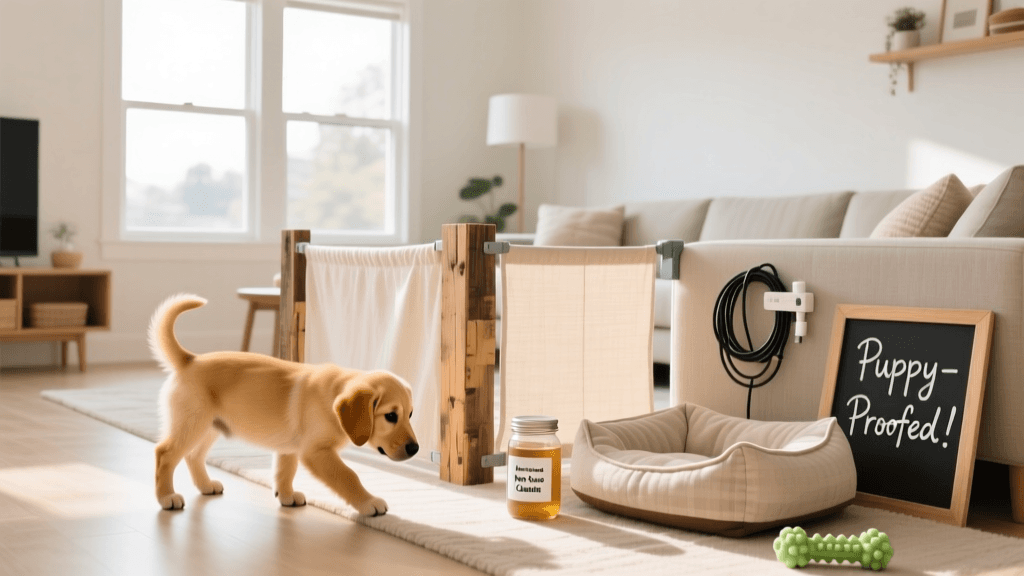
Puppies and newly adopted adult dogs explore the world primarily through their mouths and noses. This natural curiosity can lead them into dangerous situations if your home is not properly secured. The ASPCA emphasizes that proactive puppy-proofing is essential to prevent accidental poisonings, electrocutions, and intestinal blockages. Here is how you can secure your home using inexpensive household items.
1. Homemade PVC Cord Protectors
Exposed electrical cords are a severe hazard. While pet stores sell plastic cord concealers for upwards of $30, you can make a more durable version for a fraction of the cost using supplies from your local hardware store.
- Materials: 1/2-inch PVC pipe, a hacksaw or PVC cutter, sandpaper, and double-sided mounting tape.
- Instructions: Measure the length of the exposed cords you need to cover. Cut the PVC pipe to size. Carefully slice a single line down the entire length of the pipe so you can pry it open. Sand the cut edges to ensure there are no sharp plastic burrs that could scratch your dog's nose or paws. Slip the cords inside the hollow tube and use the mounting tape to secure the PVC pipe to the baseboard or wall.
2. Paracord Cabinet and Drawer Locks
Dogs can easily learn to nudge open lower cabinets, granting them access to toxic cleaning supplies or dangerous foods. Instead of buying complex baby-proofing latches, use heavy-duty paracord and carabiners.
- Materials: 550 paracord and two small metal carabiners per cabinet.
- Instructions: Loop a length of paracord around the handles of double-door cabinets and secure it with a tight square knot. For single drawers or pull-out trash cans, install a small adhesive hook on the side of the cabinet and use a carabiner to clip the drawer handle to the hook. This creates a flexible but secure barrier that is easy for human hands to unclip but impossible for paws to manipulate.
Homemade Comfort: Beds and Calming Zones
A new dog needs a designated safe space where they can retreat when feeling overwhelmed. Creating a cozy, familiar-smelling bed can significantly reduce the anxiety associated with transitioning to a new home.
The No-Sew Upcycled Fleece Dog Bed
Orthopedic dog beds are fantastic but often cost over $100. You can create a plush, washable, and highly comfortable bed using upcycled materials and zero sewing skills.
- Materials: Two yards of thick, anti-pill fleece fabric, fabric scissors, and old clean blankets or pillows for stuffing.
- Instructions: Lay the fleece flat and cut a 4-inch fringe along all four edges. Place your old blankets or pillows in the center of the fabric. Bring the opposite fringed edges together and tie them tightly using double knots. Continue tying the fringe all the way around until the bed is completely sealed. The result is a thick, cushioned bed that can be easily untied, washed, and restuffed whenever it gets dirty.
DIY Snuffle Mat for Mental Enrichment
Mental stimulation is just as tiring for a dog as physical exercise. A snuffle mat taps into a dog's natural foraging instincts, helping to calm anxious dogs and slow down fast eaters. Veterinary behaviorists frequently recommend enrichment tools to prevent destructive boredom behaviors.
- Materials: A 12x12 inch rubber sink mat with holes, and 1 to 2 yards of fleece fabric cut into 200 strips (each 10 inches long and 1 inch wide).
- Instructions: Take one fleece strip, push it through a hole in the rubber mat, and tie a loose knot. Repeat this process until every hole in the mat is filled with fleece strips. Fluff the strips outward to create a dense, grass-like surface. Hide your dog's dry kibble or small training treats deep within the fleece strips and let them sniff out their meal.
Safe and Engaging DIY Chew Toys
Chewing is a vital stress-reliever for dogs, especially during the teething phase or when adjusting to a new environment. However, retail chew toys are easily destroyed and constantly need replacing.
The Braided T-Shirt Tug Toy
- Materials: Three old, clean cotton t-shirts (avoid shirts with plastic decals or loose buttons).
- Instructions: Cut the shirts into continuous 2-inch wide loops. Group the loops into three thick bundles. Braid the bundles tightly together, pulling each strand firm as you go to create a dense, rope-like toy. Tie off both ends with heavy-duty knots. This toy is excellent for interactive tug-of-war, which helps build a bond between you and your new dog. Note: Always supervise your dog with fabric toys to ensure they do not ingest pieces of the cotton.
Cost Comparison: Store-Bought vs. Homemade Essentials
To truly understand the financial benefits of the DIY approach, review the cost breakdown below. By taking an afternoon to craft these essentials, you can redirect your budget toward high-quality food, veterinary care, and professional training.
| Essential Item | Average Retail Price | Estimated DIY Cost | Estimated Savings |
|---|---|---|---|
| Puppy Playpen / Gate | $80 - $150 | $15 (PVC & Zip Ties) | $65 - $135 |
| Orthopedic Dog Bed | $60 - $120 | $20 (Upcycled Blankets) | $40 - $100 |
| Snuffle Enrichment Mat | $30 - $50 | $8 (Fleece & Sink Mat) | $22 - $42 |
| Cord Protectors | $25 - $40 | $5 (PVC Tubing) | $20 - $35 |
| Interactive Chew Toys | $15 - $30 each | $0 (Old T-Shirts) | $15 - $30 |
Safety First: What NOT to DIY
While DIY solutions are fantastic for gear, enrichment, and proofing, there are specific areas where you should never cut corners. Experts at Preventive Vet warn against attempting homemade solutions for the following:
- Dog Food and Treats: Unless you are working directly with a veterinary nutritionist, do not attempt to DIY your dog's primary diet. Homemade meals often lack essential micronutrients like calcium, taurine, and specific vitamins, leading to severe long-term health issues.
- Chemical Deterrents: Avoid mixing your own bitter sprays or chemical repellents using household cleaners. Many common cleaning agents, including bleach and ammonia, are highly toxic to dogs and can cause severe respiratory or gastrointestinal damage if ingested or inhaled.
- Structural Barriers: If you are building wooden gates or pens, ensure the wood is untreated and unpainted. Pressure-treated lumber contains chemicals like arsenic or copper, which are poisonous if your dog decides to chew on the barrier.
Conclusion
Getting a new dog is a journey that requires patience, love, and preparation. By utilizing these DIY and homemade solutions, you can create a secure, stimulating, and welcoming environment without draining your bank account. From PVC cord protectors to no-sew fleece beds, these projects not only save you money but also allow you to invest time and care into your new companion's transition. Grab your scissors, measure twice, and enjoy the rewarding process of building a safe haven for your new best friend.
marcus-aldridge
All our authors care for dogs every day — read more of their work on the authors page.