Adapting Your Home and Routine for a Senior Dog
Learn how to adapt your home environment and daily routines to support your senior dog's comfort, mobility, and overall well-being in their golden years.
Sharing your life with a dog is a profound privilege, but as the years pass, that vibrant puppy who once bounded up the stairs will eventually transition into a distinguished senior. Watching your dog age can be an emotional experience, but it also presents a unique opportunity to deepen your bond by providing specialized care tailored to their evolving needs. The 'Life with Your Dog' journey requires flexibility, and adapting your home environment and daily routines is essential for maintaining your senior dog's comfort, mobility, and overall well-being.
Defining the Senior Life Stage
Before making changes, it is important to understand when a dog is actually considered a senior. According to the American Kennel Club (AKC), the timeline varies drastically by size and breed. Small breeds, such as Chihuahuas or Toy Poodles, often do not reach their senior years until they are 10 to 12 years old. Conversely, giant breeds like Great Danes or Saint Bernards may be considered seniors by the time they are just 5 or 6 years old. Medium and large breeds typically enter this life stage around 7 to 8 years of age. Recognizing these milestones allows you to proactively adjust their lifestyle before severe mobility or health issues arise.
Essential Home Modifications for Mobility
Aging joints, arthritis, and decreased muscle mass make navigating a standard human home challenging for older dogs. Implementing a few strategic modifications can drastically improve their quality of life.
Upgrading Bedding and Rest Areas
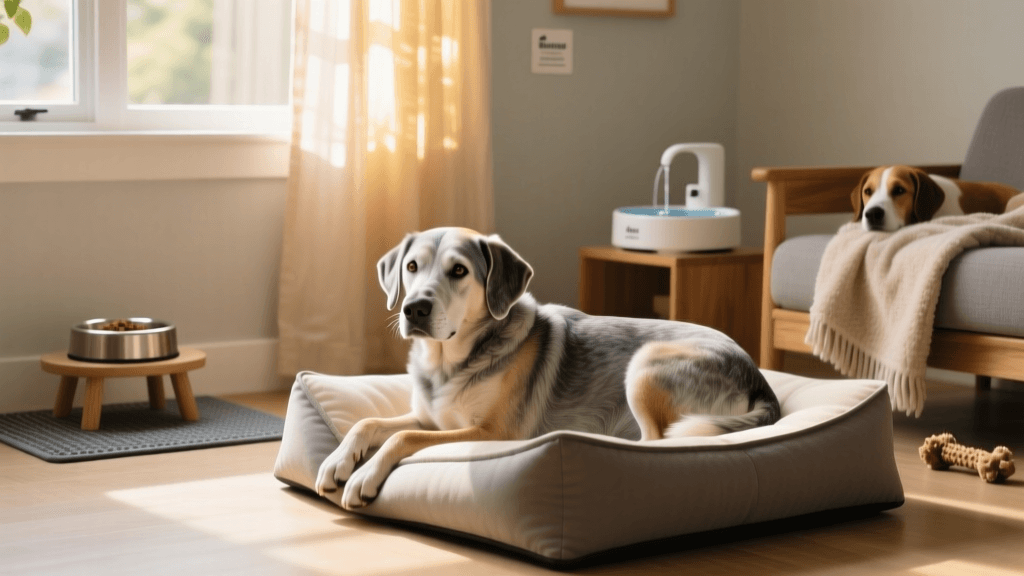
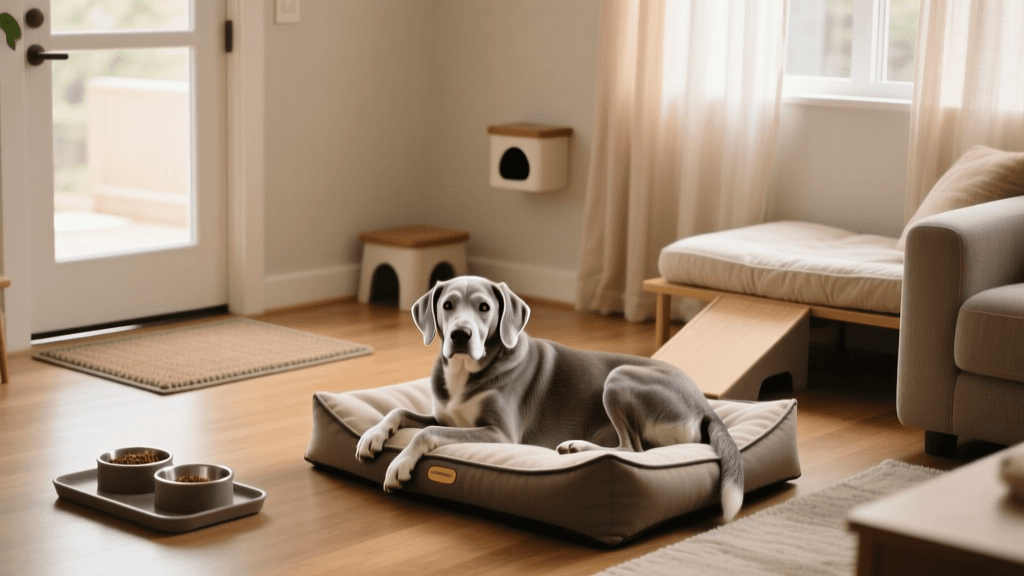
Standard dog beds often lack the necessary support for aging joints. Invest in a high-quality orthopedic bed featuring at least 4 inches of therapeutic memory foam. Brands like Big Barker or K&H Pet Products offer beds specifically designed to prevent the foam from flattening over time. For dogs with severe arthritis, consider a bed with a built-in, low-wattage heating pad or a microwaveable heat disk to soothe stiff muscles during cold weather. Place beds in draft-free areas that are close to the family's main living spaces so your dog does not feel isolated.
Improving Traction and Accessibility
Slippery hardwood or tile floors are a major hazard for senior dogs, potentially leading to hip injuries or spinal issues from splaying out. Cover high-traffic areas and pathways with non-slip rugs, yoga mats, or interlocking foam play mats. If your dog struggles to access furniture or the car, introduce pet ramps or stairs. Look for ramps with a gentle incline (around 18 to 20 degrees) and a high-traction surface like ribbed carpet. For stairs, ensure each step has a rise of no more than 4 to 5 inches to reduce joint strain.
Adjusting Lighting and Layout
Canine vision deteriorates with age, and conditions like nuclear sclerosis or cataracts can make navigating dimly lit rooms difficult. Install motion-sensor nightlights in hallways, near their sleeping area, and along the route to the backyard. Additionally, keep your home layout as consistent as possible; moving furniture around can cause confusion and anxiety for a dog with declining senses.
Adapting Your Daily Routine and Exercise
While your senior dog may no longer be able to run five miles alongside your bicycle, daily physical and mental stimulation remains critical for their health. The goal is to shift from high-intensity endurance activities to low-impact, joint-friendly exercises.
Low-Impact Physical Activity
Replace long, strenuous hikes with shorter, more frequent walks. Two or three 15-minute strolls spread throughout the day are much easier on aging joints than one hour-long trek. Allow your dog to set the pace, and incorporate 'sniffaris'—walks where the primary goal is to let your dog sniff their environment. Sniffing provides immense mental stimulation and tires them out just as effectively as physical exercise without the orthopedic stress. Swimming or using an underwater treadmill, often available at canine rehabilitation centers, is also an excellent zero-impact way to maintain muscle mass.
Mental Enrichment and Cognitive Health
Keep your dog's brain sharp by introducing gentle puzzle toys, such as the Kong Senior (which is made of softer rubber), or snuffle mats that encourage foraging behaviors. Teaching new, low-impact tricks like 'touch' or 'find it' helps maintain neural pathways and staves off cognitive decline.
Nutrition, Supplements, and Hydration
A senior dog's metabolism slows down, meaning they require fewer calories to prevent obesity, which exacerbates joint pain. Transition to a high-quality senior-specific dog food that features highly digestible proteins, increased fiber for gastrointestinal health, and reduced fat content.
Supplements play a vital role in this life stage. Glucosamine and chondroitin sulfate (found in products like Dasuquin or Cosequin) are industry standards for supporting cartilage health. Omega-3 fatty acids, derived from wild-caught fish oil, are powerful anti-inflammatories that can reduce joint swelling and improve coat quality. Always consult your veterinarian before introducing new supplements to ensure they do not interact with any prescribed medications.
Hydration is equally crucial, as kidney function naturally declines with age. If your dog is reluctant to drink from a standard bowl, invest in a pet water fountain. The moving water is more appealing and encourages higher fluid intake, supporting renal health.
Grooming and Hygiene for Aging Bodies
Senior dogs often lose the flexibility required to groom themselves properly, making your assistance vital.
- Nail Care: Overgrown nails can alter a dog's posture and cause severe joint pain. Trim or grind their nails every 2 to 3 weeks. A motorized pet nail grinder is often gentler and safer than clippers for brittle senior nails.
- Sanitary Trims: Keep the hair around their hindquarters clipped short to prevent urine scald and fecal matter from clinging to their coat.
- Dental Health: Periodontal disease is rampant in older dogs and can lead to systemic infections affecting the heart and kidneys. Brush their teeth daily with enzymatic dog toothpaste and schedule professional dental cleanings as recommended by your vet.
Veterinary Care and Preventative Health
The ASPCA strongly recommends that senior dogs visit the veterinarian at least twice a year. Because dogs age much faster than humans, a six-month interval is equivalent to a human getting a check-up every three to four years. These bi-annual visits should include a comprehensive senior blood panel, checking thyroid function, liver and kidney enzymes, and electrolyte balances. Early detection of conditions like hypothyroidism or chronic kidney disease allows for dietary and medical interventions that can add years to your dog's life.
Be highly observant of Canine Cognitive Dysfunction (CCD), often referred to as doggy dementia. The American Veterinary Medical Association (AVMA) notes that signs of CCD include disorientation, changes in sleep-wake cycles, house soiling, and decreased interaction with family members. If you notice these symptoms, your veterinarian can prescribe medications or specialized neuro-supportive diets to help manage the progression.
Senior Dog Care Comparison Checklist
Use the following table to compare the care requirements of an adult dog versus a senior dog to ensure you are meeting their changing needs.
| Care Aspect | Adult Dog (1-6 Years) | Senior Dog (7+ Years) |
|---|---|---|
| Vet Visits | Once annually | Bi-annually (every 6 months) |
| Exercise | High-intensity, long duration | Low-impact, shorter, frequent sessions |
| Bedding | Standard padded beds | Orthopedic memory foam (4+ inches) |
| Dietary Focus | Maintenance, high protein | Joint support, lower calorie, digestible |
| Home Environment | Standard access | Ramps, non-slip mats, nightlights |
Conclusion
Adapting to your dog's senior years requires patience, observation, and a willingness to change long-standing habits. By modifying your home for safety, adjusting their exercise and nutrition, and committing to proactive veterinary care, you can ensure that your dog's golden years are truly golden. The extra effort you put into their daily comfort is the ultimate way to say thank you for a lifetime of unconditional love and companionship.
priya-sutaria
All our authors care for dogs every day — read more of their work on the authors page.