Winter Paw Care and Safe Cold-Weather Exercise Limits
Learn how to protect your dog's paws from winter salt, recognize cold-weather exercise limits, and keep your pup safe during freezing temperatures.
Introduction to Winter Canine Care
As the temperature drops and snow begins to blanket the ground, dog owners face a unique set of seasonal challenges. While many dogs revel in the snow, bounding through drifts and catching snowballs, the harsh realities of winter weather pose significant health and wellbeing risks. From toxic ice melts to hidden frostbite hazards, the winter season requires a proactive approach to canine care. Understanding how to properly protect your dog's paws, manage their outdoor exercise limits, and support their joint health during the colder months is essential for maintaining their overall wellness.
The Hidden Dangers of Winter Paw Exposure
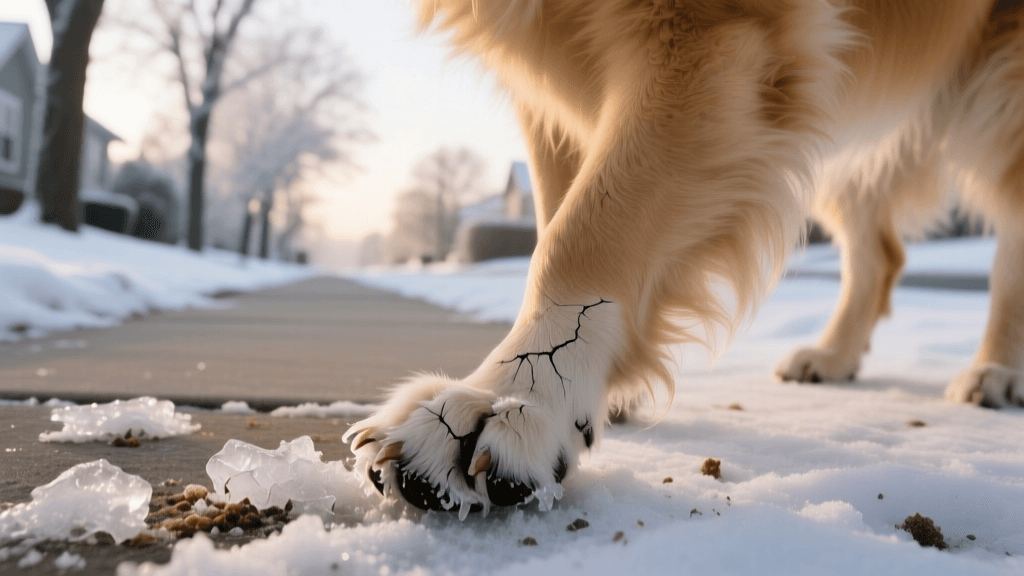
The pads of your dog's feet are remarkably resilient, designed to handle various terrains and temperatures. However, they are not invincible. Prolonged exposure to freezing temperatures, jagged ice, and chemical de-icers can lead to severe complications. According to the American Society for the Prevention of Cruelty to Animals (ASPCA), winter walks expose dogs to rock salt and chemical ice melts that can cause painful chemical burns, drying, and cracking of the paw pads. Furthermore, dogs naturally lick their paws after a walk, which can lead to the ingestion of these toxic substances, resulting in gastrointestinal distress or worse.
Pre-Walk Paw Protection Strategy
Before stepping out into the cold, establishing a protective barrier for your dog's paws is crucial. There are two primary methods for pre-walk protection:
- Paw Balms and Waxes: Products like Musher's Secret Dog Paw Wax (approximately $16.99 for a 2.3 oz tin) create a semi-permeable shield on the paw pads. Apply a generous, pea-sized amount to each paw pad and massage it in between the toes about 10 minutes before your walk. This prevents ice balls from forming between the toes and offers a barrier against salt.
- Winter Dog Booties: For deep snow or heavily salted urban sidewalks, booties are the gold standard. The Ruffwear Polar Trex Dog Boots (priced around $99.95 for a set of four) feature insulated uppers and Vibram outsoles for traction. Ensure you measure your dog's paw width accurately; a boot that is too tight will restrict circulation, while a loose boot will cause chafing.
Post-Walk Cleaning Routine
Immediately upon returning indoors, you must remove any accumulated salt, ice, or chemicals. Keep a dedicated 'winter wash station' by your front door. Use a shallow basin of warm water (between 95°F and 105°F) and a gentle, pet-safe cleanser like Earthbath Oatmeal & Aloe Shampoo ($14.99). Wash each paw thoroughly, paying special attention to the webbing between the toes. Dry the paws completely with a microfiber towel, and follow up with a restorative paw balm containing shea butter and vitamin E to replenish moisture lost to the dry winter air.
Understanding Ice Melt Toxicity
Not all ice melts are created equal, and knowing the difference can save your dog from a trip to the emergency veterinary clinic. Traditional rock salt (Sodium Chloride) is highly effective at melting ice but is notoriously harsh on paws and toxic if ingested. Symptoms of sodium chloride toxicity include vomiting, diarrhea, excessive drooling, and in severe cases, seizures.
Many municipalities and homeowners are switching to 'pet-safe' ice melts. These typically use Urea or Calcium Magnesium Acetate (CMA). While Urea is less irritating to the paws, it can still cause mild gastrointestinal upset if consumed in large quantities. CMA is generally the safest option for pets and the environment, though it is less effective at temperatures below 20°F (-6°C). Always advocate for pet-safe melts in your community and wipe your dog's paws regardless of the product used in your neighborhood.
Cold-Weather Exercise Limits by Breed Size
Determining how long your dog can safely stay outside in the cold depends on multiple factors, including their size, coat type, age, and overall health. The Tufts University Cummings School of Veterinary Medicine developed a widely respected cold-weather safety chart that outlines exercise limits based on ambient temperature and dog size. It is important to note that wind chill can make the temperature feel significantly colder than the thermometer reads, so always factor in the 'real feel' temperature.
| Temperature (°F / °C) | Small Dogs (Under 20 lbs) | Medium Dogs (20-50 lbs) | Large Dogs (50+ lbs) |
|---|---|---|---|
| 50°F (10°C) | Safe | Safe | Safe |
| 40°F (4°C) | 30 minutes | Safe | Safe |
| 30°F (-1°C) | 15 minutes | 30 minutes | 30 minutes |
| 20°F (-6°C) | 10 minutes | 15 minutes | 20 minutes |
| 10°F (-12°C) | Unsafe / Indoors | 10 minutes | 15 minutes |
| 0°F (-17°C) | Unsafe / Indoors | Unsafe / Indoors | 10 minutes |
Note: 'Safe' implies standard daily exercise duration. Senior dogs, puppies, and dogs with underlying health conditions should have their outdoor time reduced by at least 50% in temperatures below freezing.
Recognizing Hypothermia and Frostbite
Even within safe time limits, owners must monitor their dogs for signs of cold stress. Hypothermia occurs when a dog's core body temperature drops below 95°F (35°C). Early signs include violent shivering, lethargy, confusion, and a weak pulse. Frostbite, on the other hand, is localized tissue damage that typically affects the extremities: the ears, tail, scrotum, and paw pads. Frostbitten skin may appear pale, bluish-gray, or feel unusually cold and brittle to the touch. If you suspect either condition, bring your dog inside immediately, wrap them in warm (not hot) blankets, and contact your veterinarian or an emergency animal hospital right away. Never use direct heat like heating pads or hair dryers, as this can cause severe tissue damage.
Joint Support and Indoor Winter Activities
For dogs with osteoarthritis or age-related joint stiffness, cold weather can exacerbate pain and reduce mobility. The American Kennel Club (AKC) notes that drops in barometric pressure and colder temperatures can cause joint tissues to expand, leading to increased inflammation and discomfort. To combat this, consider supplementing your dog's diet with high-quality Omega-3 fatty acids. A therapeutic dose of EPA and DHA (typically around 300mg of combined EPA/DHA per 10 lbs of body weight) from a product like Nordic Naturals Omega-3 Pet can significantly reduce joint inflammation over time. Additionally, ensure your dog is sleeping on an orthopedic memory foam bed, such as those offered by Big Barker, to relieve pressure points during the night.
Enriching Indoor Alternatives
When the weather is too dangerous for outdoor walks, mental and physical stimulation must move indoors to prevent boredom and destructive behaviors. Here are several actionable indoor activities:
- Snuffle Mats and Foraging: Hide your dog's daily kibble ration inside a snuffle mat or scatter it around the house. Foraging engages their natural scavenging instincts and can burn as much mental energy as a long outdoor walk.
- Frozen KONG Enrichment: Stuff a KONG Classic with a mixture of plain canned pumpkin, a spoonful of xylitol-free peanut butter, and low-sodium chicken broth. Freeze it overnight. This provides a long-lasting, soothing activity that can keep a dog occupied for up to an hour.
- Canine Treadmill Training: For high-energy breeds that desperately need to run, investing in a dog-specific treadmill (like the DogPACER LF 3.1, priced around $650) allows for safe, controlled cardiovascular exercise regardless of the blizzard outside. Always use a harness and supervise treadmill sessions closely.
- Hide and Seek: Have your dog sit and stay in one room while you hide in another. Call their name once and reward them with high-value treats when they find you. This reinforces recall commands while providing excellent mental stimulation.
Conclusion
Winter care requires a delicate balance between allowing your dog to enjoy the season and protecting them from its inherent dangers. By implementing a strict paw care routine, adhering to temperature-based exercise limits, and providing robust indoor enrichment, you can ensure your canine companion remains healthy, happy, and active all winter long. Always consult with your primary care veterinarian to tailor these seasonal guidelines to your specific dog's breed, age, and health profile.
References
- American Society for the Prevention of Cruelty to Animals (ASPCA). Winter Safety Tips.
- American Kennel Club (AKC). Cold Weather Dog Care: How to Keep Your Dog Warm.
- Tufts University Cummings School of Veterinary Medicine. Cold Weather Safety Chart for Pets.
robin-maitland
All our authors care for dogs every day — read more of their work on the authors page.