Winter Joint Care and Cold Weather Mobility for Senior Dogs
Discover essential winter joint care tips for senior dogs. Learn how to manage cold weather mobility, choose the right supplements, and keep them comfortable.
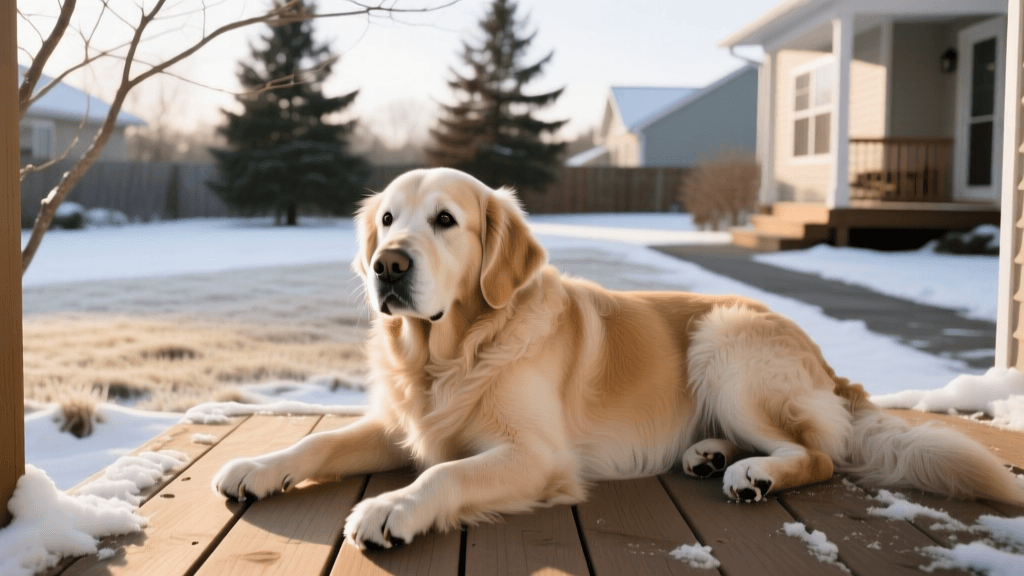
Why Cold Weather Exacerbates Canine Joint Pain
Winter brings picturesque snowscapes and cozy evenings by the fire, but for senior dogs, the drop in temperature often means a significant increase in joint pain and mobility issues. Osteoarthritis (OA) is a degenerative joint disease that affects an estimated 80% of dogs over the age of eight. While OA is a year-round condition, the winter months act as a powerful catalyst for stiffness, inflammation, and discomfort.
The science behind this seasonal flare-up is rooted in both atmospheric and physiological changes. First, drops in barometric pressure, which frequently precede winter storms, cause the tissues surrounding the joints to expand. This expansion puts increased pressure on already sensitive and inflamed joint capsules. Second, cold temperatures cause synovial fluid—the natural lubricant that cushions the joints—to thicken and become more viscous. This thickening restricts smooth joint movement, leading to the classic 'morning stiffness' that many older dogs experience during the colder months. Finally, dogs naturally tense their muscles to conserve heat and brace against the cold, which can lead to secondary muscle spasms and exacerbated joint strain.
Recognizing the Subtle Signs of Winter Joint Stiffness
Dogs are remarkably stoic animals, and they rarely vocalize chronic pain in ways that are obvious to their owners. Instead of whining or crying, a senior dog with winter-exacerbated arthritis will exhibit subtle behavioral and physical changes. Recognizing these signs early allows you to intervene before your dog's mobility severely declines.
- Reluctance to Move: Hesitation before jumping into the car, climbing stairs, or getting onto their favorite bed.
- Altered Gait: A 'bunny hopping' motion in the hind legs, a stiff-legged walk, or a noticeable limp that seems worse after a period of resting.
- Behavioral Changes: Increased irritability, withdrawal from family activities, or snapping when touched around the hips, spine, or shoulders.
- Over-grooming: Excessive, repetitive licking of the knees, hips, wrists, or lower back.
- Muscle Atrophy: Visible thinning of the thigh muscles due to decreased weight-bearing activity and a reluctance to exercise in the cold.
- Shivering and Vocalizing: Trembling that is not solely related to the ambient temperature, or low groans when attempting to stand up from a lying position.
Environmental Modifications for Indoor Comfort
Creating a warm, supportive indoor environment is the cornerstone of winter joint care. Hardwood, tile, and laminate floors become incredibly slippery in the winter, especially when a dog's paw pads are dry from indoor heating. Slipping and sliding force a dog to engage stabilizing muscles aggressively, which can lead to micro-tears and severe joint sprains.
To combat this, lay down non-slip rugs, interlocking foam mats, or inexpensive yoga mats in high-traffic areas and near your dog's bed and food bowls. For dogs that struggle to stand on slick surfaces, consider applying veterinary-grade toe grips or traction wax to their paws.
Sleeping arrangements also require a winter upgrade. Standard polyester-filled dog beds flatten out and offer zero joint support. Invest in a high-density memory foam orthopedic bed that is at least four inches thick. Place the bed in a draft-free zone, away from exterior doors and poorly insulated windows. For dogs that feel the cold deeply, a thermostatically controlled heated pet mat placed under half of their bedding allows them to seek warmth while giving them the option to move to a cooler spot if they overheat.
Senior Dog Winter Rule of Thumb: If you are standing outside and feel a chill seep into your own bones, your senior dog's joints are already feeling the strain. Keep outdoor bathroom breaks brief, purposeful, and close to home during freezing weather.
Safe Outdoor Winter Activities and Mobility Gear
While it is vital to limit prolonged exposure to freezing temperatures, completely halting your dog's exercise routine will lead to rapid muscle atrophy and increased joint stiffness. The goal in winter is to maintain mobility through shorter, more frequent walks during the warmest parts of the day (typically mid-morning to early afternoon).
Winter environments also present unique hazards. The American Veterinary Medical Association (AVMA) strongly warns pet owners about the dangers of chemical ice-melting agents, which can cause chemical burns on paw pads and severe gastrointestinal toxicity if licked off the paws. Always wipe your dog's paws with a warm, damp cloth immediately upon returning indoors, or use protective booties.
Equipping your senior dog with the right winter mobility gear can drastically improve their comfort and safety outdoors. Below is a comparison of essential winter gear for arthritic dogs:
| Winter Gear | Primary Benefit | Key Feature to Look For | Estimated Cost |
|---|---|---|---|
| Orthopedic Coat | Core warmth and joint insulation | Fleece lining and waterproof shell | $45 - $80 |
| Insulated Booties | Paw protection from ice and salt | Vibram soles and velcro closures | $30 - $60 |
| Traction Socks | Indoor grip on slippery floors | Silicone paw-print grips | $15 - $25 |
| Support Harness | Assistance with stairs and standing | Padded belly sling and sturdy handles | $40 - $90 |
Nutrition and Joint Supplements for the Winter Months
Dietary interventions play a massive role in managing seasonal joint inflammation. During the winter, dogs naturally burn fewer calories due to reduced outdoor activity, making weight management critical. Every extra pound of body weight places an exponential amount of stress on compromised joints. Monitor your dog's caloric intake closely and adjust their meals to prevent winter weight gain.
In addition to weight control, targeted joint supplements can help modulate inflammation and support cartilage health. The American Kennel Club (AKC) notes that while supplements cannot cure osteoarthritis, they can significantly slow its progression and improve daily comfort. Key supplements to discuss with your veterinarian include:
- Omega-3 Fatty Acids (EPA and DHA): Found in high-quality wild-caught fish oils, Omega-3s are potent natural anti-inflammatories that help reduce joint swelling and stiffness.
- Glucosamine and Chondroitin: These are the building blocks of cartilage and synovial fluid. They help maintain the structural integrity of the joint and improve lubrication.
- Green-Lipped Mussel (GLM): A nutrient-dense shellfish extract that contains a unique profile of omega-3s, amino acids, and antioxidants specifically shown to reduce pain and improve mobility in arthritic dogs.
- Curcumin (Turmeric Extract): When formulated with a bioavailability enhancer like piperine or in a liposomal delivery system, curcumin acts as a powerful natural COX-2 inhibitor, similar to how some NSAIDs work.
When to Consult Your Veterinarian
Environmental modifications and supplements are excellent foundational steps, but moderate to severe winter joint pain often requires veterinary pharmaceutical intervention. If your dog is shaking, refusing to eat, unable to stand unassisted, or showing signs of severe distress, it is time to visit the clinic.
Your veterinarian may prescribe Non-Steroidal Anti-Inflammatory Drugs (NSAIDs) such as Carprofen or Meloxicam to manage acute winter flare-ups. For long-term management, newer therapies like bedinvetmab (Librela), a monoclonal antibody that targets Nerve Growth Factor (NGF), have revolutionized canine OA care by blocking pain signals at the source without taxing the liver or kidneys. Additionally, injectable polysulfated glycosaminoglycans (like Adequan) can help inhibit the enzymes that break down cartilage.
Complementary therapies such as veterinary acupuncture, cold laser therapy, and indoor hydrotherapy (underwater treadmills) are also highly effective for maintaining muscle mass and joint flexibility when outdoor winter walks are no longer feasible. According to guidelines supported by the ASPCA, proactive communication with your vet before the first freeze sets in ensures your dog has a tailored, comprehensive pain management plan ready for the season.
Conclusion
Winter does not have to be a season of suffering for your senior dog. By understanding the physiological impact of cold weather on canine joints, modifying your home environment for warmth and traction, utilizing appropriate outdoor gear, and leveraging a combination of targeted supplements and veterinary medicine, you can keep your aging companion comfortable, mobile, and happy all winter long. Proactive care is the greatest gift you can give your senior dog as they navigate their golden years.
beth-carrasco
All our authors care for dogs every day — read more of their work on the authors page.