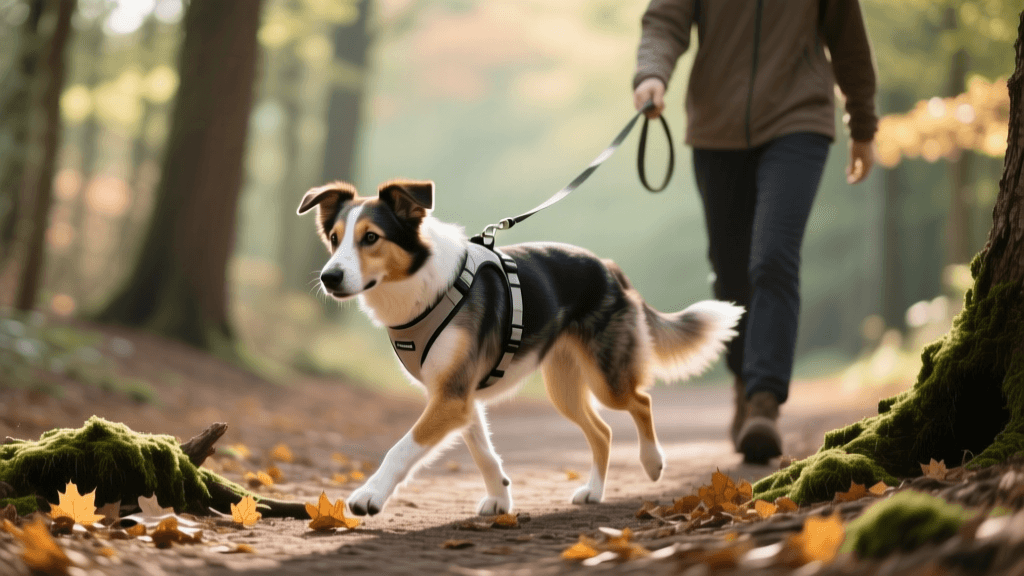
Winter Hiking With Dogs: Cold Weather Safety & Paw Care
Discover essential winter hiking safety tips for dogs. Learn about cold weather gear, paw protection, and temperature limits to keep your pup safe outdoors.
Embracing the Winter Trails With Your Dog
Winter transforms familiar hiking trails into breathtaking, snow-covered wonderlands, offering a unique and serene experience for you and your canine companion. However, sharing your life with a dog means taking responsibility for their safety in extreme conditions. The crisp air and picturesque landscapes can quickly become hazardous if your dog is not properly equipped for the cold. Preparing for a winter hike requires more than just throwing on a coat; it demands a comprehensive understanding of canine thermoregulation, specialized gear, and proactive paw care. In this guide, we will explore the practical aspects of winter hiking with your dog, ensuring that your cold-weather adventures remain safe, enjoyable, and memorable.
Understanding Cold Weather Limits for Dogs
Before setting out on a snowy expedition, it is crucial to recognize that dogs experience cold differently based on their breed, size, coat type, and age. According to the ASPCA, pets can be highly susceptible to frostbite and hypothermia when exposed to freezing temperatures for extended periods. While a Siberian Husky or an Alaskan Malamute might thrive in sub-zero conditions, a Greyhound, Chihuahua, or senior dog will quickly lose body heat. Understanding your dog's specific cold tolerance is the first step in planning a successful winter hike.
| Temperature Range | Small / Short-Haired Dogs | Medium / Large Double-Coated Dogs | Risk Level & Action |
|---|---|---|---|
| 45°F to 32°F | Uncomfortable, limit exposure | Safe for normal activity | Low Risk |
| 32°F to 20°F | High risk of hypothermia | Monitor closely, use jacket | Moderate Risk |
| 20°F to 10°F | Dangerous, avoid outdoor time | Limit hikes, use booties | High Risk |
| Below 10°F | Life-threatening | Short bathroom breaks only | Extreme Risk |
Essential Winter Gear for Trail Dogs
Insulated Dog Jackets
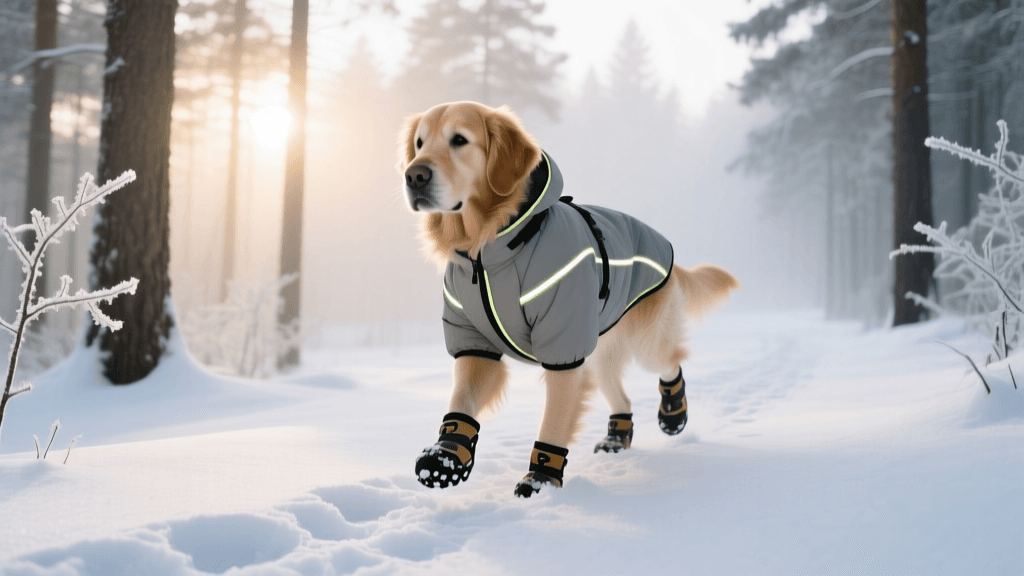
For dogs that lack a dense double coat, a high-quality winter jacket is non-negotiable. When selecting a jacket, look for features like waterproof outer shells, insulated linings, and full-coverage designs that protect the chest and belly. The Hurtta Expedition Parka (typically priced around $110 to $130) is a favorite among winter hikers due to its exceptional warmth and reflective elements. Alternatively, the Ruffwear Overcoat Fuse offers a more streamlined, harness-compatible design that costs approximately $100. Ensure the jacket fits snugly but allows for a full range of motion, particularly around the shoulders and hips.
Winter Dog Booties
The most vulnerable part of your dog’s body on a winter trail is their paws. Ice, snow, and toxic chemical de-icers can cause severe damage to paw pads. The American Kennel Club (AKC) strongly recommends wiping your dog's paws after every winter outing to remove salt and antifreeze residue, which can be fatal if ingested during grooming. For active hiking, protective booties are the best defense. The Ruffwear Polar Trex booties (around $90 for a set of four) provide excellent traction on ice and prevent snow from clumping between the toes—a painful condition known as ice balling.
Paw Protection: Balms vs. Booties
If your dog absolutely refuses to wear booties, you must rely on a heavy-duty paw wax. Musher’s Secret Dog Paw Wax (approximately $15 for a 2 oz tin) creates a semi-permeable barrier against ice and salt. Apply a generous layer before hitting the trail, and reapply every 45 to 60 minutes during long hikes. Keep in mind that while balms protect against chemical burns and minor abrasions, they do not offer the same thermal insulation or physical protection against sharp ice crusts as a well-fitted bootie. Always carry a microfiber towel in your pack to dry your dog's paws during rest breaks, as moisture trapped against the skin accelerates heat loss and increases the risk of frostbite.
Nutrition and Hydration on the Winter Trail
It is a common misconception that dogs do not need as much water in the winter. In reality, the dry winter air and the physical exertion of trudging through snow lead to rapid dehydration. Bring an insulated water bottle, such as the Kurgo Insulated Water Bottle, to prevent the water from freezing on the trail. Furthermore, dogs burn significantly more calories trying to maintain their core body temperature in the cold. For strenuous winter hikes lasting more than two hours, increase your dog’s daily caloric intake by 10% to 20%. Pack high-fat, high-protein trail snacks like freeze-dried salmon or specialized canine energy chews to keep their metabolism firing and their energy levels stable.
Acclimatization and Winter Trail Etiquette
Just as humans need time to adjust to high altitudes or extreme temperatures, dogs require a period of acclimatization to the cold. If your dog is used to lounging in a climate-controlled house, do not immediately embark on a rigorous five-mile snowshoeing expedition. Start with short, 15-minute walks in your snowy neighborhood to allow their metabolism and paw pads to adapt to the freezing surfaces. Gradually increase the duration and intensity of your outings over several weeks. Furthermore, practicing good winter trail etiquette is essential for multi-use paths. Keep your dog on a leash to prevent them from disturbing hibernating wildlife or breaking through fragile ice crusts near frozen water bodies. Always yield to cross-country skiers and snowshoers, as sudden movements by an excited dog can cause dangerous collisions on narrow, icy trails.
Building a Winter Canine Emergency Kit
No matter how well you plan, winter weather is unpredictable. The Humane Society of the United States advises all pet owners to have a contingency plan for extreme weather emergencies. When hiking in remote, snow-covered areas, your canine emergency kit should include a lightweight mylar space blanket to trap body heat in case of injury, a basic pet first-aid kit, extra paw wax, and a collapsible travel bowl. Additionally, always carry a fully charged GPS tracker attached to your dog's collar, as scent trails are easily masked by snow, making it harder for a lost dog to find its way back to you.
Never leave your dog unattended in a vehicle during winter. Cars act like refrigerators in the cold, holding in the freezing air and putting your dog at severe risk of hypothermia, even if the engine is running.
Conclusion
Sharing your life with a dog means adapting your routines to ensure their well-being across all seasons. Winter hiking offers a spectacular way to bond with your pet, provided you respect the elements and prepare accordingly. By investing in the right insulated gear, prioritizing paw care, monitoring temperature thresholds, and packing an emergency kit, you can confidently navigate the snowy trails. Listen to your dog’s cues; if they are shivering, lifting their paws, or acting lethargic, it is time to turn back. With the right precautions, your winter adventures will be safe, comfortable, and incredibly rewarding for both you and your furry best friend.
aaron-whyte
All our authors care for dogs every day — read more of their work on the authors page.