Winter Hiking With Dogs: Cold Weather Safety And Gear
Discover essential cold-weather safety tips, gear recommendations, and trail advice for winter hiking with your dog to keep them warm and protected.
Embracing the Winter Wonderland With Your Dog
Winter transforms familiar hiking trails into sparkling wonderlands, offering a serene and breathtaking experience for you and your canine companion. The crisp air, the quiet crunch of snow beneath your boots, and the sight of your dog joyfully bounding through fresh powder make cold-weather hiking an unforgettable seasonal activity. However, sharing your life with a dog means taking responsibility for their safety, and winter environments present a unique set of hazards that do not exist during the milder months of spring and autumn.
While some breeds seem practically built for the tundra, the reality is that most domestic dogs require careful preparation, specialized gear, and vigilant monitoring when the temperature drops. According to the American Society for the Prevention of Cruelty to Animals (ASPCA), cold weather can be just as dangerous to pets as extreme heat, leading to severe conditions like hypothermia and frostbite if proper precautions are not taken. In this comprehensive guide, we will explore everything you need to know about winter hiking with your dog, from selecting the right insulated gear to recognizing the subtle signs of cold-weather distress.
Understanding Your Dog's Cold Tolerance
Before setting out on a snowy trail, it is crucial to objectively assess your dog's natural tolerance to cold. A dog's ability to regulate body heat is influenced by several factors, including their coat type, body fat percentage, age, and overall health. Northern breeds like Siberian Huskies, Alaskan Malamutes, and Samoyeds possess dense double coats and specialized circulatory adaptations in their paws that allow them to thrive in sub-zero temperatures. Conversely, short-haired breeds like Greyhounds, Boxers, and Chihuahuas lack the insulating undercoat necessary to retain body heat and will become dangerously cold in a matter of minutes.
Furthermore, age and health play significant roles. Senior dogs, puppies, and dogs suffering from conditions like arthritis or diabetes have a much harder time regulating their core body temperature. The American Kennel Club (AKC) notes that dogs with chronic illnesses are particularly vulnerable to the cold, as their bodies expend extra energy simply trying to maintain basic physiological functions. Always consult your veterinarian before embarking on strenuous winter hikes if your dog falls into a vulnerable demographic.
Essential Winter Hiking Gear for Dogs
Equipping your dog with the right winter gear is not just about aesthetics; it is a critical safety measure. Investing in high-quality, purpose-built equipment can mean the difference between an enjoyable outing and a premature, dangerous retreat.
Insulated Dog Jackets
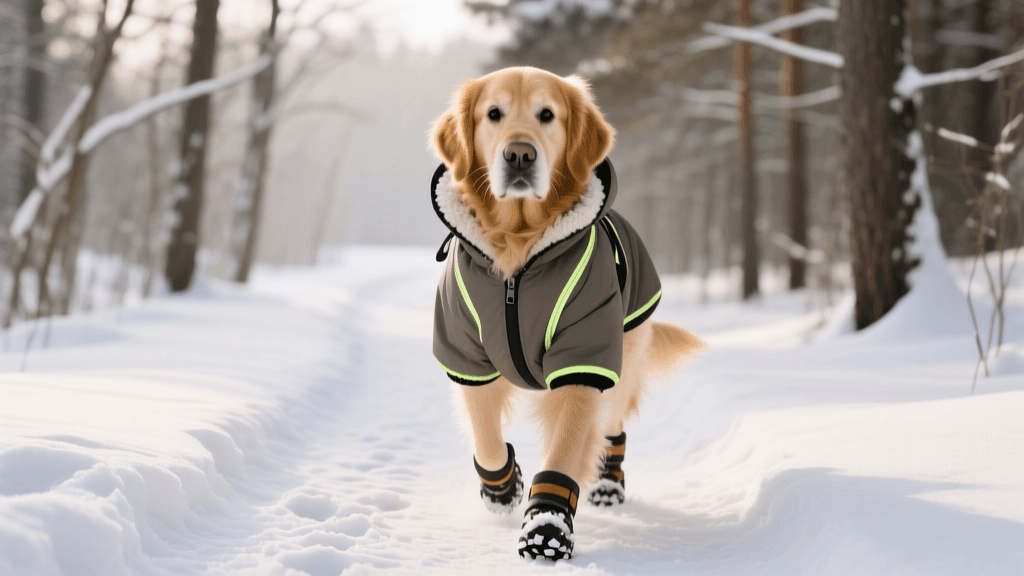
For dogs that lack a natural winter coat, a well-fitted insulated jacket is mandatory. Look for jackets that cover the core, neck, and upper thighs, as these areas house vital organs and large muscle groups. The Hurtta Expedition Parka (approx. $120) is a top-tier choice, featuring a heat-reflective foil lining and a high collar that protects the neck. Another excellent option is the Ruffwear Overcoat Fuse (approx. $110), which combines a water-resistant shell with a cozy fleece interior. Ensure the jacket allows for full range of motion in the shoulders and hips so your dog can navigate uneven, snowy terrain without restriction.
Paw Protection: Booties vs. Wax
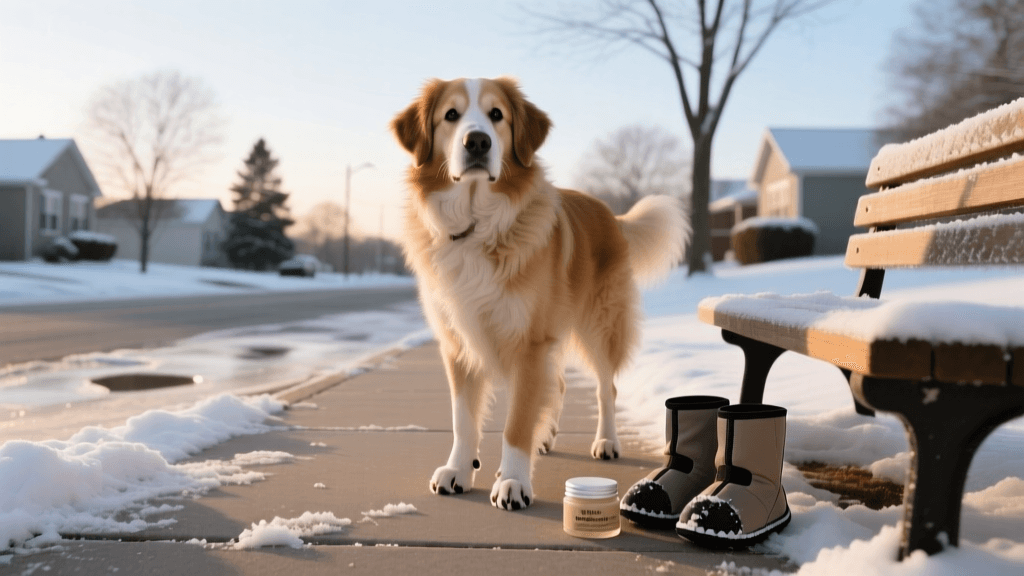
A dog's paw pads are remarkably tough, but they are not impervious to freezing temperatures, abrasive ice crusts, and toxic de-icing chemicals. For deep snow and long hikes, insulated dog boots like the Ruffwear Polar Trex (approx. $90) provide superior warmth and traction. These boots feature insulated uppers and Vibram outsoles designed specifically for winter grip. However, dogs rarely accept booties on the first try. You must acclimate your dog by having them wear the boots indoors for 5 to 10 minutes a day over a two-week period, rewarding them heavily with high-value treats.
If your dog absolutely refuses booties, or if you are hiking on cleared but salted trails, a heavy-duty paw wax like Musher's Secret (approx. $20) is a vital alternative. Made from food-grade waxes, it creates a semi-permeable shield that prevents snow from clumping into painful ice balls between the toe pads while offering a barrier against chemical irritants. Apply a generous layer before the hike and reapply every 45 minutes on the trail.
Visibility and Lighting
Winter days are notoriously short, and dusk can fall rapidly in forested areas or mountainous terrain. Because snow reduces contrast, a dark-coated dog can easily blend into the shadows of the tree line. Attach a waterproof LED collar light, such as the Nite Ize SpotLit (approx. $15), to your dog's harness. Opt for a red or green light, as these colors are highly visible against white snow without ruining your natural night vision.
Battling Ice, Snow, and De-Icing Salts
One of the most insidious threats to hiking dogs in winter is the rock salt (sodium chloride) and chemical ice melts used on roads and parking lots. These chemicals can cause severe contact dermatitis, chemical burns on the paw pads, and gastrointestinal toxicity if the dog licks their paws later. The American Veterinary Medical Association (AVMA) strongly advises wiping your dog's paws, belly, and legs with a damp microfiber towel immediately after any winter excursion to remove toxic residues. Keep a dedicated paw towel and a bottle of lukewarm water in your vehicle for post-hike cleanups before your dog has the chance to groom themselves.
Temperature Risk Assessment Chart
Use the following chart as a general guideline to assess the risk level of your planned hike based on the ambient temperature and your dog's profile. Remember that wind chill and dampness will significantly accelerate heat loss.
| Temperature Range | Small / Short-Haired Dogs | Medium / Mixed Coat Dogs | Large / Thick Double-Coated Dogs |
|---|---|---|---|
| 45°F to 32°F (7°C to 0°C) | Moderate Risk (Monitor closely) | Low Risk | Safe |
| 32°F to 20°F (0°C to -6°C) | High Risk (Jacket required) | Moderate Risk | Low Risk |
| 20°F to 10°F (-6°C to -12°C) | Dangerous (Limit outdoor time) | High Risk (Jacket & booties) | Moderate Risk |
| Below 10°F (Below -12°C) | Extreme Danger | Dangerous | High Risk (Monitor for frostbite) |
Trail Nutrition and Hydration in the Cold
It is a common misconception that dogs only need extra water in the summer. In reality, the dry winter air and the immense caloric energy required to maintain body heat and trudge through snow mean that winter dehydration is a serious risk. Always carry an insulated thermos filled with lukewarm water for your dog. Cold water from a frozen stream can lower their core temperature, and melting snow with their body heat burns unnecessary calories.
Nutritionally, dogs burn 10% to 20% more calories during rigorous cold-weather exercise. Pack high-fat, easily digestible trail snacks to replenish their energy reserves. Salmon skin chews, frozen peanut butter bites, or specialized canine energy gels are excellent options. Feed a small portion every 45 minutes to keep their metabolic furnace burning brightly.
Recognizing Hypothermia and Frostbite
As a responsible dog owner, you must be able to identify the early warning signs of cold-weather emergencies. Hypothermia occurs when a dog's core body temperature drops below 99°F (37.2°C). Early signs include violent shivering, lethargy, muscle stiffness, and a reluctance to continue walking. If left untreated, the shivering will paradoxically stop as the dog enters severe hypothermia, leading to shallow breathing and loss of consciousness.
Frostbite, on the other hand, is localized tissue damage caused by the body constricting blood vessels in the extremities to preserve heat for vital organs. The ear tips, tail, paw pads, and scrotum are most susceptible. Frostbitten skin will appear pale, grayish, or bluish, and will feel unusually cold or brittle to the touch. If you suspect frostbite, never rub the affected area, as this can cause severe tissue damage. Instead, gently wrap the dog in a warm blanket and seek immediate veterinary care.
Building a Winter Dog First-Aid Kit
Every winter hiker should carry a specialized canine first-aid kit tailored for cold environments. Alongside standard supplies like gauze and antiseptic wipes, your winter kit must include:
- Emergency Space Blanket ($5 - $10): A lightweight, reflective mylar blanket that can be wrapped around your dog to trap body heat during an emergency evacuation.
- Vet Wrap and Paw Pads: For bandaging cuts caused by sharp ice crusts.
- Instant Hand Warmers: Can be placed inside your jacket against your dog's core if you need to carry them out and they are showing signs of hypothermia.
- Extra Paw Wax: To reapply if the snow conditions are particularly abrasive.
- High-Calorie Recovery Paste: Such as Nutri-Cal, to provide an immediate blood sugar and energy spike to an exhausted or chilled dog.
Conclusion: Respecting the Season
Winter hiking with your dog is a profoundly rewarding way to maintain your bond and stay active during the darker months. By respecting the power of the cold, investing in proper protective gear, and remaining hyper-vigilant to your dog's physical cues, you can safely navigate the snowy trails together. Remember that the mountain will always be there; if the conditions deteriorate or your dog shows signs of fatigue, there is absolutely no shame in turning back early. Prioritize their comfort and safety, and you will enjoy many beautiful, tail-wagging winter adventures for years to come.
priya-sutaria
All our authors care for dogs every day — read more of their work on the authors page.