Winter Dog Training: Mastering Recall and Impulse Control in Snow
Learn how to maintain reliable recall and impulse control during winter. Expert tips on snow training, cold-weather gear, and seasonal safety.
The Unique Challenges of Winter Dog Training
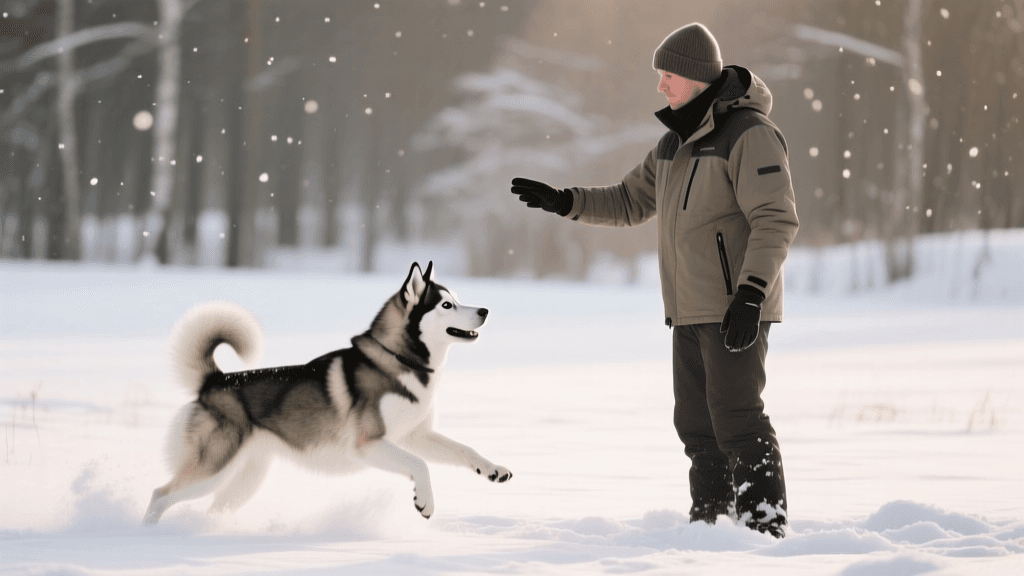
Winter transforms the familiar environment your dog knows so well into an entirely alien landscape. Visual landmarks are buried under white drifts, scent profiles are muted or shifted by freezing winds, and the acoustic properties of the outdoors change dramatically. For dog owners dedicated to year-round obedience, winter presents a unique set of behavioral and environmental hurdles. Snow acts as a natural sound dampener, meaning your standard verbal recall cues might not carry as far or as clearly across an open field. Furthermore, the sheer excitement of a snowy landscape can spike a dog's arousal levels, making impulse control significantly more difficult to enforce.
According to the American Kennel Club (AKC), cold weather also brings severe physical risks like frostbite and hypothermia, meaning training sessions must be both highly effective and efficiently timed. Mastering recall and impulse control in the snow requires adapting your methodology, upgrading your gear, and understanding the seasonal shifts in your dog's psychology and physiology.
Essential Cold-Weather Gear for Training Sessions
Standard nylon leashes freeze stiff in sub-zero temperatures, becoming difficult to handle, bulky, and prone to snapping under sudden tension. Cotton treat pouches absorb melting snow, ruining high-value rewards and making them impossible to access with thick gloves. To maintain a professional training standard in winter, you must invest in weather-appropriate equipment. Below is a comparison chart of essential winter training gear, including specific product recommendations and estimated costs.
| Gear Type | Recommended Product | Estimated Cost | Primary Winter Benefit |
|---|---|---|---|
| Long Line | Biothane 30ft Beta Leash | $35 - $45 | Waterproof, remains flexible, won't freeze or snap |
| Paw Protection | Ruffwear Polar Trex Booties | $90 - $100 | Vibram soles grip ice; blocks toxic road salts |
| Visibility | Hurtta Safety Vest (Orange) | $50 - $60 | High-visibility for early winter sunsets and snow glare |
| Treat Pouch | Ruffwear Treat Trader | $35 - $40 | Magnetic closure allows easy access with thick gloves |
| Paw Wax | Musher's Secret Dog Paw Wax | $15 - $20 | Food-grade wax barrier against ice balls and salt |
Using a Biothane long line is particularly crucial for recall training. Because it is waterproof and non-porous, snow slides right off, and it remains entirely flexible even at twenty degrees below zero. Pairing this with a high-visibility vest ensures you can track your dog during the short, dim days of winter, especially when practicing off-leash recall in wooded, snow-covered areas.
Step-by-Step Winter Recall Training
Recall training in the snow demands a multi-sensory approach. Because visual and auditory cues are compromised by the environment, you must rely on high-value rewards, distinct markers, and consistent conditioning.
Step 1: Acoustic Conditioning with a Training Whistle
Verbal commands can be muffled by heavy snowfall and winter clothing like scarves and hoods. Introduce an Acme 211.5 gundog whistle. The consistent, high-frequency pitch cuts through winter winds and requires no bare-handed dexterity. Begin in a low-distraction indoor environment, pairing a single short whistle blast with a high-value reward like freeze-dried beef liver. Once the association is solid, move to a snowy, enclosed yard to proof the behavior.
Step 2: The Visual Marker and Scent Trail
Snow hides dropped treats, making traditional reward tossing ineffective. Instead of throwing a treat into the snow for a 'find it' game during a recall, use a brightly colored, snow-proof target mat (like a silicone agility contact zone). Teach your dog to recall directly to the mat. The bright orange or blue color contrasts sharply with the white snow, giving your dog a clear visual target to run toward when auditory cues are scattered by the wind.
Step 3: Proofing the Recall Against Winter Wildlife
Winter drives wildlife like deer, rabbits, and squirrels closer to residential areas in search of scarce food. Your dog's prey drive will be heavily triggered by fresh tracks in the snow. Practice the 'emergency recall' using a distinct, ultra-high-value reward (such as warm roasted chicken) that is reserved exclusively for breaking away from wildlife scents. Keep your 30-foot Biothane long line attached to a well-fitted harness to safely arrest your dog's momentum if they bolt toward a deer track.
Managing Impulse Control Around Snow Hazards
Winter environments are littered with hidden dangers. Rock salt, chemical ice melts, and leaked antifreeze pose severe toxic threats. The ASPCA strongly warns that ingestion of these substances can lead to fatal kidney failure and severe gastrointestinal distress. Therefore, a bulletproof "Leave It" command is not just an obedience trick; it is a life-saving winter skill.
To train this, scatter safe, dog-friendly items (like kibble or toys) in the snow alongside visually similar but unsafe items (like small rocks or clumps of hardened salt, kept strictly on a leash for safety). When your dog lunges for the hazardous item, issue your "Leave It" cue. The moment they break eye contact with the hazard and look at you, mark the behavior with a clicker or a verbal 'Yes!' and reward with a high-value treat from your pouch. Consistency is vital. You must enforce the "Leave It" command every single time your dog investigates unknown snow clumps, as the scent of food waste or toxins can easily be buried and suddenly uncovered by wind or plows.
Paw Pad Conditioning and Comfort
Before engaging in rigorous winter recall sessions, your dog's paw pads must be conditioned to ice and salt. Musher's Secret Dog Paw Wax is an industry-standard barrier wax made from food-grade waxes. Apply a generous layer before stepping outside to prevent ice balls from forming between the toes. If your dog refuses to walk in snow due to the cold sensation, practice 'target' training on a snowy patch in your yard for just 30 seconds, rewarding heavily, and gradually increasing the duration over two weeks. Never force a shivering or hesitant dog into deep snow, as this creates negative associations and ruins recall reliability.
Adjusting Session Timing, Rewards, and Physiology
The American Veterinary Medical Association (AVMA) notes that cold tolerance varies greatly depending on a dog's coat, body fat, age, and overall health. However, even cold-weather breeds like Huskies or Malamutes experience fatigue and paw pad damage from sharp ice crusts.
Optimal Winter Session Timing
Shrink your training sessions. A 45-minute autumn obedience session should be condensed into highly focused 10 to 15-minute winter sprints. This prevents core body temperature drops and keeps the dog's mental engagement exceptionally high. End the session while the dog is still eager to work, rather than waiting for them to shiver or lift their paws in discomfort.
Caloric Adjustments for Winter Work
Training in deep snow requires significantly more caloric expenditure than walking on clear pavement. Dogs burn extra calories simply trying to thermoregulate and navigate the physical resistance of snowdrifts. Increase your training treats' fat content. Swap standard training biscuits for high-fat options like Zuke's Mini Naturals or small pieces of cooked salmon. If you are engaging in rigorous winter dog sports like skijoring or snowshoeing with your dog, consult your veterinarian about increasing their daily meal portions by 10 to 20 percent to offset the extreme energy output.
Pro Tip: Always carry a thermos of warm water and a collapsible silicone bowl. Dogs dehydrate quickly in cold, dry winter air, and eating snow to quench thirst can dangerously lower their core body temperature and trigger gastrointestinal upset.
Conclusion: Embracing the Season Safely
Winter dog training requires patience, preparation, and a willingness to adapt to the elements. By upgrading to cold-weather gear like Biothane lines and insulated booties, utilizing acoustic whistles for recall, and rigorously proofing impulse control against toxic ice melts, you can turn the snowy months into a period of profound bonding and behavioral growth. Respect the weather, prioritize your dog's physical comfort, and maintain your training standards with seasonal adjustments. Your dog's obedience will not only survive the winter; it will emerge sharper, more reliable, and deeply ingrained by the time the spring thaw finally arrives.
robin-maitland
All our authors care for dogs every day — read more of their work on the authors page.