Senior Dog Training: Cognitive Games & Gentle Obedience
Discover how to train your senior dog with gentle obedience and cognitive games. Keep your aging dog's mind sharp and body safe with our life stage guide.
Understanding the Senior Dog Life Stage
When we think of dog training, we often picture chaotic puppies chewing on shoes or adolescent dogs testing boundaries. However, the senior life stage—typically beginning around 7 to 8 years of age depending on the breed and size—requires a distinct, compassionate approach to training and behavioral conditioning. Training your older dog is not only possible, but it is also a vital component of their life stage care guide. Mental stimulation helps stave off cognitive decline, while gentle obedience keeps them safe, engaged, and connected to you.
According to the ASPCA, senior dogs experience significant changes in their physical and cognitive abilities. Adapting your training methods to accommodate arthritis, diminished hearing, or vision loss is essential for their well-being. This guide will walk you through practical, low-impact training strategies, cognitive enrichment games, and the specific gear you need to support your aging companion.
The Aging Canine Brain and Cognitive Dysfunction
Just like humans, dogs can experience cognitive decline as they age. Canine Cognitive Dysfunction (CCD) is a condition related to brain aging that leads to changes in awareness, deficits in learning and memory, and decreased responsiveness to stimuli. The Cornell University College of Veterinary Medicine notes that signs of CCD include disorientation, altered interactions with owners, changes in sleep-wake cycles, and house soiling.
Training acts as a powerful preventative measure and management tool for CCD. By introducing novel, low-stress cognitive games, you promote neuroplasticity—the brain's ability to form new neural connections. The goal is not to drill complex physical tricks, but to engage their problem-solving skills and scent-tracking instincts in a way that respects their physical limitations.
Puppy vs. Senior Dog Training: A Comparison
To successfully train an older dog, you must adjust your expectations and methods. Below is a comparison chart highlighting the key differences between training a puppy and a senior dog.
| Training Aspect | Puppies (8 weeks - 6 months) | Senior Dogs (8+ years) |
|---|---|---|
| Session Duration | 5 to 10 minutes, high frequency | 3 to 5 minutes, low frequency |
| Physical Demands | High energy, building coordination | Low impact, joint-friendly movements |
| Primary Motivation | Play, high-value treats, praise | Gentle praise, scent work, soft treats |
| Learning Speed | Fast but easily distracted | Slower processing, requires patience |
| Primary Goal | Impulse control, basic manners | Cognitive maintenance, bonding |
Essential Gear for Senior Dog Training
Before beginning a senior training regimen, invest in gear that accommodates their changing bodies. Budget approximately $100 to $150 for these foundational items:
- Orthopedic Training Mat ($40 - $70): A non-slip, supportive mat like the Kuranda Chewproof Dog Bed or a thick, high-density yoga mat provides crucial joint support during stationary commands like 'sit' or 'down'. Hard floors can exacerbate hip dysplasia and arthritis.
- Support Harness ($60 - $80): The Ruffwear Web Master Harness features a padded chest and a sturdy back handle. This allows you to support your dog's hindquarters if they struggle with balance during training or need assistance navigating stairs.
- Low-Calorie, Soft Treats ($10 - $15): Senior dogs often have sensitive digestion or dental issues. Zuke's Mini Naturals (under 3 calories each) or single-ingredient freeze-dried liver are easy to chew and won't contribute to obesity, which is a major risk factor for joint pain.
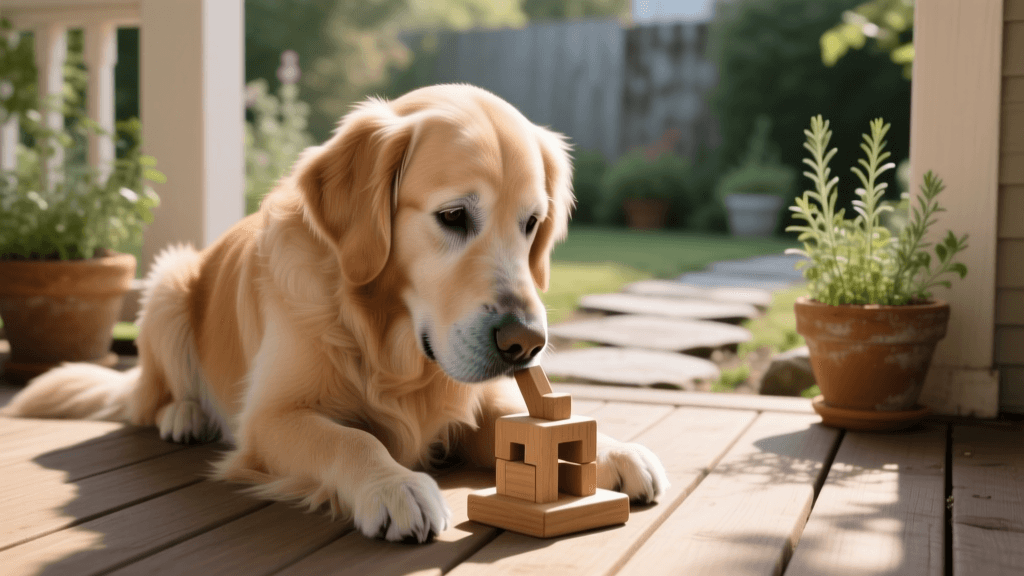
- Scent Enrichment Toys ($15 - $25): The Outward Hound Dog Brick Puzzle or a wool snuffle mat engages their primary sense (smell) without requiring physical exertion.
Low-Impact Tricks to Teach Your Senior Dog
The American Kennel Club (AKC) emphasizes that you absolutely can teach an old dog new tricks, provided the tricks are adapted to their physical capabilities. Here are two excellent, low-impact behaviors to train.
1. Target Training (The 'Touch' Command)
Target training teaches your dog to touch their nose to your hand or a target stick. This is incredibly useful for guiding a senior dog with poor vision onto a car ramp, onto their bed, or away from hazards without needing to pull their collar or harness.
- Hold your open palm about one inch from your dog's nose.
- When they naturally sniff or bump your hand, immediately mark the behavior with a gentle 'yes' or a soft clicker, and reward with a treat.
- Gradually increase the distance by a few inches, requiring them to take a single step to reach your hand.
- Add the verbal cue 'Touch' right before they move toward your hand.
- Practice in 3-minute sessions, twice a day, keeping the physical movement minimal but the mental engagement high.
2. 'Find It' (Scent Work)
Scent work is the ultimate cognitive exercise for aging dogs. A dog's olfactory system remains robust even as their eyesight and hearing fade.
- Start with your dog in a 'stay' or have a family member gently hold them.
- Place a strong-smelling treat (like a piece of low-sodium cheese or freeze-dried salmon) in plain sight on the floor.
- Release them with the cue 'Find it!' and praise them when they eat it.
- Gradually make it harder by placing treats behind furniture legs, under a light towel, or in different rooms.
- This game tires out a senior dog's brain in just 10 minutes, providing the equivalent mental exhaustion of a 30-minute walk, but with zero joint impact.
Adapting to Sensory Loss
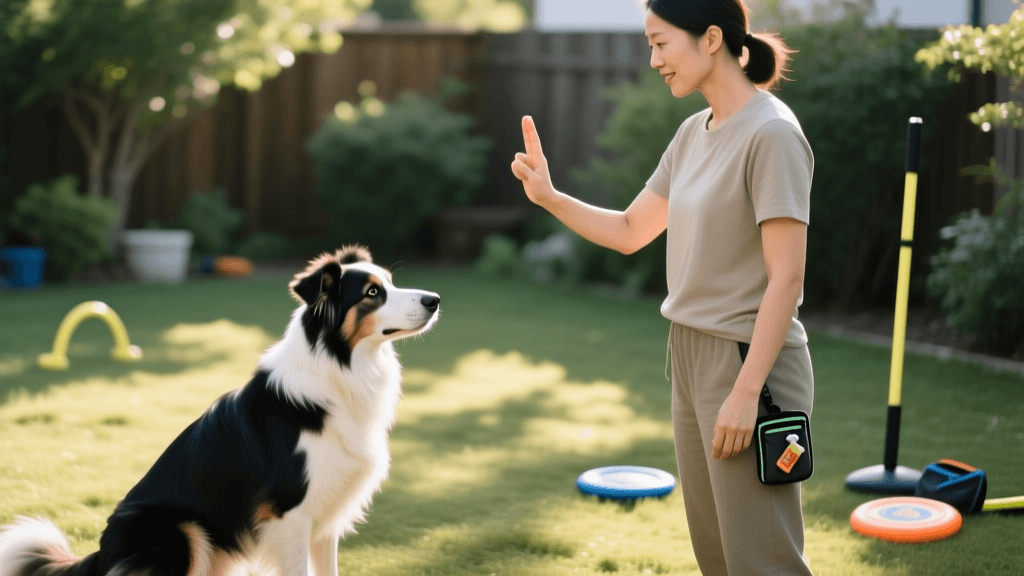
As part of your life stage care guide, you must adapt your communication. If your senior dog is losing their hearing, transition from verbal cues to hand signals. For example, a flat hand raised upward can mean 'sit', while an open palm pushed downward means 'down'. If your dog is losing their vision, rely heavily on scent markers (like a drop of dog-safe lavender essential oil on the doorframe to mark the exit) and tactile cues, such as a gentle two-finger tap on the shoulder to get their attention before initiating a command.
Establishing a Predictable Routine
Dogs with early-stage cognitive dysfunction thrive on rigid predictability. Schedule your training and enrichment sessions at the exact same times each day. For instance, conduct a 5-minute snuffle mat session immediately after their morning potty break, and a 3-minute target training session right before dinner. This routine reduces anxiety and helps anchor their internal clock, mitigating the sundowning effect often seen in dogs with CCD.
Conclusion
Training a senior dog is an act of profound love and respect for the companion who has given you their best years. By shifting your focus from high-energy obedience to gentle cognitive enrichment and low-impact tricks, you enhance their quality of life, keep their mind sharp, and deepen your bond. Remember to consult your veterinarian before starting any new routine to ensure your dog's joints and heart are ready for the activity, and embrace the beautiful, quiet journey of caring for your senior dog.
robin-maitland
All our authors care for dogs every day — read more of their work on the authors page.