Understanding Winter Dog Behavior and Seasonal Depression
Discover how winter affects your dog's psychology. Learn to identify canine seasonal depression and use indoor enrichment to satisfy breed instincts.
The Biological Roots of Canine Seasonal Affective Disorder
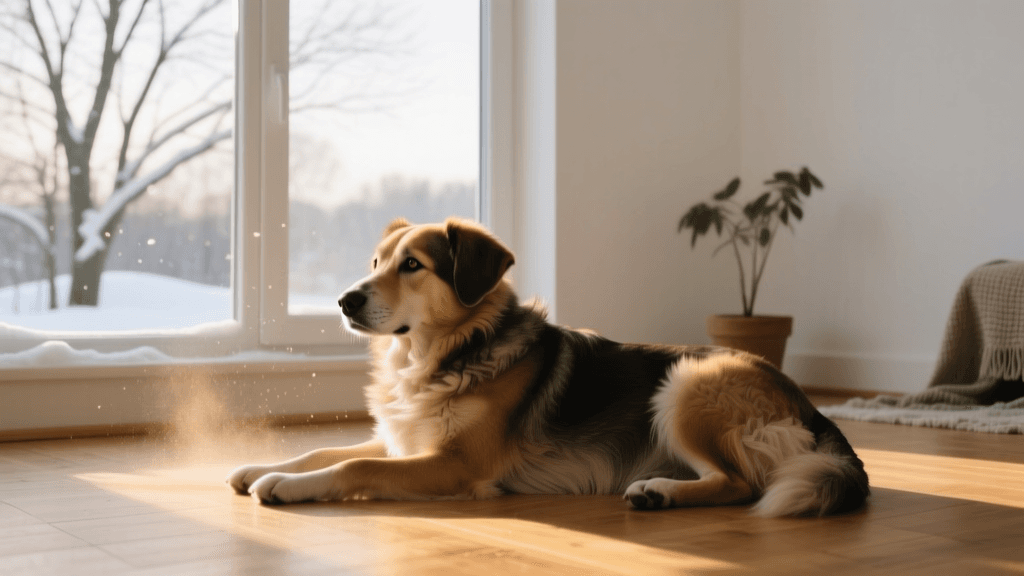
As the vibrant colors of autumn fade into the stark, freezing reality of winter, dog owners often notice a distinct shift in their pet's behavior. While we frequently attribute these changes to the cold weather, the truth lies much deeper within canine psychology and neurochemistry. Just like humans, dogs are susceptible to Seasonal Affective Disorder (SAD), a psychological condition driven by the changing lengths of daylight and the subsequent disruption of their circadian rhythms.
The biological mechanism behind this is rooted in the endocrine system. Reduced exposure to natural sunlight during the winter months triggers an overproduction of melatonin (the hormone responsible for sleep) and a decrease in serotonin (the neurotransmitter that regulates mood and happiness). According to the PDSA, pets can absolutely suffer from the winter blues, exhibiting symptoms that mirror human seasonal depression. Understanding that your dog's winter lethargy or sudden clinginess is a biological response, rather than mere stubbornness, is the first step in providing effective seasonal care.
Distinguishing Normal Winter Shifts from Behavioral Red Flags
It is entirely natural for a dog's activity level to decrease slightly when the temperature drops. In the wild, canids conserve energy during the winter to maintain their core body heat. However, there is a fine line between a healthy seasonal adjustment and psychological distress born from under-stimulation and seasonal depression. When a dog's mental needs are not met, their behavior will communicate their internal frustration.
To help you decode your dog's winter behavior, refer to the comparison chart below:
| Behavioral Metric | Normal Winter Adjustment | Potential Canine SAD / Cabin Fever |
|---|---|---|
| Sleep Patterns | Slightly longer naps, easily roused | Extreme lethargy, difficulty waking up |
| Appetite | Mild increase to generate body heat | Obsessive begging, overeating, rapid weight gain |
| Indoor Activity | Lower energy, relaxed lounging | Pacing, shadow-chasing, destructive chewing |
| Social Interaction | Content to be in the same room | Velcro-dog syndrome, separation anxiety spikes |
If your dog is displaying the symptoms in the right-hand column, their brain is starving for dopamine and environmental enrichment. The American Kennel Club (AKC) emphasizes that when outdoor physical exercise is limited by ice, snow, or freezing rain, owners must pivot to intensive indoor mental stimulation to prevent behavioral fallout.
How Breed Instincts Clash with Winter Confinement
Understanding your dog's behavior requires looking through the lens of their breed history. Winter confinement disproportionately affects dogs with high working drives. A Basset Hound or a Greyhound may be perfectly content to sleep through a blizzard, but a Border Collie, Belgian Malinois, or Jack Russell Terrier will experience severe psychological friction when their instinctual drives are bottlenecked by the weather.
Herding breeds are genetically wired to control movement and solve spatial problems. Terriers are hardwired to hunt, dig, and dispatch prey. When these dogs are confined to a climate-controlled living room for weeks on end, their unexpressed instincts mutate into maladaptive behaviors. A herding dog may begin to nip at the heels of running children, while a terrier may destroy baseboards in a misguided attempt to dig for rodents. Recognizing these breed-specific vulnerabilities allows you to tailor your winter enrichment strategy to satisfy their innate psychological needs.
Actionable Seasonal Enrichment: Satisfying the Canine Brain
To combat winter cabin fever, you must replace physical exhaustion with mental fatigue. As noted by the ASPCA, mental enrichment is crucial for a dog's overall well-being, especially when outdoor activities are restricted. Here are three highly effective, actionable strategies to implement this winter:
1. Olfactory Scent Work and Foraging
A dog's olfactory bulb is roughly 40 times larger than a human's, and sniffing requires immense cognitive processing. In fact, 15 to 20 minutes of intense scent work can burn the same amount of mental and physical energy as an hour of brisk outdoor walking.
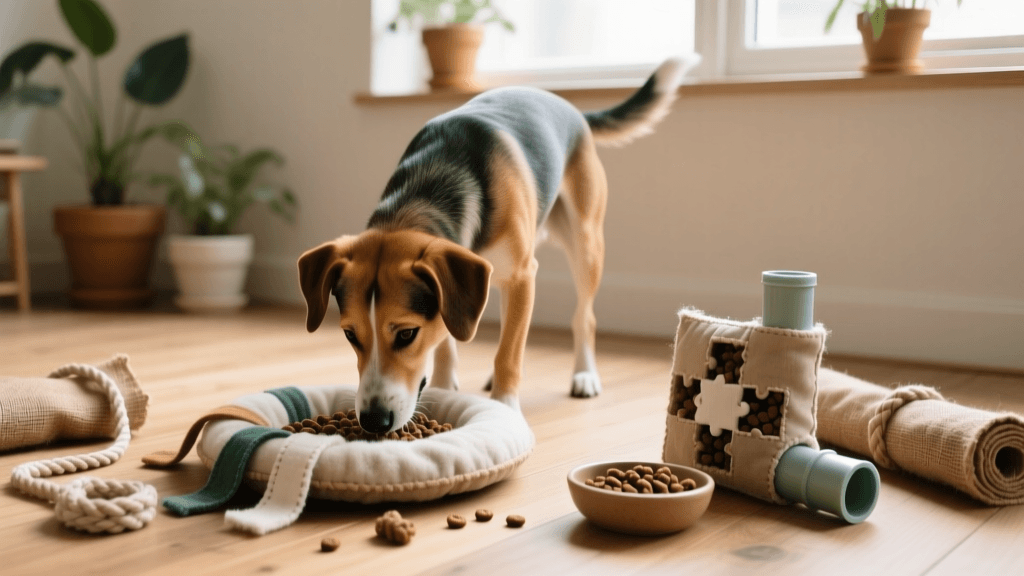
- The Snuffle Mat Method: Invest in a high-quality snuffle mat (typically costing between $15 and $30). Instead of feeding your dog their morning meal in a bowl, hide 1/2 cup of their daily kibble deep within the fabric strips. This forces them to use their nose and foraging instincts, providing a massive dopamine release upon finding the food.
- Indoor Hide-and-Seek: Place your dog in a 'stay' command, hide high-value treats (like freeze-dried liver) around the living room, and give the release cue 'find it'. Start with easy, visible placements and gradually increase the difficulty by hiding treats under rugs or behind furniture legs.
2. Frozen Lick Mats and Slow Feeders
Licking is a self-soothing behavior for dogs that releases endorphins, helping to alleviate the anxiety and frustration associated with being stuck indoors. Preparing frozen enrichment toys takes less than 10 minutes and can buy you up to 45 minutes of peace and quiet.
- The Recipe: Take a textured silicone lick mat or a KONG Classic Red Rubber Toy (approx. $15). Smear 2 tablespoons of plain, xylitol-free pumpkin puree, a dollop of plain Greek yogurt, and a sprinkle of crushed training treats. Freeze it solid overnight.
- The Psychology: The frozen texture forces the dog to work slowly, extending the enrichment session and keeping their brain engaged in problem-solving rather than dwelling on their boredom.
3. Indoor Parkour and Proprioception
For athletic breeds that miss their outdoor agility routines, indoor parkour utilizes household items to satisfy their need for physical coordination and spatial awareness.
- Use sturdy couch cushions, wooden spoons, and cardboard boxes to create an obstacle course. Teach your dog to 'paws up' on a book, 'crawl under' a dining chair, or 'weave' through your legs. This builds proprioception (body awareness) and strengthens the human-canine bond through cooperative play.
Environmental Adjustments and Light Therapy
Beyond behavioral enrichment, adjusting your dog's physical environment can help reset their disrupted circadian rhythms. Light therapy, commonly used for humans with SAD, is increasingly being utilized in veterinary behavioral medicine.
Consider placing a full-spectrum 10,000 LUX light therapy lamp in the room where your dog spends the most time. Ensure the lamp is positioned safely out of reach to prevent chewing hazards or accidental knocking. Expose your dog to the indirect ambient light for 30 to 45 minutes each morning. This artificial sunlight helps suppress the overproduction of melatonin, signaling to your dog's brain that it is time to be alert and active.
Furthermore, maintain a strict daily routine. Dogs thrive on predictability. Even if the weather is miserable, committing to a strict schedule for waking, feeding, and short, bundled-up outdoor potty breaks provides a psychological anchor that reduces anxiety.
Conclusion
Winter does not have to be a season of behavioral regression or mutual frustration. By understanding the neurochemical realities of canine seasonal depression and recognizing the weight of your dog's breed-specific instincts, you can proactively design a winter care plan that nurtures their mind. Swapping endless, freezing walks for intense, indoor olfactory games and environmental enrichment will not only keep your dog sane until the spring thaw—it will deepen your understanding of the complex, beautiful psychology that makes them your best friend.
anouk-beaumont
All our authors care for dogs every day — read more of their work on the authors page.