Getting a Dog in Winter: Cold-Weather Prep for New Owners
Adopting a dog in winter requires special preparation. Learn how to winterize your home, yard, and schedule for a safe, cozy transition for your new pet.
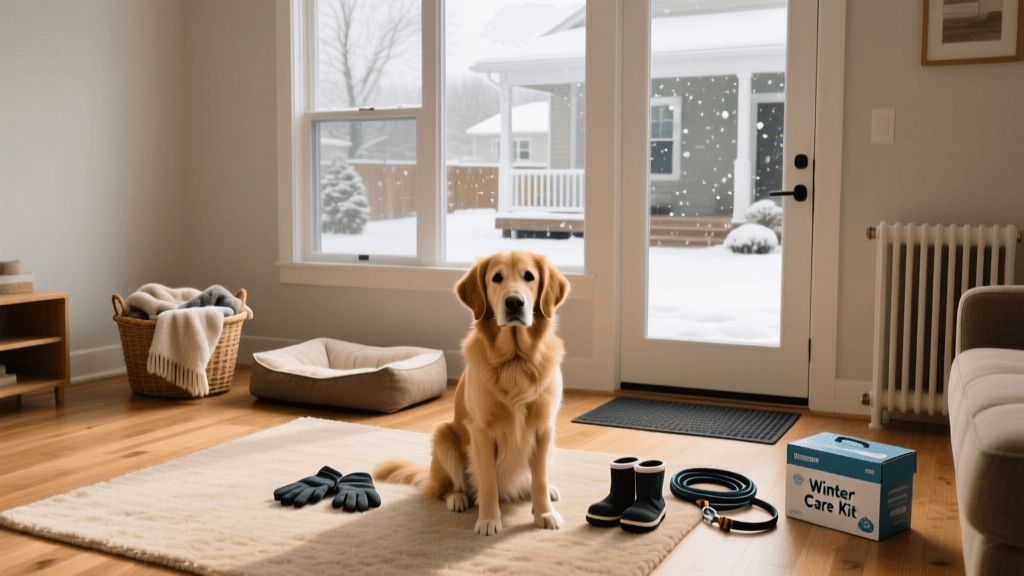
Bringing a new dog home is a milestone filled with excitement, but adopting during the winter months introduces a unique set of challenges. From freezing temperatures and icy sidewalks to shorter daylight hours and hazardous household chemicals, winter requires a specialized approach to puppy-proofing and home preparation. Whether you are bringing home a resilient husky mix or a shivering Chihuahua, understanding how to adapt your environment for the cold season is critical for your new pet's health and happiness.
Why Winter Adoptions Require Extra Preparation
When you get a dog in the spring or summer, the transition often revolves around heat management and outdoor socialization. Winter flips the script. The primary concerns shift to thermal regulation, paw protection, and navigating a landscape that can be physically hazardous to an animal unfamiliar with its new territory. Furthermore, the stress of relocation combined with extreme temperature drops can compromise a new dog's immune system. According to the ASPCA's Cold Weather Safety guidelines, pets are susceptible to frostbite and hypothermia just like humans, and new arrivals are particularly vulnerable because they have not yet acclimated to your local climate or established a stable routine.
Winterizing Your Home for a New Dog
Before your new dog crosses the threshold, your home must be optimized for winter living. Dogs track in snow, slush, and toxic de-icing salts, which can damage your floors and harm their paws if they lick them later.
Creating a Winter Entryway Station
Designate a specific transition zone near your primary entrance. Lay down a heavy-duty, waterproof mat (at least 3 feet by 5 feet) to catch melting snow and mud. Keep a dedicated set of microfiber dog towels on a wall hook to immediately wipe down your dog's belly, legs, and paws after every outdoor excursion. This prevents cold moisture from lingering on their skin, which can lead to hot spots or fungal infections.
Managing Indoor Heating and Drafts
While it is tempting to crank up the thermostat, dogs need a localized, draft-free sanctuary. Inspect the perimeter of your home for drafts near baseboards and windows. Position your new dog's crate or bed at least three feet away from exterior doors and drafty windows. Conversely, ensure their resting spot is not directly adjacent to a radiator or heating vent, as overheating and dry air can cause respiratory irritation and dry, cracked skin. A humidifier set to 30-40% humidity in the room where your dog sleeps can mitigate the drying effects of central heating.
Preparing Your Yard for Cold Weather Potty Breaks
A new dog needs to learn where to eliminate, and a yard buried under two feet of snow is incredibly confusing. If you are adopting a dog in winter, yard preparation is non-negotiable.
Clearing Designated Potty Pathways
Before the first snowfall, or immediately upon bringing your dog home, shovel a dedicated network of paths. Create a 3-foot-wide cleared path leading from the back door to a specific, sheltered 5x5 foot potty zone. Dogs are reluctant to lift their legs or squat in deep, powdery snow, and this cleared zone will drastically reduce indoor accidents during the critical first week of house training.
Choosing Pet-Safe De-Icers
Traditional rock salt (sodium chloride) is highly irritating to paw pads and toxic if ingested during grooming. Stock up on pet-safe ice melts that utilize urea or calcium magnesium acetate. These alternatives melt ice at lower temperatures without causing chemical burns on your new dog's sensitive paws.
Essential Winter Gear for Your First Week
Equipping yourself with the right gear before adoption day ensures a smooth transition. Below is a structured checklist of winter essentials, including estimated costs and specific product recommendations to help you budget effectively.
| Item | Purpose | Estimated Cost | Recommended Type / Brand |
|---|---|---|---|
| Dog Winter Coat | Core temperature retention for short-haired or small breeds. | $40 - $80 | Kurgo Loft Jacket or Hurtta Extreme Warmer |
| Paw Protection Wax | Creates a semi-permeable barrier against ice and salt. | $15 - $20 | Musher's Secret Dog Paw Wax |
| Dog Booties | Physical barrier against sharp ice and chemical burns. | $50 - $90 | Ruffwear Grip Trex or Pawz Rubber Boots |
| LED Collar / Light | Visibility during early morning and late evening walks. | $15 - $30 | Nite Ize SpotLit LED or Illumiseen Collar |
| Pet-Safe Ice Melt | Clearing walkways without risking paw toxicity. | $20 - $35 (per 10lb) | Safe Paw or Natural Rapport Ice Melter |
Adjusting the First-Week Schedule for Shorter Days
Winter means fewer hours of daylight, which directly impacts your new dog's adjustment period. Dogs rely heavily on visual cues and sunlight to regulate their circadian rhythms. During the first week, you will likely be doing potty breaks and training sessions in the dark.
Invest in a high-lumen, hands-free headlamp (minimum 300 lumens) for yourself, and a reflective harness with an attached LED light for your dog. According to the American Kennel Club's winter paw care guidelines, walking in the dark increases the risk of stepping on unseen hazards like sharp ice chunks or discarded debris that can lacerate your dog's paw pads. Illuminating the path protects both of you. Furthermore, keep early-week training sessions indoors using puzzle toys and snuffle mats to burn mental energy when the weather is too severe for prolonged outdoor exploration.
Health and Safety Considerations
The winter environment is rife with hidden dangers that a curious new dog might investigate.
"Antifreeze is highly toxic to dogs and cats. Its sweet taste often attracts animals, but even a small amount can cause acute kidney failure and death."
Before bringing your dog home, audit your garage, driveway, and porch. Ensure all hazardous materials are secured and out of reach.
- Antifreeze: Store all automotive antifreeze (ethylene glycol) in locked cabinets or high shelves. Clean up any spills immediately. Consider switching to a propylene glycol-based antifreeze, which is significantly less toxic to pets, as noted by the Humane Society of the United States.
- Space Heaters: Ensure any portable space heaters have automatic tip-over shutoff features and cool-touch exteriors to prevent burns and fire hazards.
- Toxic Plants: Winter holidays bring lilies, poinsettias, and holly into the home. Keep these plants completely inaccessible, as ingestion can cause severe gastrointestinal and neurological distress.
Indoor Enrichment for Snowed-In Days
During the first few weeks of adoption, building a bond and establishing house rules are paramount. However, blizzards and extreme cold snaps can trap you indoors for days. Without adequate stimulation, a newly adopted dog may develop destructive behaviors out of boredom and anxiety. Prepare an indoor enrichment kit before the dog arrives. This should include a variety of chew-safe interactive toys, such as the Kong Classic (stuffed and frozen with dog-safe peanut butter and kibble), snuffle mats to encourage natural foraging instincts, and treat-dispensing puzzles. Rotating these toys daily keeps the environment novel and mentally taxing, effectively substituting for the physical exercise missed during severe winter weather.
Acclimating to the Cold: A Gradual Approach
Do not expect your new dog to tolerate a 30-minute winter walk on day one, even if they appear physically robust. The pads of their feet need time to thicken and adapt to freezing surfaces, and their internal thermostat needs to adjust to the ambient temperature. Limit initial outdoor excursions to 5-10 minutes purely for elimination purposes. Gradually increase outdoor exposure by 2-3 minutes each day, closely monitoring for signs of cold stress, such as shivering, whining, slowing down, or lifting paws off the ground.
By proactively addressing the unique challenges of the season, you transform a potentially stressful winter adoption into a cozy, bonding experience. Your thorough preparation ensures that your new companion's first memories in their forever home are defined by warmth, safety, and care.
priya-sutaria
All our authors care for dogs every day — read more of their work on the authors page.