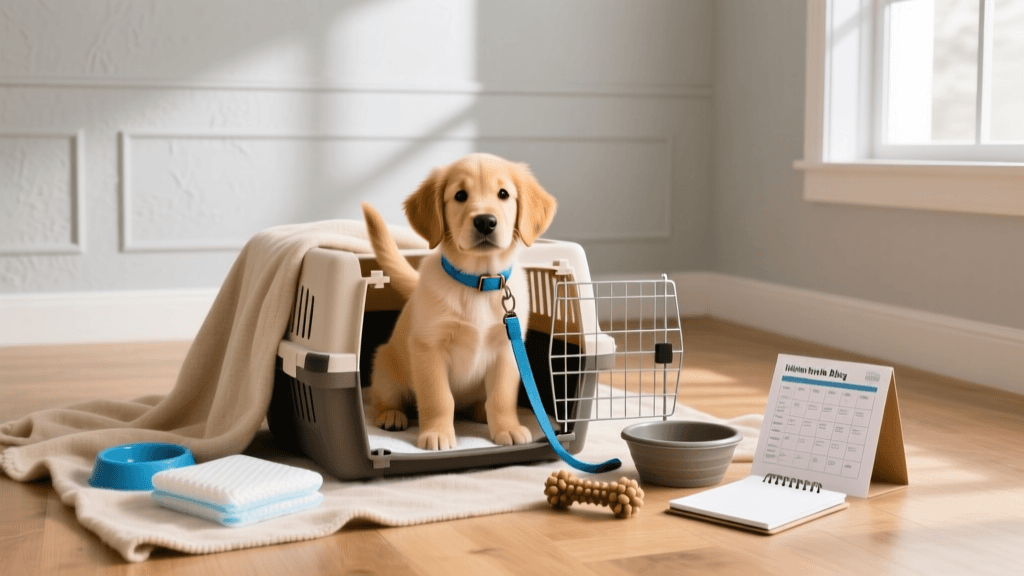
The Budget-Friendly Guide to Getting Your First Dog
Discover how to get and prepare for your first dog on a budget. Learn cost-saving tips for adoption, essential gear, and initial vet care.

The Financial Reality of Bringing a Dog Home
The decision to welcome a canine companion into your life is one of the most rewarding choices you will ever make. However, the emotional excitement of getting a dog is often quickly followed by a sobering look at the financial realities of pet ownership. According to the ASPCA's pet care cost guidelines, the first year of dog ownership can cost anywhere from $1,500 to over $3,000, depending on the size of the dog and unexpected medical needs. For many first-time owners or families on a strict budget, these numbers can be daunting. But does having a limited budget mean you have to delay your dream of dog ownership? Absolutely not. With strategic planning, a focus on essential needs over luxury wants, and a commitment to smart shopping, you can provide a loving, healthy home for a dog without draining your savings account. This comprehensive guide will walk you through the exact steps to get and prepare for your first dog on a budget, covering everything from acquisition and gear to veterinary care and nutrition.
Adoption vs. Buying: The Ultimate Budget Choice
When it comes to acquiring a dog, the choice between adopting from a shelter or purchasing from a private breeder is the single largest financial decision you will make. From a budget-friendly perspective, adoption is the undisputed champion. While purchasing a puppy from a reputable breeder can easily cost between $1,500 and $3,500, shelter adoption fees typically range from $50 to $300. But the sticker price is only half the story. Shelter adoption fees are heavily subsidized and almost always include a suite of essential veterinary services that you would otherwise have to pay for out-of-pocket during your first few weeks of ownership. When you adopt an adult dog or even a puppy from a recognized rescue organization, the adoption fee generally covers spaying or neutering, age-appropriate vaccinations, deworming, flea and tick prevention, and a microchip. If you were to purchase a dog from a breeder, you would be responsible for all of these initial medical procedures, which can easily add $400 to $800 to your first-year expenses. Furthermore, adopting a dog saves a life and frees up shelter space for another animal in need. Many local municipal shelters also offer special adoption promotions, such as waived fees for senior dogs or discounted rates during national adoption months, making it even more accessible for budget-conscious adopters.
Initial Cost Comparison: Shelter vs. Breeder
To truly understand the financial difference, let us break down the initial acquisition and medical costs in a side-by-side comparison.
| Expense Category | Shelter/Rescue Adoption | Private Breeder Purchase |
|---|---|---|
| Acquisition Fee | $50 - $300 | $1,000 - $3,500+ |
| Spay/Neuter Surgery | Usually Included | $200 - $500 (Extra) |
| Initial Vaccines (DHPP, Rabies) | Usually Included | $100 - $250 (Extra) |
| Microchip & Registration | Usually Included | $50 - $75 (Extra) |
| Total Estimated Initial Cost | $50 - $300 | $1,350 - $4,325+ |
Essential Gear: What You Actually Need
Once you have secured your new furry friend, the next step is gathering the necessary supplies. Pet stores are designed to tempt you with luxury items, high-tech gadgets, and aesthetic accessories that you simply do not need. To keep your budget intact, focus strictly on the essentials. First, invest in stainless steel or heavy-duty ceramic food and water bowls. Avoid plastic bowls, which are not only prone to harboring bacteria that can cause canine acne, but they also need to be replaced more frequently. A good set of stainless steel bowls will cost around $15 to $20 and last a lifetime. For your leash and collar setup, skip the expensive leather or retractable leashes. A standard six-foot nylon or biothane leash provides the best control for training and costs less than $15. Pair this with a well-fitted martingale collar or a front-clip harness, which are excellent for preventing pulling and ensuring your dog cannot slip out. When it comes to bedding, you do not need a $100 orthopedic dog bed on day one. Many budget-savvy owners successfully use elevated cots, which are easy to clean and cost around $30, or simply stuff an old duvet cover with folded blankets. Finally, do not overspend on toys. Dogs do not care about brand names. You can create highly engaging DIY puzzle toys using empty cardboard boxes, crumpled paper, and a few pieces of kibble, or purchase durable rubber chew toys from discount bins. By prioritizing function and safety over fashion, you can outfit your new dog for under $75.
Navigating Veterinary Care on a Budget
Veterinary care is an unavoidable expense, but there are several ways to manage these costs without compromising your dog's health. The most effective strategy for budget-conscious owners is to seek out low-cost veterinary clinics or mobile vaccine clinics for routine preventative care. As highlighted by the Humane Society's low-cost veterinary resources, many communities have non-profit clinics that offer vaccinations, heartworm testing, and routine check-ups at a fraction of the cost of private veterinary hospitals. Another critical financial tool is pet insurance or a wellness plan. While it may seem counterintuitive to spend money to save money, enrolling your dog in a pet insurance policy while they are young and healthy can protect you from catastrophic, unforeseen veterinary bills later in life, such as emergency surgeries or chronic illness treatments. Alternatively, some veterinary chains offer monthly wellness plans that bundle annual exams, vaccines, and flea, tick, and heartworm preventatives into one predictable monthly payment. Additionally, always ask your veterinarian about generic alternatives to brand-name medications. For example, generic heartworm preventatives contain the exact same active ingredients as premium brands but can cost up to 50% less. The American Veterinary Medical Association (AVMA) consistently advises pet owners to have open, honest conversations with their vets about financial constraints, as most veterinarians are more than willing to help you prioritize necessary treatments and explore cost-effective alternatives.
Smart Shopping: Food and Everyday Supplies
Feeding your dog a nutritious diet is paramount, but the pet food industry is rife with marketing gimmicks that convince owners they must feed ultra-premium, grain-free, or boutique diets. The truth is, you do not need to spend $80 a month on dog food to keep your pet healthy. The most important factor in choosing a budget-friendly dog food is ensuring it meets the nutritional standards established by the Association of American Feed Control Officials (AAFCO). Look for a statement on the bag indicating that the food is formulated to meet the nutritional levels established by the AAFCO Dog Food Nutrient Profiles. Many highly reputable, scientifically backed brands are available at big-box stores and online retailers for a fraction of the cost of boutique brands. To stretch your food budget even further, buy in bulk. Purchasing a 30-pound bag of kibble is almost always more cost-effective per pound than buying multiple 5-pound bags. Store the food in an airtight container to maintain freshness and prevent spoilage. Additionally, be cautious with treats. Commercial dog treats are often overpriced and packed with unnecessary fillers. Instead, use small pieces of dog-safe human foods like carrots, green beans, or plain boiled chicken breast as high-value training rewards. These alternatives are healthier, cheaper, and readily available in your own kitchen.
Preparing Your Home Without Breaking the Bank
Preparing your home for a new dog does not require a professional interior designer or a massive renovation budget. The primary goal of home preparation is safety and management, commonly known as puppy-proofing or dog-proofing. Start by identifying and securing potential hazards. Use inexpensive cable ties or cord covers to hide electrical wires, and move toxic houseplants out of reach. You can find comprehensive lists of toxic plants and household hazards online for free. To restrict your dog's access to certain rooms without buying expensive freestanding pet gates, consider using tension-mounted baby gates, which are widely available at discount stores for under $30. For cleaning supplies, a simple enzymatic cleaner is a must-have for inevitable indoor accidents. While brand-name enzymatic cleaners can be pricey, many store-brand versions use the exact same bio-enzymatic formulas to break down urine and feces proteins at half the cost. Finally, set up a designated safe space for your dog, such as a wire crate. Wire crates are highly durable, fold flat for storage, and can be found second-hand on local marketplace apps for a fraction of their retail price. Simply wash the crate thoroughly with pet-safe disinfectant before use.
A dog does not care about the price tag on their collar, the brand name on their food, or the thread count of their bed. They care about your presence, your patience, and your love. Financial wealth is not a prerequisite for being a phenomenal dog owner.
Conclusion
Getting a dog on a budget is entirely possible and deeply rewarding. By choosing adoption over purchasing, investing only in essential and durable gear, utilizing low-cost veterinary resources, and making smart, informed decisions about nutrition and home preparation, you can provide a fantastic life for your new companion. Remember that the greatest gift you can give your dog is not bought in a store; it is the time, training, and affection you provide every single day. With careful planning and a focus on what truly matters, you are fully equipped to welcome your new best friend home without compromising your financial stability.
priya-sutaria
All our authors care for dogs every day — read more of their work on the authors page.