Understanding Winter Cabin Fever: Canine Psychology and Enrichment
Discover the psychology behind winter cabin fever in dogs. Learn how to satisfy your dog's foraging instincts with indoor enrichment activities.
The Neuroscience of Canine Cabin Fever
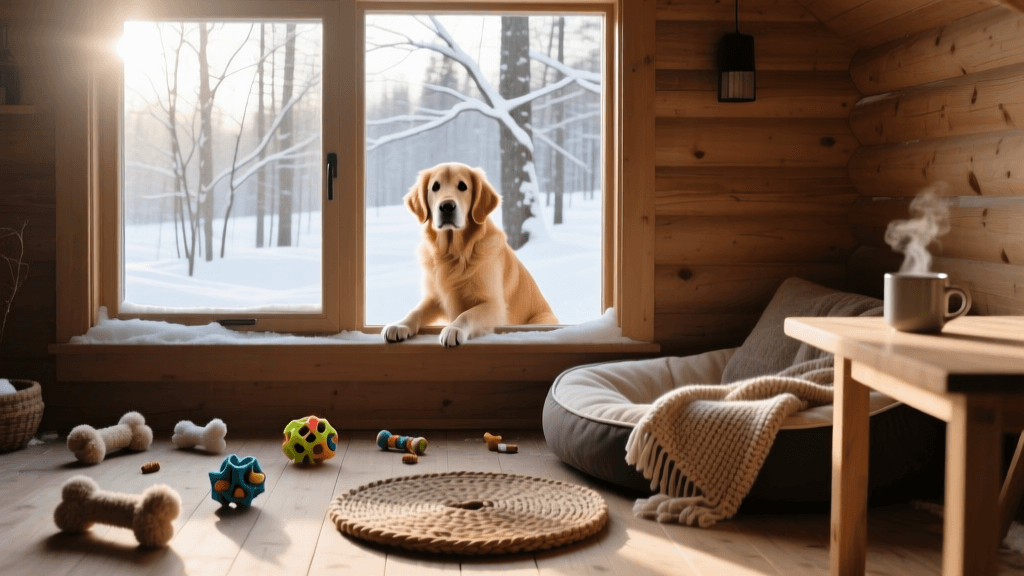
Winter brings cold weather, shorter days, and a significant shift in our daily routines. For our dogs, this seasonal transition often results in what we colloquially call 'cabin fever.' But what is actually happening inside your dog's mind when the snow falls and outdoor walks are cut short? Understanding the psychology behind winter lethargy, frustration, and destructive behavior is crucial for any dedicated dog owner. Cabin fever is not merely a human concept; it is a very real psychological state in canines characterized by under-stimulation of the brain's reward circuitry.
In affective neuroscience, the 'SEEKING' system, a concept pioneered by neuroscientist Jaak Panksepp, describes the emotional drive that motivates animals to explore, forage, and investigate their environment. This system is highly active in dogs. When winter weather restricts outdoor exploration, the SEEKING system is starved of its primary fuel: novelty and olfactory input. The resulting frustration often manifests as pacing, excessive barking, or destructive chewing. To combat this, we must shift our focus from purely physical exercise to deep, instinctual mental enrichment.
Olfactory Deprivation: The Hidden Winter Stressor
Dogs experience the world primarily through scent. The olfactory bulb in a dog's brain is proportionally 40 times larger than in humans, and the region dedicated to analyzing odors is vastly more complex. During the winter, snow and ice actually trap scent molecules close to the ground and drastically reduce the olfactory landscape. Furthermore, cold, dry air impairs the moisture on a dog's nasal planum (nose leather), which is essential for capturing scent particles.
When your dog is deprived of their primary sense, they experience a form of sensory isolation. According to the American Kennel Club, mental stimulation through scent work and nose games is one of the most effective ways to tire out a dog when outdoor conditions are unfavorable. Replacing the lost outdoor sniffing time with intentional indoor olfactory work is critical for maintaining your dog's psychological well-being during the winter months.
Physical Exhaustion vs. Mental Fatigue
A common mistake dog owners make in the winter is trying to compensate for shorter walks with intense, brief bouts of physical exercise, like a quick game of fetch in the living room. However, physical exhaustion does not equal mental fatigue. A physically tired dog with an under-stimulated brain will often bounce back within an hour, restless and seeking an outlet for their pent-up cognitive energy.
'A tired dog is a good dog, but a mentally stimulated dog is a fulfilled dog. Fifteen minutes of intense scent work or puzzle solving can burn as much energy as an hour of brisk walking.' — Veterinary Behaviorists
Organizations like Fear Free Pets emphasize that enrichment must engage the dog's natural instincts. By forcing the dog to problem-solve and use their nose, you elevate their heart rate and engage their prefrontal cortex, leading to a deep, restorative sleep that physical exercise alone cannot provide.
Breed-Specific Instincts and Winter Enrichment
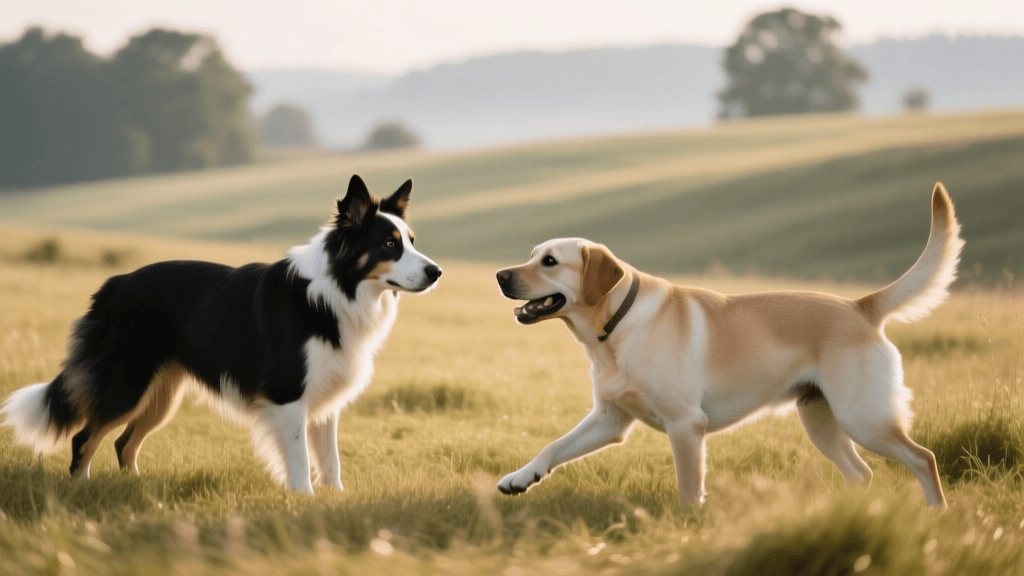
Not all dogs experience cabin fever in the same way. A Border Collie's frustration stems from a lack of movement and control, while a Beagle's frustration stems from a lack of scent trails. Tailoring your indoor activities to your dog's genetic predispositions is the most effective way to alleviate winter boredom.
| Breed Group | Primary Instinct | Winter Indoor Activity | Estimated Cost |
|---|---|---|---|
| Hounds (e.g., Beagles, Coonhounds) | Scent trailing, tracking | Indoor scent trails using anise or birch oil on cotton swabs hidden around the house. | $10 - $15 |
| Terriers (e.g., Jack Russells, Schnauzers) | Digging, shredding, prey drive | 'Destroy Box' filled with safe recyclables (cardboard, paper) and hidden high-value treats. | $0 - $5 |
| Herding (e.g., Collies, Shepherds) | Movement control, problem-solving | Indoor flirt pole sessions and multi-level puzzle toys like the Nina Ottosson Dog Brick. | $20 - $35 |
| Retrievers (e.g., Labs, Goldens) | Carrying, holding, foraging | Frozen Kongs stuffed with kibble and low-sodium broth; 'carrying' tasks like bringing in the mail. | $15 - $20 |
Actionable Indoor Enrichment Strategies
To effectively manage your dog's psychology this winter, implement the following structured enrichment activities. The Humane Society of the United States recommends rotating toys and puzzles to maintain novelty and prevent habituation.
1. The Snuffle Mat Foraging Session
A snuffle mat mimics the act of foraging for food in tall grass. Purchase or make a mat measuring at least 12x18 inches with dense fleece strips. Instead of feeding your dog their morning meal in a bowl, scatter 1 to 1.5 cups of dry kibble deep into the fleece. This forces the dog to use their nose to locate every piece of food. A 15-minute snuffle mat session provides immense cognitive fatigue. Expect to spend around $25 for a high-quality, machine-washable mat.
2. Interactive Puzzle Toys
Invest in tiered puzzle toys. The Outward Hound Nina Ottosson Dog Brick (approximate cost: $20) is an excellent intermediate-level puzzle. It requires the dog to slide compartments, lift flaps, and remove bone-shaped pegs to access treats. To increase the difficulty as your dog masters the puzzle, mix a small amount of dog-safe peanut butter into the compartments and freeze the entire toy for 45 minutes before serving.
3. The Winter 'Destroy Box'
For terriers and high-drive dogs, the urge to shred is a natural predatory sequence component. Take a medium-sized cardboard box and layer it with crumpled paper, empty toilet paper rolls, and egg cartons. Hide a handful of strongly scented treats (like freeze-dried liver) throughout the layers. Allow your dog to tear the box apart to find the rewards. This safely satisfies the 'dissection' phase of the predatory motor pattern. Always supervise this activity to ensure your dog does not ingest large pieces of cardboard.
4. Canine Scent Work (Hide and Seek)
Teach your dog to find a specific scent. Dab a drop of dog-safe essential oil (like sweet birch) on a cotton swab and place it in a small, ventilated tin. Hide the tin in progressively difficult locations around your living room. When the dog locates the tin, mark the behavior with a 'Yes!' and reward with a high-value treat like boiled chicken. This builds confidence and deeply engages the SEEKING system.
Reading Your Dog's Body Language
It is vital to distinguish between a bored dog and an anxious dog, as the interventions differ. Under-stimulation (boredom) often looks like:
- Pacing from room to room with a loose, wagging tail.
- Bringing toys to you repeatedly and dropping them at your feet.
- Destructive chewing on inappropriate items (shoes, furniture legs).
- Excessive vocalization or 'talking' back when spoken to.
Conversely, winter anxiety or stress (often triggered by loud winter storms or changes in household routine) presents differently. Look for calming signals and stress indicators such as whale eye (showing the whites of the eyes), excessive lip licking, yawning when not tired, tucked tail, or a rigid, tense posture. If your dog is displaying anxiety rather than boredom, puzzle toys may cause frustration. Instead, opt for passive enrichment like long-lasting chews (e.g., a 6-inch bully stick) or a lick mat smeared with plain Greek yogurt, as the repetitive licking action releases endorphins that naturally soothe the canine nervous system.
Conclusion
Winter does not have to be a season of frustration for you or your dog. By understanding the psychological need for mental stimulation and olfactory engagement, you can transform your home into a rich, fulfilling environment. Tapping into your dog's breed-specific instincts through targeted indoor activities not only prevents the dreaded cabin fever but also deepens the bond between you and your canine companion, ensuring they remain happy, balanced, and mentally sharp until the spring thaw.
beth-carrasco
All our authors care for dogs every day — read more of their work on the authors page.