Understanding Winter Cabin Fever In Dogs: Behavioral Shifts
Discover how winter affects your dog's psychology and behavior. Learn to manage cabin fever, seasonal anxiety, and shifting instincts with expert tips.
The Psychology of Seasonal Shifts in Canines
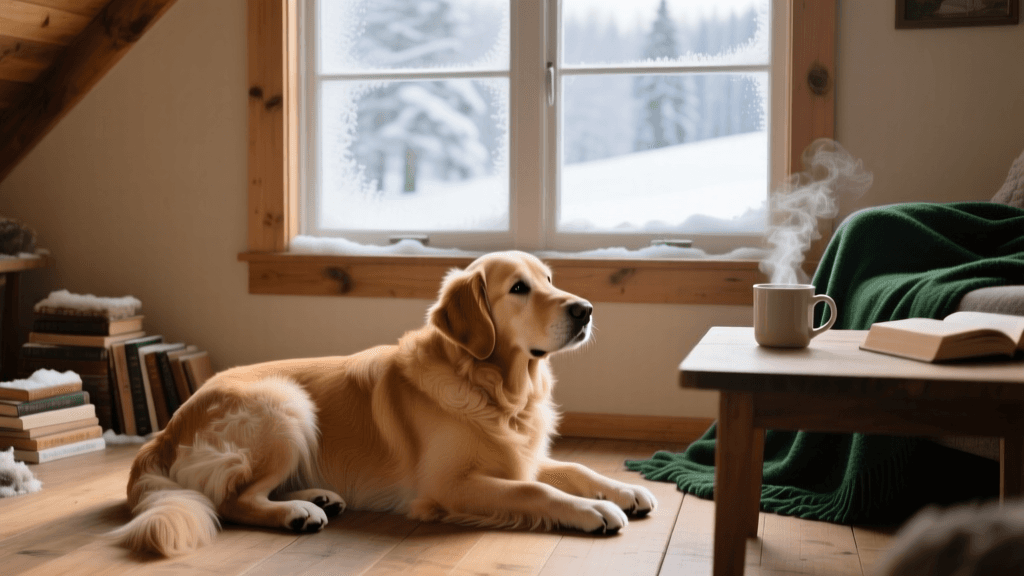
As the vibrant hues of autumn fade into the stark, monochromatic landscape of winter, dog owners typically prepare for the physical challenges of the season. We invest in insulated dog coats, protective paw balms, and heated water bowls. However, the psychological and behavioral impacts of seasonal shifts on our canine companions are frequently overlooked. Dogs are deeply attuned to their environment, and the drastic reduction in daylight, coupled with limited outdoor exploration, can trigger profound behavioral shifts. Understanding the psychology behind "winter cabin fever" is essential for maintaining your dog’s mental well-being during the colder months.
The Neurobiology of Seasonal Behavioral Changes
Like humans, dogs are subject to photoperiodism—the physiological reaction to the length of day and night. As winter approaches and daylight hours dwindle, the canine brain alters its production of key neurotransmitters. Melatonin, the hormone responsible for regulating sleep-wake cycles, increases in response to longer periods of darkness. Conversely, serotonin production, which stabilizes mood and promotes feelings of happiness, often decreases. This neurochemical fluctuation can lead to lethargy, increased anxiety, and a lower threshold for frustration. According to veterinary behaviorists, these hormonal shifts can manifest as apparent depression or sudden reactivity in otherwise stable dogs. Recognizing that your dog’s winter grumpiness may be rooted in biology rather than stubbornness is the first step toward effective seasonal care.
Olfactory Deprivation: The Hidden Winter Stressor
To understand canine psychology, one must understand the canine nose. A dog’s olfactory bulb is proportionally 40 times larger than a human’s, and they possess up to 300 million olfactory receptors. Sniffing is not merely a way for dogs to gather information; it is a primary form of mental stimulation and environmental processing. During heavy snowfall and freezing conditions, the ground becomes blanketed in ice and snow, effectively sealing off the complex tapestry of scents left by wildlife, other dogs, and environmental changes. This phenomenon, known as olfactory deprivation, strips dogs of their primary coping mechanism and cognitive workout. A twenty-minute walk on a snow-covered path provides a fraction of the mental enrichment that the same walk provides in the spring. Consequently, dogs return from winter walks physically exercised but mentally under-stimulated, leading to pent-up cognitive energy.
Recognizing the Signs of Canine Cabin Fever
Because dogs cannot articulate their seasonal malaise, they communicate their psychological distress through body language and behavioral changes. Cabin fever in dogs rarely looks like human boredom; it often presents as anxiety or hyper-arousal. Watch for the following behavioral indicators:
- Destructive Chewing: Targeting baseboards, furniture, or owner’s clothing as a self-soothing mechanism.
- Pacing and Restlessness: Inability to settle, often accompanied by whining or panting indoors.
- Hyper-Vigilance: Overreacting to minor auditory stimuli, such as the furnace clicking on or a neighbor walking past.
- Regression in Training: Suddenly "forgetting" basic cues like "sit" or "stay", or exhibiting a breakdown in house-training protocols.
- Stereotypic Behaviors: Repetitive actions like flank sucking, tail chasing, or shadow staring, which indicate severe environmental under-stimulation.
Breed-Specific Instincts and Seasonal Frustration
The impact of winter confinement is heavily influenced by a dog’s genetic lineage and breed-specific instincts. Working and herding breeds, such as Border Collies, Belgian Malinois, and Australian Shepherds, possess an innate drive to patrol territories and manage movement. When confined indoors, this patrolling instinct can morph into obsessive window-watching or shadow-chasing. Scent hounds, like Beagles and Bloodhounds, suffer acutely from the aforementioned olfactory deprivation, often resorting to vocalization or "singing" out of sheer frustration. Terriers, bred to hunt and dispatch vermin, may redirect their prey drive onto household pets or engage in intense digging behaviors on carpets and rugs. Understanding your dog’s ancestral purpose allows you to tailor indoor enrichment to satisfy those specific genetic urges.
Actionable Strategies for Indoor Mental Enrichment
To combat the psychological toll of winter, owners must pivot from physical exercise to intensive cognitive enrichment. The goal is to replicate the problem-solving and sensory experiences the dog would naturally encounter outdoors. Here are specific, actionable strategies complete with product recommendations and estimated costs:
1. Advanced Foraging and Puzzle Toys
Ditch the standard food bowl. Utilizing puzzle toys forces dogs to use their brains to access calories, mimicking the cognitive effort required for scavenging and hunting. The Nina Ottosson by Outward Hound Dog Brick Interactive Treat Puzzle (approx. $15-$20) is an excellent intermediate-level toy. For advanced problem solvers, the Kong Wobbler ($15-$25) requires the dog to use their paws and nose to dispense kibble, engaging both their mind and their natural paw-targeting instincts.
2. Scent Work and Olfactory Games
Since winter robs dogs of outdoor scents, you must bring the scent work inside. Hide-and-seek with high-value treats (like freeze-dried liver) encourages the dog to use their nose to map the indoor environment. You can also invest in a high-quality Snuffle Mat ($25-$40). By burying dry kibble deep within the fleece strips, you force the dog to forage. Studies show that fifteen minutes of intensive snuffling can lower a dog's heart rate and provide the mental equivalent of a one-hour physical walk.
3. Indoor Agility and Proprioception
Proprioception—the awareness of body position in space—is crucial for canine confidence and neurological health. You do not need a massive backyard to practice this. Using household items or specialized equipment like the FitPAWS Paw Pods ($30-$45), you can guide your dog through slow, controlled movements. Asking your dog to balance their front paws on a stable cushion while pivoting their hindquarters engages their core and tires them out mentally.
4. Lick Mats for Anxiety Reduction
Licking is a naturally soothing behavior for dogs that releases endorphins. Spreading a mixture of plain pumpkin puree, dog-safe peanut butter, and bone broth onto a LickiMat ($10-$15) and freezing it provides a long-lasting, anxiety-reducing activity. This is particularly useful during loud winter storms or when the household is chaotic.
Winter Enrichment Activity Comparison Chart
To help you plan your daily routine, refer to the table below for a breakdown of time commitment, financial investment, and the primary psychological instinct targeted by each activity.
| Activity | Time Required | Estimated Cost | Primary Instinct Targeted |
|---|---|---|---|
| Snuffle Mat Foraging | 15-20 Minutes | $25 - $40 | Scent Tracking / Scavenging |
| Interactive Puzzle Toys | 10-15 Minutes | $15 - $30 | Problem Solving / Cognitive |
| Indoor Proprioception | 20-30 Minutes | $0 (Household items) - $45 | Spatial Awareness / Focus |
| Frozen Lick Mat | 30-45 Minutes | $10 - $15 | Self-Soothing / Anxiety Relief |
| Indoor Hide-and-Seek | 15 Minutes | $5 (Treats) | Olfactory Mapping / Recall |
Managing the Environment and Seeking Professional Guidance
Beyond structured activities, modifying your dog's indoor environment can significantly ease seasonal anxiety. The ASPCA emphasizes the importance of maintaining a consistent routine and providing a safe, draft-free sanctuary for pets during extreme weather (ASPCA Winter Weather Tips). Furthermore, ensuring your home is well-lit during the shorter days can help mitigate the disruptions to your dog's circadian rhythm. Opening blinds during peak sunlight hours or utilizing full-spectrum pet therapy lamps can support healthy serotonin levels.
The American Kennel Club (AKC) emphasizes the importance of structured indoor games and cognitive exercises to maintain your dog's mental sharpness when outdoor excursions are limited (AKC Indoor Games). If your dog exhibits severe behavioral regression, unrelenting anxiety, or destructive behaviors that pose a danger to themselves or your property, it is crucial to consult a certified veterinary behaviorist. Sudden behavioral changes should always be evaluated to rule out underlying medical conditions exacerbated by the cold, such as osteoarthritis, which can make dogs irritable and less tolerant of handling.
Environmental enrichment is a powerful tool, but as VCA Hospitals outlines, it must be paired with proper behavioral diagnostics to ensure a comprehensive approach to canine mental health (VCA Canine Enrichment).
"A tired dog is a good dog, but a mentally fulfilled dog is a balanced dog. Winter is not a time to pause training and enrichment; it is an opportunity to deepen your bond through cognitive engagement."
Conclusion
Understanding your dog’s psychological response to seasonal changes transforms winter from a period of mutual frustration into an opportunity for cognitive growth. By acknowledging the neurobiological impacts of reduced daylight, compensating for olfactory deprivation, and providing targeted, breed-specific mental enrichment, you can effectively banish cabin fever. Embrace the indoor season with intentional activities, and you will emerge in the spring with a sharper, more connected, and psychologically resilient canine companion.
priya-sutaria
All our authors care for dogs every day — read more of their work on the authors page.