Best Puzzle Toys to Satisfy Canine Foraging Instincts
Discover how puzzle toys satisfy your dog's natural foraging instincts. Read our buyer's guide to the best cognitive enrichment toys for mental health.
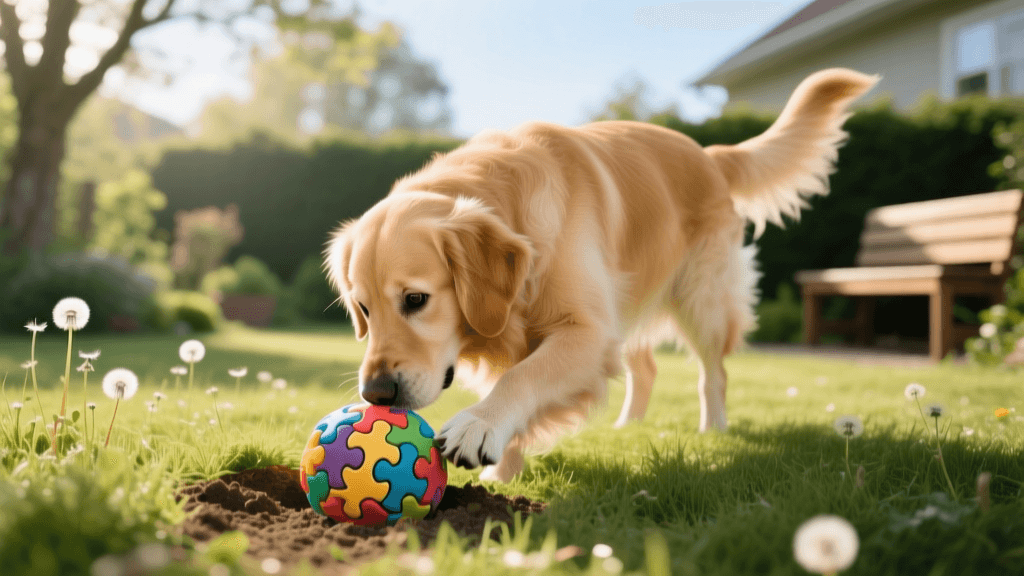
The Evolutionary Psychology of Canine Foraging
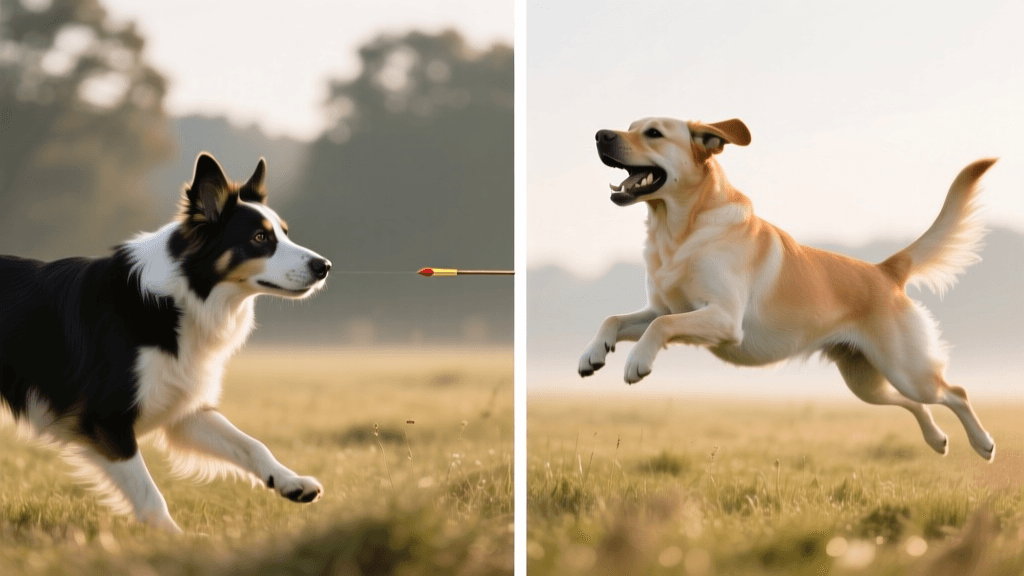
Before dogs were domesticated and served kibble in stainless steel bowls, their ancestors spent up to 80% of their waking hours scavenging, hunting, and foraging for food. This deep-seated evolutionary trait remains hardwired into the modern domestic dog's brain. When we feed our dogs from a bowl in under two minutes, we are robbing them of a crucial behavioral outlet. Understanding your dog means recognizing that eating is not just about nutrition; it is a cognitive exercise.
According to the Humane Society of the United States, utilizing food puzzles mimics natural foraging behaviors, significantly reducing common behavioral issues such as excessive barking, chewing, and digging. These destructive behaviors are often symptoms of profound boredom and unfulfilled instinctual drives.
Why Mental Enrichment is Crucial for Canine Behavior
Canine psychologists and veterinary behaviorists frequently note that mental fatigue is just as exhausting for a dog as physical exercise. A 15-minute session of intense sniffing and problem-solving can tire a dog out as much as a one-mile walk. The olfactory cortex in a dog's brain is proportionally much larger than in humans, meaning scent-based foraging provides massive neurological stimulation.
When dogs are denied the opportunity to work for their food, they may develop anxiety or hyperactivity. The American Kennel Club (AKC) emphasizes that interactive puzzle toys are essential tools for cognitive enrichment, helping to build confidence in shy dogs and focus in hyperactive ones. By engaging their brains, you are actively participating in their psychological well-being.
The Role of Scent in Canine Cognition
To truly understand your dog, you must understand how they perceive the world. While humans are highly visual creatures, dogs experience the universe primarily through their noses. A dog's olfactory bulb is roughly 40 times larger than a human's relative to brain size, and they possess up to 300 million olfactory receptors compared to our mere 6 million. When a dog sniffs, they are not just smelling; they are processing complex chemical data, which requires immense cognitive energy.
Foraging toys that emphasize scent work tap directly into this neurological superpower. The act of sniffing naturally lowers a dog's pulse rate and releases dopamine, the brain's reward chemical. This is why scent-based enrichment is frequently recommended by veterinary behaviorists as a primary intervention for dogs suffering from generalized anxiety or hyperarousal.
Buyer's Guide: How to Choose the Right Puzzle Toy
Not all puzzle toys are created equal, and selecting the wrong one can lead to frustration rather than enrichment. When shopping for cognitive enrichment tools, consider the following factors:
- Difficulty Level: Start with Level 1 (easy) toys. If a puzzle is too hard, your dog will experience frustration and may resort to destroying the toy to get the food.
- Material Safety: Look for BPA-free, phthalate-free, and non-toxic materials. Dogs will be chewing and licking these items extensively.
- Cleanability: Wet food and peanut butter can harbor bacteria. Ensure the toy is dishwasher safe or easy to disassemble and wash.
- Size and Breed Suitability: A Chihuahua requires a completely different puzzle mechanism and size compared to a Mastiff to prevent choking hazards.
Top 5 Puzzle Toys Reviewed for Canine Enrichment
Below is our curated comparison chart of the best puzzle toys on the market, categorized by their psychological benefits and difficulty levels.
| Toy Name | Best For | Difficulty | Material | Est. Cost |
|---|---|---|---|---|
| Kong Classic | Beginners and Chewers | Level 1 | Natural Rubber | $15 - $20 |
| Nina Ottosson Dog Brick | Intermediate Problem Solvers | Level 2 | BPA-Free Plastic | $25 - $30 |
| West Paw Toppl | Active Foragers and Chewers | Level 1-2 | Zogoflex | $20 - $25 |
| Wooly Snuffle Mat | Scent Hounds and Fast Eaters | Level 1 | Polar Fleece | $30 - $40 |
| Kibble Nibble | High-Energy Dogs | Level 2 | Polycarbonate | $20 - $25 |
1. Kong Classic: The Foundational Foraging Tool
The Kong Classic is the gold standard for introductory canine enrichment. Its unpredictable bounce pattern engages a dog's prey drive, while the hollow center allows you to stuff it with kibble, wet food, or dog-safe peanut butter. Pro Tip: For dogs with separation anxiety, freeze the stuffed Kong overnight. The frozen treat will take 30-45 minutes to consume, providing a crucial distraction window when you leave the house.
2. Outward Hound Nina Ottosson Dog Brick
Designed by canine puzzle pioneer Nina Ottosson, the Dog Brick features sliding blocks, flip lids, and removable bone covers. This toy requires your dog to use a combination of pawing and nosing to uncover hidden treats. It is excellent for teaching impulse control and sequential problem-solving. Ensure you supervise your dog initially to ensure they do not attempt to chew the plastic sliding pieces.
3. West Paw Toppl: The Interlocking Marvel
The Toppl is a unique, cup-shaped toy with inner prongs that hold kibble and treats. The true magic happens when you buy two different sizes (Large and Small) and interlock them, creating a complex, 3D puzzle that requires serious manipulation. Made from West Paw's proprietary Zogoflex material, it is incredibly durable, buoyant, and dishwasher safe, making it a hygienic choice for daily feeding.
4. The Wooly Snuffle Mat: Tapping into Olfactory Psychology
For scent hounds like Beagles and Basset Hounds, the Snuffle Mat is a psychological masterpiece. By hiding dry kibble deep within the strands of a fleece mat, you force your dog to rely entirely on their olfactory senses rather than their eyesight. This mimics the natural behavior of sniffing out food in tall grass. It is highly effective for slowing down fast eaters and lowering a dog's heart rate through focused scent work.
5. Kibble Nibble: For the Kinesthetic Learner
Some dogs are highly kinetic and prefer to use their whole body to interact with their environment. The Kibble Nibble is an egg-shaped dispenser that requires the dog to bat, roll, and chase the toy across the floor to dispense kibble through adjustable openings. This is ideal for high-energy working breeds that need to burn off physical energy while simultaneously engaging their foraging instincts.
How to Transition Your Dog from a Bowl to a Puzzle
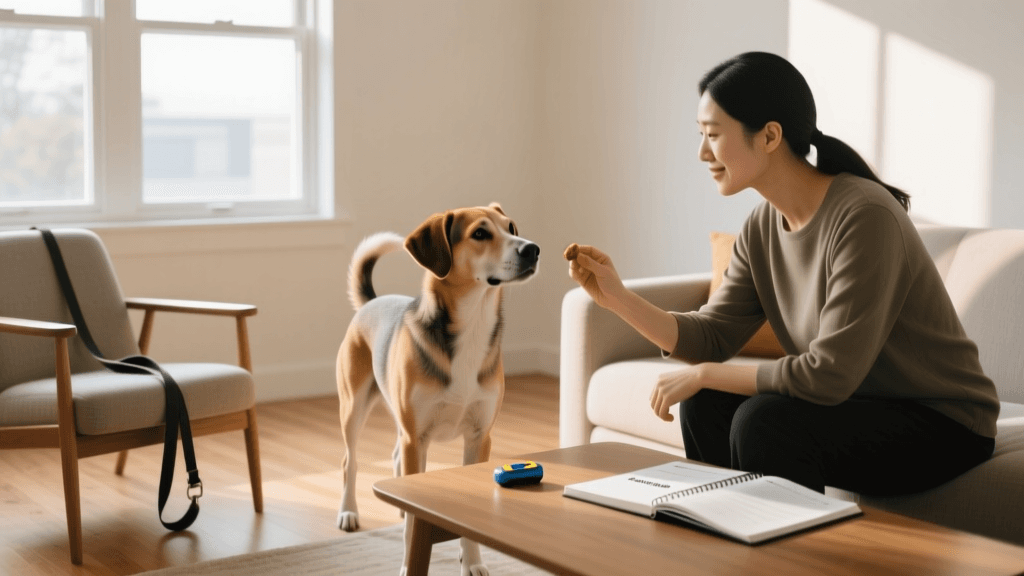
Understanding your dog's psychology means recognizing that sudden changes can cause stress. Do not throw away their food bowl and replace it with a Level 3 puzzle on day one. Follow this actionable transition plan:
- Week 1 (The Introduction): Feed 80% of their meals in the regular bowl and 20% in an easy puzzle like the Kong or Snuffle Mat. This builds positive associations with the toy.
- Week 2 (Increasing the Challenge): Shift to a 50/50 split. Introduce slightly more complex toys like the Dog Brick, but leave the sliders partially open so the reward is easily visible and accessible.
- Week 3 (Full Enrichment): Transition 100% of their daily kibble allowance into various puzzle toys. Always deduct the calories used in puzzles from their daily meal allowance to prevent obesity.
According to veterinary behaviorists at VCA Hospitals, many common behavioral problems stem from a lack of appropriate outlets for natural behaviors. By integrating puzzle toys into your dog's daily routine, you are not just feeding them; you are fulfilling a deep-seated psychological need, resulting in a calmer, happier, and more balanced companion.
robin-maitland
All our authors care for dogs every day — read more of their work on the authors page.