Why Do Dogs Lick Their Paws? Top Questions Answered
Discover why dogs lick their paws with answers to Google's most-asked questions. Learn causes, home remedies, and when to see a vet.

Every single day, thousands of concerned pet parents turn to search engines with a common, often frustrating question: Why is my dog constantly licking their paws? While an occasional grooming session is a normal part of canine hygiene, obsessive paw licking can be a red flag for underlying medical or behavioral issues. As a senior writer for Paws-Tales, I have analyzed Google's most-asked questions regarding canine paw licking to bring you this comprehensive, actionable guide. Whether you are dealing with seasonal allergies, anxiety, or a hidden injury, understanding the psychology and physiology behind this behavior is the first step toward providing your furry friend with relief.
Is It Normal for My Dog to Lick Their Paws?
The short answer is yes, but with a major caveat. Dogs use their tongues to clean themselves, and a quick lick of the paws after a walk or a meal is entirely normal. However, according to the American Kennel Club (AKC), when the licking becomes frequent, intense, or results in red, inflamed, or hairless skin, it crosses the line from normal grooming to a symptom of a larger problem. Dogs do not have sweat glands in their paw pads like humans do, but they do have a high concentration of nerve endings. Licking releases endorphins in a dog's brain, which acts as a self-soothing mechanism. This means that while licking might start as a response to an itch, it can quickly become a compulsive habit that provides temporary psychological comfort.
Why Does My Dog Lick Their Paws at Night?
One of the most frequently searched queries is why dogs seem to target their paws specifically at night or when settling down to sleep. There are two primary reasons for this nocturnal behavior. First, daytime distractions are gone. When the house is quiet and your dog is lying on their bed, they become hyper-aware of minor itches or discomforts that they might have ignored while playing or walking. Second, inflammatory responses in the body often peak in the evening. If your dog suffers from environmental allergies, histamine levels can rise at night, making their paws feel incredibly itchy. Finally, from a psychological standpoint, licking is a wind-down behavior. Just as some humans bite their nails or twirl their hair when tired, dogs may lick their paws to self-soothe and trigger the release of calming endorphins before sleep.
What Are the Most Common Causes of Paw Licking?
To effectively stop the behavior, you must identify the root cause. Below is a structured comparison chart detailing the primary reasons dogs lick their paws, complete with estimated costs and actionable first steps.
| Underlying Cause | Primary Symptoms | Estimated Treatment Cost | First-Line Action Plan |
|---|---|---|---|
| Environmental Allergies (Atopy) | Redness between toes, rust-colored fur staining, seasonal flare-ups | $50 - $150 (Vet visit & Apoquel/Cytopoint) | Wipe paws with a damp microfiber cloth after every outdoor walk. |
| Food Allergies | Year-round itching, ear infections, gastrointestinal upset | $80 - $200 (Prescription elimination diet) | Transition to a novel protein diet (e.g., venison or rabbit) for 8-12 weeks. |
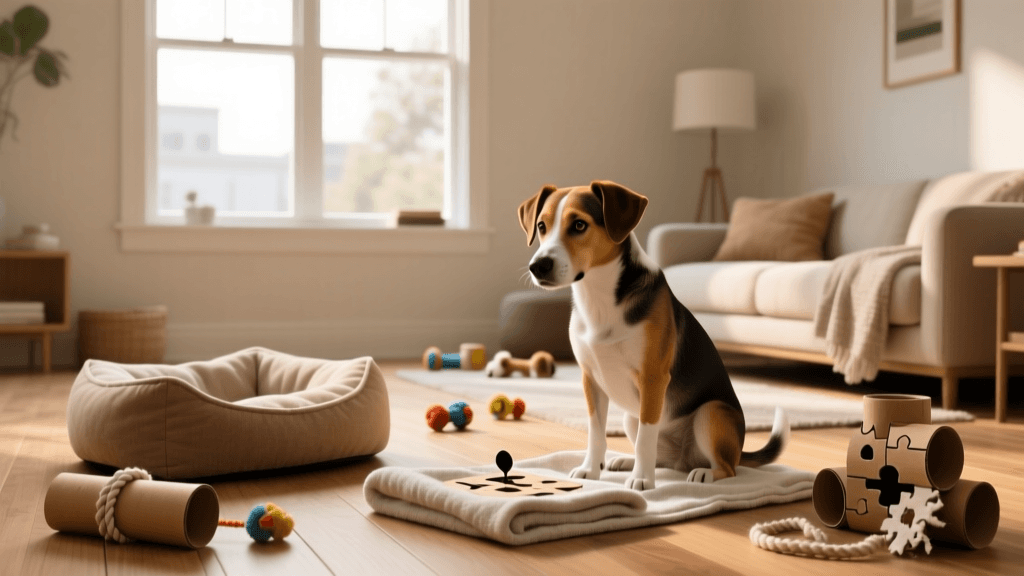
| Anxiety or Boredom | Licking only when left alone or during thunderstorms, no physical redness | $20 - $60 (Enrichment toys & calming supplements) | Increase daily physical exercise and introduce puzzle feeders like the Kong Classic. |
| Injury or Foreign Body | Limping, sudden onset of licking one specific paw, swelling | $100 - $300 (Vet exam & minor wound care) | Inspect paw pads and between toes for burrs, glass, or torn nails. |
Environmental and Food Allergies
Allergies are the undisputed leading cause of paw licking in dogs. Dogs absorb environmental allergens like pollen, mold, and dust mites directly through their paw pads. When they walk through grass, these microscopic irritants cling to their feet, triggering an immune response that manifests as intense itching. Food allergies, though less common than environmental ones, also frequently present as paw licking. Proteins like chicken, beef, and dairy are the most common culprits. If you suspect allergies, a veterinary dermatologist can perform intradermal skin testing or recommend a strict elimination diet.
Canine Compulsive Disorders and Anxiety
Just as humans develop nervous tics, dogs can develop canine compulsive disorders. Veterinary behaviorists at VCA Animal Hospitals note that repetitive licking can become a hardwired neurological loop. If a dog is under-stimulated, experiencing separation anxiety, or living in a high-stress environment, they will lick their paws to cope. The ASPCA emphasizes that punishing a dog for compulsive licking will only increase their anxiety and worsen the behavior. Instead, the focus must be on environmental enrichment, structured routines, and positive reinforcement training.
Pain, Injury, or Foreign Objects
If your dog is obsessively licking only one paw, suspect a localized issue. Dogs step on thorns, hot pavement, ice melt chemicals, and sharp rocks. A torn nail, a cracked paw pad, or a foxtail weed embedded between the toes will cause immediate, focused licking. Always inspect the affected paw in a well-lit area, checking carefully between the toe webbing where foreign objects love to hide.
How Do I Stop My Dog From Licking Their Paws Raw?
Stopping the cycle of licking requires a multi-pronged approach that addresses both the physical itch and the behavioral habit. Here are specific, actionable products and strategies you can implement today:
- Deterrent Sprays: Products like Grannick's Bitter Apple Spray ($8 to $15) utilize a safe, non-toxic bitter taste to discourage chewing and licking. Apply it directly to the fur around the paws twice daily. Note that some dogs do not mind the taste, so monitor their reaction.
- Physical Barriers: Traditional plastic Elizabethan collars (the 'cone of shame') can cause stress and limit mobility. Instead, opt for an inflatable recovery collar ($20 to $30) or breathable cotton paw sleeves. These allow your dog to eat and sleep comfortably while physically blocking access to their paws.
- Mental Enrichment: If the licking is rooted in boredom, redirect that energy. Freeze low-sodium chicken broth inside a Kong Classic toy ($15 to $25). Licking the frozen broth out of the toy satisfies their natural urge to lick while providing mental stimulation and a cooling effect for inflamed gums and minds.
- Allergy Wipes: Keep a pack of hypoallergenic pet wipes (like Earthbath Allergy Relief Wipes, around $12) by your front door. Wiping your dog's paws the second they come inside removes pollen and chemicals before they can trigger an allergic response.
Are There Safe Home Remedies for Paw Licking?
While severe cases require veterinary intervention, mild irritation can often be managed at home with safe, cost-effective remedies.
Epsom Salt Soaks
Epsom salt (magnesium sulfate) is excellent for reducing inflammation and drawing out minor infections. Fill a shallow basin with one gallon of warm water and dissolve half a cup of pure, unscented Epsom salt. Have your dog stand in the basin for exactly 5 minutes. Do not rinse the paws afterward; simply towel dry them thoroughly. You can do this once a day for up to a week. The cost is minimal, usually under $5 for a large bag of Epsom salt.
Apple Cider Vinegar Rinse
Apple cider vinegar (ACV) has natural antifungal and antibacterial properties, making it ideal for dogs with yeast overgrowth on their paws (often characterized by a 'corn chip' smell). Mix a solution of 50% raw, unfiltered ACV and 50% purified water. You can either spray this onto the paws or use it as a quick dip. Warning: Never use ACV on raw, open, or bleeding skin, as it will cause severe stinging and distress.
Paw Balms and Waxes
Dry, cracked paw pads are incredibly itchy. Applying a high-quality paw balm creates a protective barrier against harsh weather and rough terrain. Musher's Secret Dog Paw Wax ($15 to $25) is an industry favorite made from food-grade waxes and oils. Massage a small amount into the paw pads and between the toes right before bedtime. To prevent them from immediately licking it off, put a pair of clean baby socks on their paws for 20 minutes to allow the wax to absorb.
When Should I Take My Dog to the Vet?
Home remedies and behavioral redirection are excellent first steps, but you must know when to call in the professionals. Schedule a veterinary appointment if you notice any of the following warning signs:
- The paw is visibly swollen, hot to the touch, or oozing pus (signs of a bacterial or yeast infection).
- Your dog is limping or refusing to put weight on the affected leg.
- The fur around the paw is completely stained a rusty red/brown color, indicating chronic saliva exposure and potential secondary infections.
- The licking is accompanied by other symptoms like vomiting, diarrhea, or severe lethargy.
- You have tried home remedies and physical barriers for two weeks with no improvement.
A veterinarian can prescribe targeted medications such as Apoquel for rapid itch relief, antibiotics for secondary skin infections, or refer you to a veterinary behaviorist for severe anxiety-related compulsions.
Final Thoughts on Canine Paw Licking
Understanding why your dog licks their paws requires looking past the behavior and identifying the root cause—whether it is an environmental allergy, a hidden thorn, or a cry for mental stimulation. By utilizing the actionable advice, structured routines, and specific products outlined in this guide, you can help break the cycle of obsessive licking. Remember, your dog's paws are their connection to the world; keeping them healthy, clean, and comfortable is one of the most important aspects of responsible dog ownership. Always consult with your trusted veterinarian before starting any new medical or dietary regimen to ensure the safest, happiest life for your canine companion.
priya-sutaria
All our authors care for dogs every day — read more of their work on the authors page.