Why Does My Dog Follow Me Everywhere? Velcro Dog Psychology
Discover why your dog follows you everywhere, including to the bathroom. We answer Google's top questions on velcro dog psychology and separation anxiety.
The Evolutionary Psychology: Why Dogs Shadow You
Every dog owner has experienced the familiar sound of paws clicking on the hardwood floor, trailing just a few steps behind them from the kitchen to the bedroom. If you frequently find yourself asking, "Why does my dog follow me everywhere?" you are not alone. This phenomenon, often referred to as having a "velcro dog," is one of the most common behavioral quirks noted by pet parents. To truly understand this behavior, we must look beyond simple affection and delve into canine evolutionary psychology, breed instincts, and the neurochemistry of the human-animal bond.
At their core, dogs are obligate social animals. Unlike cats, which evolved as solitary hunters, the ancestors of modern dogs relied on pack cohesion for survival. Following the leader or staying close to the family unit was not just a social preference; it was a vital survival mechanism. When your dog shadows you, they are acting on a deeply ingrained evolutionary instinct that tells them safety, resources, and social fulfillment are found in proximity to their pack members. According to the American Kennel Club (AKC), this pack mentality translates directly to the modern home environment, where you are the center of your dog's social universe.
Google's Most-Asked: Why Does My Dog Follow Me to the Bathroom?
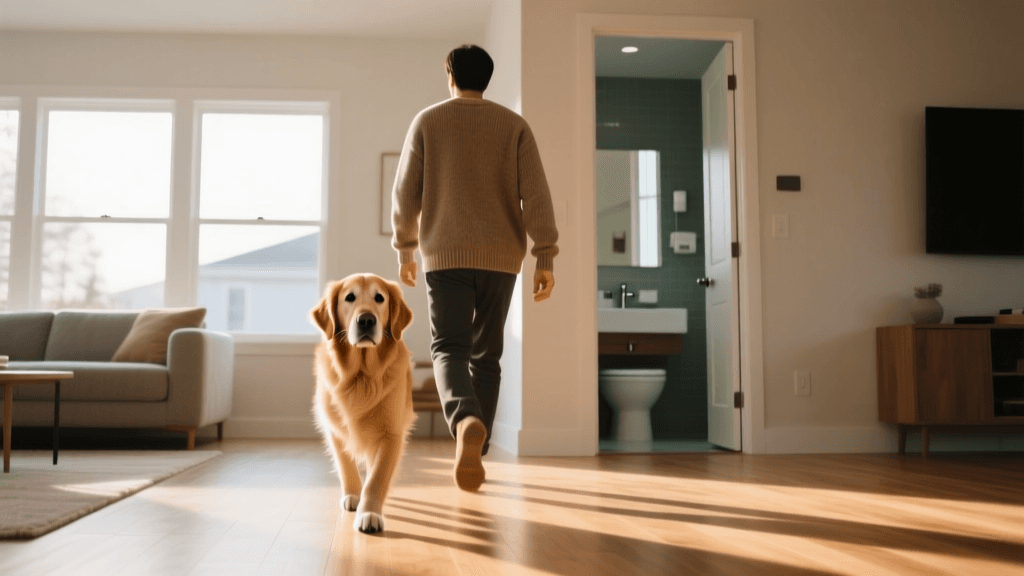
Among the most searched canine behavior questions on Google is a rather specific and amusing one: "Why does my dog follow me to the bathroom?" While it might feel like an invasion of privacy, your dog's motivation is rooted in vulnerability and protection. In the wild, eliminating waste is a moment of extreme vulnerability for a predator. By following you into a small, enclosed room and standing guard, your dog is performing a protective duty. They are ensuring that while you are "vulnerable," a pack member is watching your back.
Additionally, dogs suffer from a canine version of FOMO (Fear Of Missing Out). Closed doors represent a barrier to their environment, and dogs are naturally curious investigators. A closed bathroom door disrupts their ability to monitor their territory and their favorite human, prompting them to scratch, whine, or push their way inside to re-establish their visual and spatial connection with you.
The Science of the Mutual Gaze and Oxytocin
Following you around is also heavily tied to neurochemistry. A landmark 2015 study published in Science revealed that when dogs and their owners engage in mutual gazing, both species experience a significant spike in oxytocin—the "love hormone" associated with bonding and trust. Your dog follows you because your mere presence, and the subsequent eye contact and casual petting that occurs when they sit at your feet, literally triggers a chemical reward system in their brain. They are quite literally addicted to the neurochemical comfort you provide.
Breed Instincts: Are Some Dogs Genetically Programmed to Shadow You?
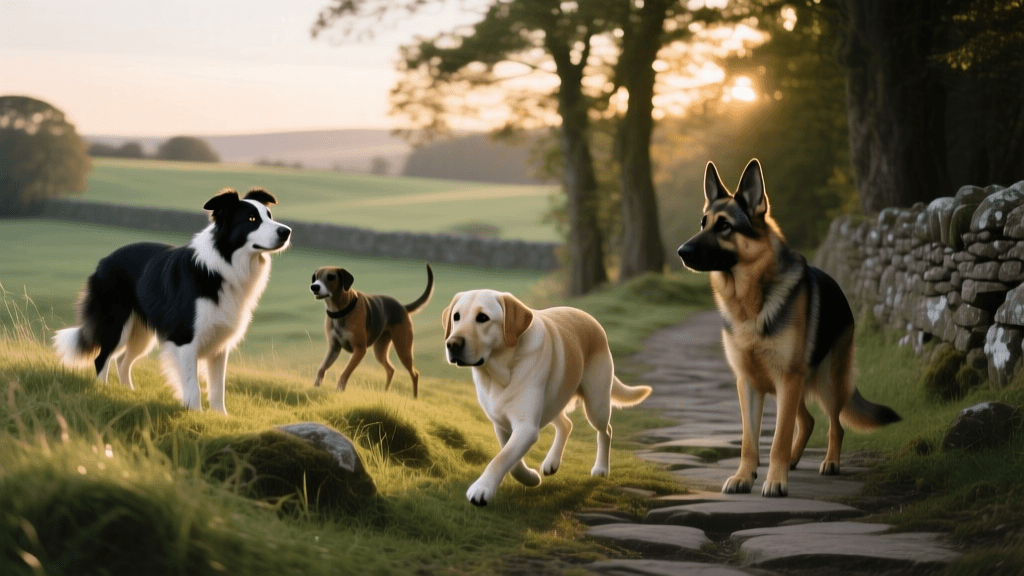
While any dog can become a velcro dog, genetics play a massive role in how closely your pup feels the need to shadow you. Herding breeds and toy breeds, in particular, have been selectively bred for centuries to work in tandem with humans or to serve as constant lap companions. Conversely, livestock guardian breeds or scent hounds were bred to work independently at great distances from their handlers.
Below is a comparison chart detailing how breed origins influence shadowing behaviors:
| Breed Category | Example Breeds | Shadowing Tendency | Psychological Driver |
|---|---|---|---|
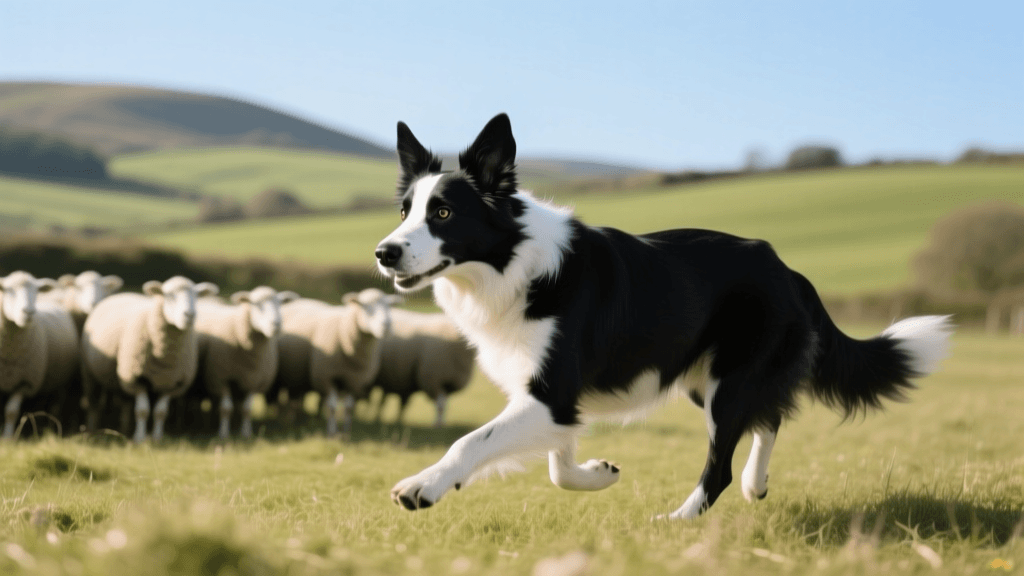
| Herding | Border Collie, German Shepherd | Extremely High | Bred to closely monitor and control the movement of their "flock" (you). |
| Toy / Companion | Pug, Cavalier King Charles | Very High | Selectively bred for hundreds of years specifically for lap-sitting and constant companionship. |
| Sporting / Retrievers | Golden Retriever, Labrador | High | Bred to work cooperatively with human hunters, requiring constant visual contact and readiness. |
| Scent Hounds | Beagle, Bloodhound | Low to Moderate | Bred to follow a trail independently, often out of the handler's immediate sight. |
| Livestock Guardians | Great Pyrenees, Anatolian | Low | Bred to make independent decisions and patrol large perimeters without human direction. |
Normal Attachment vs. Separation Anxiety
A critical question frequently asked by concerned owners is: "Is my dog following me because they love me, or do they have separation anxiety?" It is vital to distinguish between a healthy velcro dog and a dog suffering from clinical anxiety. According to the ASPCA, separation anxiety is a severe behavioral condition characterized by extreme panic when the dog is left alone or separated from their primary attachment figure.
Key Differences to Monitor:
- The Healthy Velcro Dog: Follows you room-to-room but can settle down on their own bed if you are in the same room. They do not panic when you leave the house, provided they have been properly conditioned to alone time.
- The Anxious Dog: Paces, pants, whines, or attempts to block you from leaving. When left alone, they may exhibit destructive behavior (specifically targeted at exit points like doors and windows), inappropriate elimination, or relentless vocalization. They cannot settle down even if you are just sitting on the couch.
If your dog exhibits the latter symptoms, the Humane Society strongly recommends consulting a certified veterinary behaviorist, as clinical anxiety often requires a combination of behavioral modification and pharmacological intervention.
Practical Training: How to Encourage Canine Independence
If your dog's shadowing behavior is bordering on clingy, or if you simply need to cook dinner without tripping over your pup, you can actively foster independence. Building confidence and teaching your dog that "alone time" is rewarding requires specific tools, timing, and consistency.
1. The "Place" Command Protocol
Teaching a solid "Place" command gives your dog a job to do that doesn't involve following you. Use an elevated cot or a specific mat. Start by luring them onto the mat with a high-value treat (like freeze-dried liver). Timing: Reward every 3 seconds for staying on the mat while you are standing next to it. Over the course of two weeks, gradually increase the distance you step away and the duration between treats, moving to a variable-ratio reward schedule.
2. Strategic Product Investments
To keep your dog engaged in a different room, invest in enrichment tools that promote independent problem-solving. Here are specific, actionable product recommendations with estimated costs:
- Snuffle Mat ($20 - $35): Mimics foraging in tall grass. Hide 1/2 cup of your dog's daily kibble into the mat. This engages their olfactory senses and can tire them out mentally, keeping them anchored in one spot for 15-20 minutes.
- Kong Wobbler ($15 - $25): Unlike the classic rubber Kong, the Wobbler requires the dog to bat it around to dispense food. It encourages physical movement and independent play in a designated "dog zone" away from the kitchen.
- Furbo 360 Dog Camera ($150 - $200): If your shadowing stems from mild anxiety when you leave the house, this camera allows you to monitor them, speak through two-way audio, and toss treats remotely to reinforce calm, independent resting behavior.
- Zesty Paws Calming Bites ($25 - $30): For dogs that struggle to settle when you are out of sight, these supplements contain L-theanine, chamomile, and hemp seed to naturally promote relaxation without sedation. Administer 30-45 minutes before you need to enforce independent time.
3. Desensitizing Departure Cues
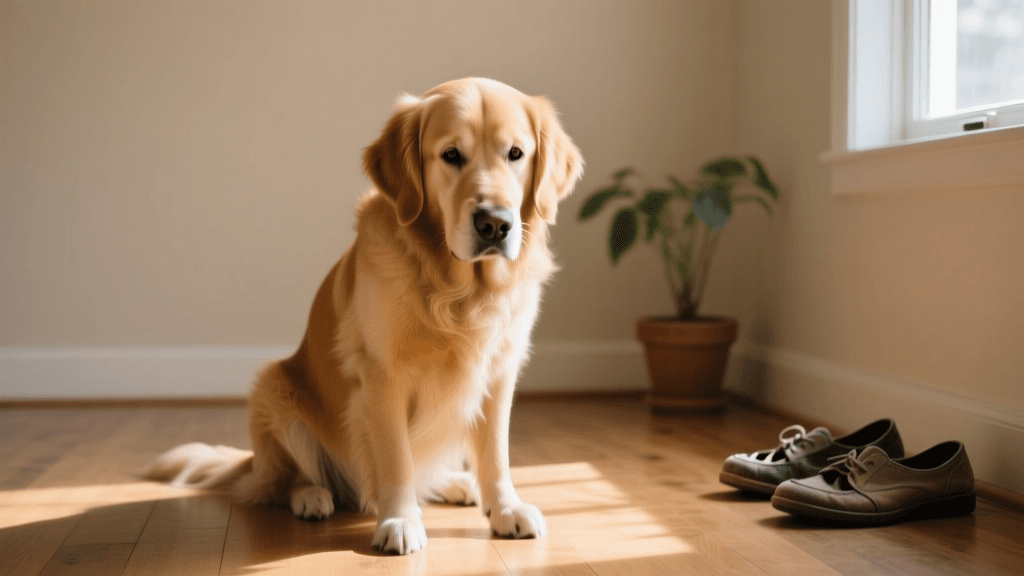
Dogs are masters of associative learning. They know that picking up your keys or putting on shoes means you are leaving, which triggers the shadowing behavior. Spend 10 minutes a day picking up your keys, then sitting back down on the couch. Put on your coat, then take it off and make a cup of coffee. By stripping the predictive value from these cues, your dog will stop reacting with frantic following behavior every time you move toward the door.
Summary: Embracing the Bond While Setting Boundaries
Ultimately, a dog that follows you everywhere is a dog that views you as their ultimate source of security, joy, and guidance. While it is a profound compliment to your relationship, ensuring your dog has the confidence to rest independently is crucial for their long-term mental health and your own sanity.
"A well-adjusted dog knows how to be part of your world, but also knows how to be comfortable in their own skin when you aren't right beside them. Independence is not a lack of love; it is the highest form of canine confidence."
By utilizing structured training, engaging enrichment products, and understanding the deep evolutionary roots of their behavior, you can help your velcro dog find the perfect balance between loving companionship and self-assured independence.
tom-renshaw
All our authors care for dogs every day — read more of their work on the authors page.