Why Do Dogs Lick Their Paws? Top Questions Answered
Discover why dogs lick their paws, from allergies to anxiety. Get actionable tips, product recommendations, and vet advice to soothe your pup's paws.
Why Do Dogs Lick Their Paws? Google’s Most-Asked Questions Answered
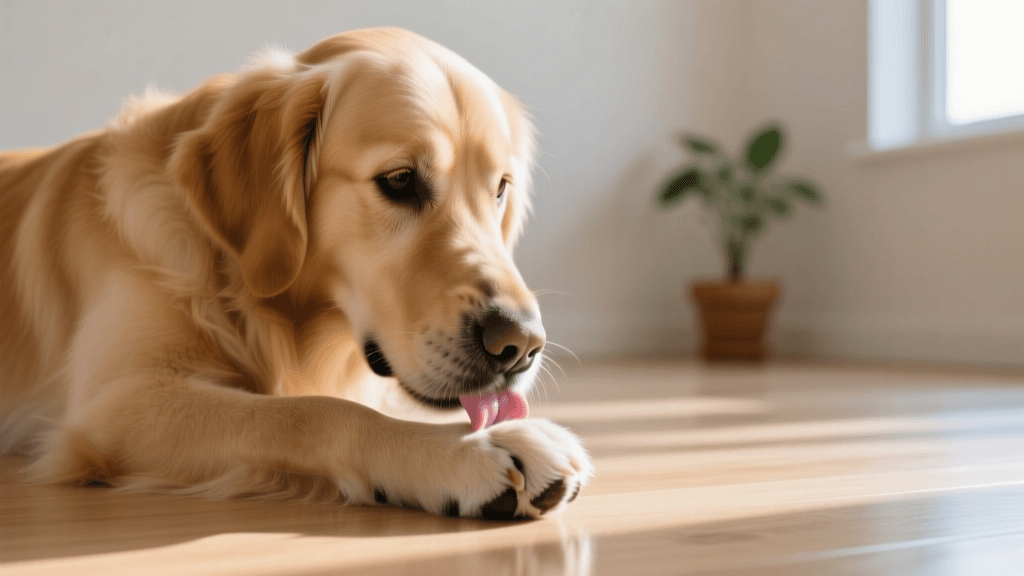
If you have ever typed “why does my dog lick his paws” into a search engine at 2:00 AM, you are not alone. Paw licking is one of the most common canine behaviors, and it is a frequent source of concern for pet parents. While an occasional grooming session is perfectly normal, obsessive paw licking can quickly lead to raw skin, secondary bacterial infections, and significant discomfort for your furry friend.
As a senior canine behaviorist and dog care expert, I have analyzed Google’s “People Also Ask” data to bring you the definitive, science-backed guide to canine paw licking. Below, we break down the psychology, medical triggers, and exact actionable steps—including specific products, measurements, and costs—to help your dog find relief.
Is It Normal for Dogs to Lick Their Paws?
Yes, in moderation. Dogs use their tongues much like we use our hands and washcloths. After a walk, a dog may spend a few minutes licking their paws to remove dirt, debris, or environmental irritants like pollen or road salt. This is a normal part of the canine grooming repertoire.
However, the line between normal grooming and problematic behavior is defined by frequency, intensity, and duration. If your dog is licking their paws to the point of interrupting sleep, ignoring favorite toys, or causing hair loss (often manifesting as a rusty-red stain on the fur caused by porphyrins in their saliva), the behavior has crossed into a medical or psychological issue that requires intervention.
Google's Most-Asked Questions: Why Is My Dog Licking His Paws Raw?
When users search for answers, they are usually dealing with a dog in distress. According to the American Kennel Club (AKC), chronic paw licking is rarely just a “bad habit.” It is almost always a symptom of an underlying issue. Here are the top four culprits:
1. Environmental and Food Allergies (Atopic Dermatitis)
Allergies are the number one cause of itchy paws. Dogs sweat and react to allergens primarily through their skin, and the paws are highly sensitive. Environmental triggers like grass, mold, and dust mites cause localized histamine reactions. Food allergies (commonly to proteins like chicken or beef) can also manifest as itchy feet.
2. Hidden Pain or Orthopedic Issues
Dogs are stoic creatures. If your dog is licking exclusively at one specific paw or joint, they may be trying to soothe localized pain. This could be a thorn embedded in the pad, a torn nail, a bee sting, or even deeper orthopedic issues like arthritis or a ligament tear. Licking releases endorphins in the canine brain, acting as a natural, temporary painkiller.
3. Anxiety, Boredom, and Compulsive Behaviors
Just as humans might bite their nails when stressed, dogs can develop compulsive licking disorders. The VCA Animal Hospitals notes that repetitive licking can become a self-soothing mechanism for dogs suffering from separation anxiety, lack of mental stimulation, or environmental stressors. Over time, the brain forms a neurological loop, turning a coping mechanism into a compulsive disorder.
4. Winter Weather and Dry Skin
Cold weather, ice-melting chemicals, and indoor heating strip the natural moisture from a dog’s paw pads, leading to cracking, peeling, and intense itching. Dogs will lick to try and moisturize the area, which ironically introduces excess saliva and makes the dryness worse.
Quick Reference Chart: Paw Licking Causes vs. Actionable Solutions
Use this structured guide to identify the likely cause of your dog's paw licking and the immediate steps you can take.
| Underlying Cause | Key Signs to Look For | Actionable Solution | Estimated Cost |
|---|---|---|---|
| Environmental Allergies | Redness between toes, seasonal flare-ups, face rubbing | Hypoallergenic paw wipes after every walk; vet-prescribed Apoquel or Cytopoint | $15 (wipes) / $80+ (meds) |
| Hidden Pain / Injury | Licking only one paw, limping, reluctance to jump | Visual inspection with a flashlight; vet visit for X-rays or pain management | $50 - $250 (vet exam & X-rays) |
| Anxiety / Boredom | Licking when left alone, licking before sleep, no physical redness initially | Interactive puzzle toys, Lickimats, structured 30-min sniffaris | $12 - $25 (enrichment toys) |
| Winter Dryness / Chemicals | Cracked pads, peeling skin, licking immediately after coming indoors | Paw balms (e.g., Musher's Secret), dog booties for outdoor walks | $18 (balm) / $25 (booties) |
Your Step-by-Step Action Plan to Stop the Licking
To break the licking cycle, you must address both the physical irritation and the behavioral loop. Follow this actionable protocol to soothe your dog's paws and protect their skin.
Step 1: The 5-Minute Epsom Salt Soak
If your dog’s paws are red and inflamed from outdoor allergens or minor irritants, an Epsom salt soak can draw out toxins and reduce swelling.
- Measurement: Mix 1/4 cup of plain, unscented Epsom salt into 1 gallon of warm (not hot) water.
- Timing: Soak each paw for exactly 3 to 5 minutes. You can do this in a shallow basin or use a dedicated paw-soaking cup like the Dexas MudBuster ($15).
- Crucial Step: Pat the paws completely dry with a microfiber towel. Moisture trapped between the toes breeds yeast, which will make the itching worse.
Step 2: Apply a High-Quality Paw Barrier
Once the paws are clean and dry, apply a protective barrier to lock in moisture and block allergens. Musher’s Secret Paw Wax ($18 for a 7-oz tub) is the industry gold standard. It is made of 100% natural food-grade waxes and oils. Apply a generous layer, massaging it into the pads and between the toes. Reapply every 48 hours during winter, or 15 minutes before walking on hot summer pavement.
Step 3: Interrupt the Cycle with Distraction
When you catch your dog licking, do not scold them, as this can increase anxiety. Instead, redirect their mouth to an appropriate outlet. Keep a KONG Classic ($15) stuffed with frozen, dog-safe peanut butter and pumpkin puree in the freezer. The act of licking the frozen treat provides the same endorphin release as licking their paws, but in a healthy, soothing way.
Step 4: Use Bitter Sprays as a Last Resort
If the behavior is deeply ingrained, you may need a physical deterrent. Grannick’s Bitter Apple Spray ($12) is a safe, non-toxic deterrent. Spray it on the fur around the paws (never directly into an open, raw wound). The unpleasant taste interrupts the neurological licking loop, giving the skin time to heal. Pair this with an Elizabethan collar (E-collar) or a breathable recovery suit ($20-$30) at night when you cannot supervise them.
When Should I Take My Dog to the Vet?
While home remedies are excellent for mild irritation, you must consult your veterinarian if you notice any of the following red flags:
- Odor: A smell resembling corn chips or stale bread indicates a yeast or bacterial infection that requires prescription medicated shampoos or oral antibiotics.
- Swelling and Heat: If the paw feels hot to the touch or the toes are splayed and swollen, your dog may have an abscess or a foreign body (like a foxtail) lodged deep in the tissue.
- Lethargy or Loss of Appetite: Systemic signs mean the issue is more than just a localized skin irritation.
Proper grooming also plays a vital role in paw health. As noted by the ASPCA's dog grooming guidelines, keeping the fur between the paw pads trimmed short prevents debris from accumulating and reduces the surface area where allergens and moisture can hide.
Expert Takeaway: Paw licking is your dog’s way of communicating that something is wrong—whether it is an environmental trigger, physical pain, or emotional stress. By observing when and how they lick, and implementing targeted, actionable solutions, you can restore your dog's comfort and protect their paws for years to come.
aaron-whyte
All our authors care for dogs every day — read more of their work on the authors page.