Top WFH Puppy Breeds 2026: Training Guide For Remote Workers
Discover the best puppy breeds for remote workers in 2026 and master essential WFH training protocols like mat settling and Zoom call desensitization.
The Work-From-Home Revolution and the Puppy Boom
As we navigate the corporate landscape of 2026, remote and hybrid work models have permanently transformed our living spaces into dual-purpose environments. For many professionals, this shift has sparked the desire to bring a puppy into the home. However, the reality of raising a puppy while managing back-to-back virtual meetings, deep-focus coding sessions, or high-stakes client calls requires more than just choosing a cute breed. It demands a strategic approach to canine behavioral conditioning.
Choosing a breed predisposed to adaptability and lower reactivity is only the first step. The true secret to a harmonious home office lies in specialized training protocols designed specifically for the remote worker. In this comprehensive guide, we will explore the best puppy breeds for remote workers in 2026 and break down the exact training methodologies required to turn a chaotic pup into a polite, quiet office companion.
Top 3 WFH-Friendly Puppy Breeds for 2026
Not all dogs are suited for the home office environment. High-drive working breeds, such as Malinois or Border Collies, often develop destructive behaviors if their owners are tethered to a desk for eight hours a day. Instead, remote workers should look for breeds with an "off-switch," moderate energy levels, and a natural inclination toward companionship without excessive neediness.
| Breed | WFH Suitability | Primary Training Focus | Shedding Level |
|---|---|---|---|
| Cavalier King Charles Spaniel | Excellent | Boundary setting, preventing velcro-dog syndrome | Moderate |
| Bichon Frise | Very Good | Impulse control, alert barking reduction | Low (Hypoallergenic) |
| Greyhound (Retired or Young) | Good | Crate settling, spatial awareness | Low |
1. Cavalier King Charles Spaniel: The Ultimate Desk Companion
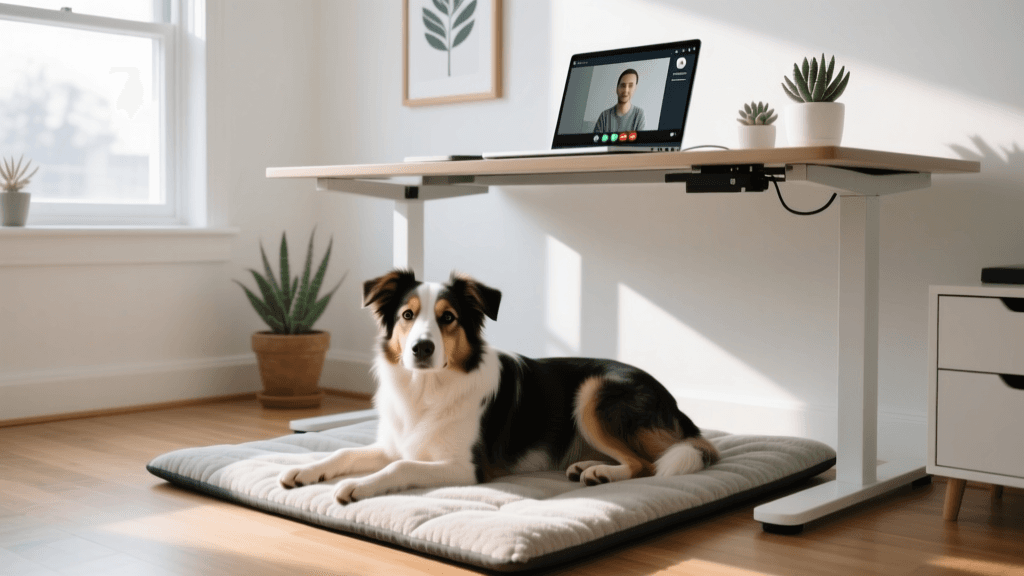
Cavaliers are renowned for their empathetic nature and moderate energy levels. They are perfectly content to sleep under your desk while you work. However, their intense desire to be near their owners can lead to "velcro-dog syndrome," where the puppy whines or paws at you the moment you stop petting them. Training must focus on teaching the Cavalier that physical proximity is not a requirement for your attention. Utilizing a designated mat placed a few feet away from your chair helps establish a healthy, independent boundary while keeping them in your line of sight.
2. Bichon Frise: The Cheerful, Low-Allergy Co-Worker
For remote workers with allergies or those who prefer a tidy home office, the Bichon Frise is a top-tier choice in 2026. They are highly intelligent and eager to please, making trick training and obedience a breeze. The primary behavioral hurdle with Bichons is their tendency to alert-bark at delivery drivers or neighborhood noises. Early desensitization to household sounds and teaching a solid "quiet" cue are mandatory for keeping your Zoom calls professional and interruption-free.
3. Greyhound: The 45-MPH Couch Potato
While adopting a young Greyhound or a retired racer might seem counterintuitive for a sedentary workday, these dogs are famously lazy indoors. They require a solid morning sprint or sniffari, after which they are prone to sleeping 18 hours a day. The training focus here is spatial awareness and settling. Greyhounds are large, and teaching them to tuck their long legs neatly under their bed or mat ensures they do not become a tripping hazard during your standing-desk sessions.
Core Protocol 1: Mastering the "Place" Command
The cornerstone of any work-from-home dog training program is the "Place" or "Settle" command. This behavior instructs your puppy to go to a specific bed or mat and remain there until released. According to the American Kennel Club (AKC), teaching a dog to go to a place provides them with a safe, predictable job, which significantly reduces anxiety and unwanted wandering during your work hours.
Step-by-Step Mat Settlement Training
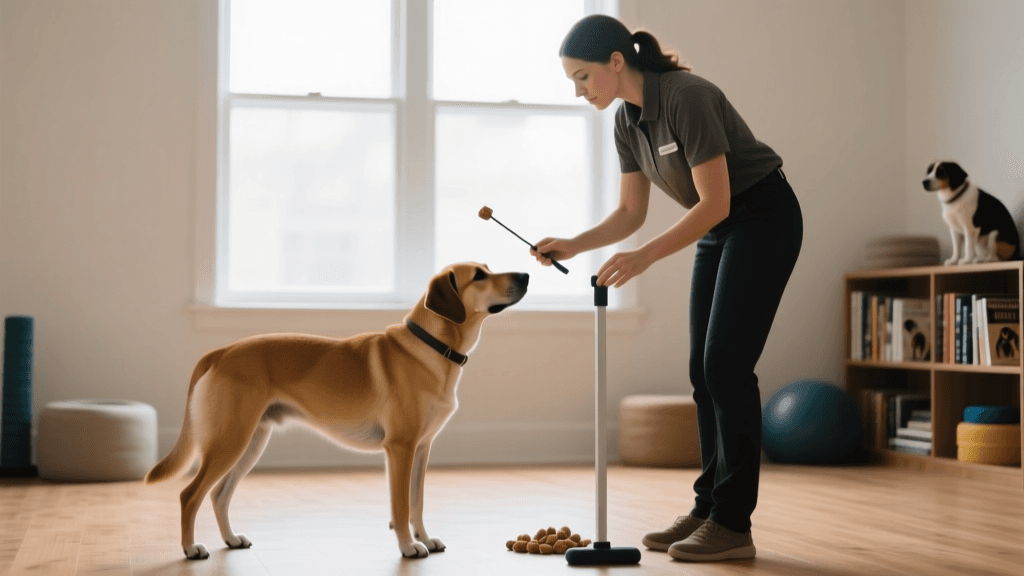
- Step 1: Luring and Marking. Use a high-value treat, such as freeze-dried beef liver, to lure your puppy onto a chew-proof bed (like a Kuranda PVC cot). The moment all four paws touch the mat, use a clicker or a verbal marker like "Yes!" and reward.
- Step 2: Adding the Cue. Once the puppy reliably steps onto the mat for the lure, introduce the verbal cue "Place" just before they step on.
- Step 3: Building Duration. Delay the reward. Ask for a 5-second sit or down on the mat before treating. Gradually increase this to 30 seconds, then 2 minutes.
- Step 4: The WFH Integration. Move the mat next to your desk. Tether the puppy to a nearby heavy furniture leg with a short leash to prevent wandering. Provide a long-lasting enrichment item, such as a frozen Kong stuffed with plain pumpkin and kibble, to keep them occupied while you type.
Core Protocol 2: Zoom Call Desensitization
Puppies are naturally attuned to human voices and facial expressions. When you suddenly start talking animatedly to a glowing screen, a puppy may interpret this as playtime, a threat, or a reason to bark for attention. Zoom call desensitization is a critical conditioning exercise for the modern remote worker.
The Screen-Time Conditioning Game
- Passive Screen Exposure: When you are not on a call, leave a video of people talking on your monitor at a low volume. Toss high-value treats to your puppy on their mat every time they look at the screen and remain quiet.
- Simulated Calls: Record yourself speaking in your "meeting voice." Play the recording back while you sit at your desk. If the puppy stays on their mat, reward them heavily. If they approach you or whine, ignore them completely until they retreat, then reward.
- Active Call Management: During your first few real meetings, keep the puppy on a leash attached to your desk chair. Have a pre-prepared lick mat smeared with dog-safe peanut butter ready to deploy the moment you unmute your microphone. Licking is a naturally soothing canine behavior that lowers heart rates and promotes silence.
Core Protocol 3: Preventing the WFH Separation Anxiety Trap
The most significant behavioral risk for remote workers in 2026 is inadvertently cultivating separation anxiety. Because you are home 24/7, the puppy learns that your presence is a constant environmental baseline. When you eventually return to an office, go out for dinner, or even just take a long walk without them, the sudden absence can trigger severe panic, destructive chewing, and incessant howling.
The ASPCA notes that dogs with separation anxiety exhibit distress behaviors almost exclusively when left alone or separated from their primary guardians. To prevent this, you must actively train your puppy to be comfortable in solitude, even while you are technically home.
Strategic Isolation Training
- The Bathroom Break Protocol: Never let your puppy follow you into the bathroom. Close the door and use a baby gate to block the hallway. This teaches the puppy that closed doors and brief separations are normal and temporary.
- Crate Naps: Mandate at least one nap a day in a closed crate located in a different room from your home office. Use a smart pet camera to monitor them and ensure they are settling down rather than crying.
- Fake Departures: Put on your shoes, grab your keys, walk out the front door, and immediately return inside without acknowledging the puppy. Repeat this 10 times a day to strip the "departure cues" of their anxiety-inducing power.
Recommended 2026 WFH Training Gear
Having the right tools in your home office can make the difference between a productive day and a frustrating one. Here are the top training aids for remote workers this year:
- Smart Treat Cameras (e.g., Furbo 360 or Eufy Pet): Essential for monitoring your puppy's mat-settle duration from another room and tossing treats remotely to reinforce quiet behavior.
- Kuranda Chew-Proof Dog Bed: Standard plush beds are often destroyed by teething puppies. An elevated PVC cot provides a durable, easily cleanable "Place" boundary that lasts through the entire puppy teething phase.
- Snuggle Puppy Heartbeat Toy: Highly effective for crate training and solo-nap time. The simulated heartbeat reduces whining and helps the puppy self-soothe when you are on a critical conference call.
- West Paw Toppl Enrichment Toy: Unlike standard puzzle toys, the Toppl can be interlocked and frozen with wet food, providing up to 45 minutes of silent, focused licking activity during your most important daily stand-up meetings.
Conclusion: Patience and Consistency in the Home Office
Raising a puppy while working from home in 2026 is a highly rewarding endeavor, but it requires the same level of project management and dedication as your actual career. By selecting a breed suited for indoor companionship and rigorously applying mat-settling, screen-desensitization, and strategic isolation protocols, you will forge a bond with a dog who respects your workspace. Remember that puppies do not inherently understand the concept of a "closed door" or an "important client." It is your responsibility to clearly, kindly, and consistently communicate the rules of your shared environment. With time, your new puppy will transition from a chaotic distraction into the best, quietest co-worker you have ever had.
marcus-aldridge
All our authors care for dogs every day — read more of their work on the authors page.