Best Puppy Breeds for Remote Workers in 2026: Top 5 WFH Picks
Discover the best puppy breeds for remote workers in 2026. Learn WFH potty training, socialization tips, and top calm breeds for your home office.
The Rise of the WFH Puppy in 2026
As fully remote and flexible hybrid work models continue to dominate the professional landscape in 2026, more individuals are seizing the opportunity to welcome a puppy into their homes. Working from home offers the unique advantage of being present for crucial early developmental milestones, from potty training to early socialization. However, not all puppies are suited for a home office environment. A high-energy herding breed might constantly nip at your ankles during standing desk sessions, while a vocal hound could interrupt your most important virtual meetings.
Choosing the right breed is the first critical step in ensuring a harmonious balance between your career and your new furry companion. In this comprehensive guide, we explore the best puppy breeds for remote workers, outline a work-from-home (WFH) puppy care schedule, and provide actionable advice for managing teething, potty training, and separation anxiety in the modern home office.
Top 5 Puppy Breeds for the Home Office
When selecting a puppy for a remote work lifestyle, you want a breed that is relatively calm, adaptable, and not prone to excessive barking. Here are the top five breeds that thrive in a WFH environment.
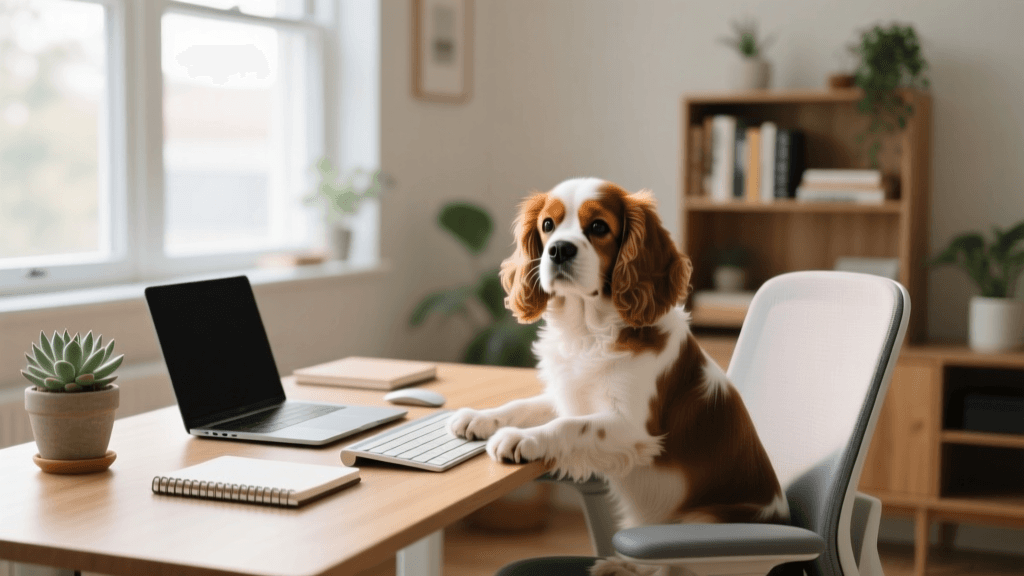
1. Cavalier King Charles Spaniel
The Cavalier King Charles Spaniel is widely considered the ultimate lap dog. Bred primarily for companionship, these puppies are incredibly affectionate and content to snooze at your feet while you type away. They have moderate energy levels, requiring only a couple of short walks a day, which fits perfectly into a busy remote worker's schedule. Their quiet nature means they are unlikely to bark at the delivery driver or interrupt your conference calls.
2. Basset Hound
If you want a puppy that will essentially sleep through your entire workday, the Basset Hound is a fantastic choice. Known for their laid-back, almost lethargic demeanor, Basset Hound puppies are more interested in napping in a sunbeam than causing chaos in your home office. While they can be stubborn during early potty training, their low energy requirements and deep devotion to their owners make them exceptional WFH companions.
3. Greyhound
It may seem counterintuitive to recommend a racing breed for a sedentary home office, but Greyhounds are famously known as '45-mph couch potatoes.' Greyhound puppies and young adults are surprisingly lazy indoors. They love to curl up on a soft dog bed and watch you work. They are exceptionally quiet, rarely barking, and their short coats require minimal grooming, saving you time between meetings.
4. Shih Tzu
Bred exclusively to be companions to royalty, the Shih Tzu is a small, sturdy breed that thrives on human presence without being overly demanding of physical exercise. A Shih Tzu puppy will happily follow you from the kitchen to your desk, content just to be in your vicinity. Their small size makes them ideal for apartment dwellers who work from home, though they do require regular grooming to keep their coats mat-free.
5. Pug
Pugs are charming, comical, and deeply attached to their humans. A Pug puppy will provide endless entertainment during your screen breaks and will happily snore softly in the background of your workday. Because they are a brachycephalic (flat-faced) breed, they have very low endurance and do not require rigorous exercise, making them perfectly suited for a lifestyle centered around a desk and a comfortable chair.
WFH Puppy Breed Comparison Chart
To help you make an informed decision, here is a quick comparison of how these breeds adapt to the remote work lifestyle in 2026.
| Breed | Adult Weight | Daily Exercise Need | Barking Level | WFH Suitability |
|---|---|---|---|---|
| Cavalier King Charles Spaniel | 12-18 lbs | 30-45 mins | Low | Excellent |
| Basset Hound | 40-65 lbs | 30 mins | Moderate (Howling) | Very Good |
| Greyhound | 60-70 lbs | 45 mins (Sprinting) | Very Low | Excellent |
| Shih Tzu | 9-16 lbs | 20-30 mins | Low to Moderate | Very Good |
| Pug | 14-18 lbs | 20-30 mins | Moderate | Good |
Managing Puppy Milestones on a Remote Schedule
Bringing a puppy into your home office requires a structured routine. Puppies thrive on predictability, and aligning their care with your work schedule is vital for your sanity and their development.
Potty Training Between Zoom Calls
Puppies under 12 weeks old need to eliminate every 1 to 2 hours. When you are working remotely, you cannot always drop everything to rush outside. In 2026, many remote workers utilize indoor real-grass delivery services, such as DoggieLawn or Fresh Patch, placed on a balcony or in a designated indoor corner. These services deliver hydroponically grown grass that naturally neutralizes odors, allowing your puppy to potty safely while you finish a quick email. Additionally, investing in a smart pet camera like the Furbo 360 allows you to monitor your puppy's potty habits and dispense a treat remotely when they use their designated spot correctly.
Teething and Silent Chew Toys
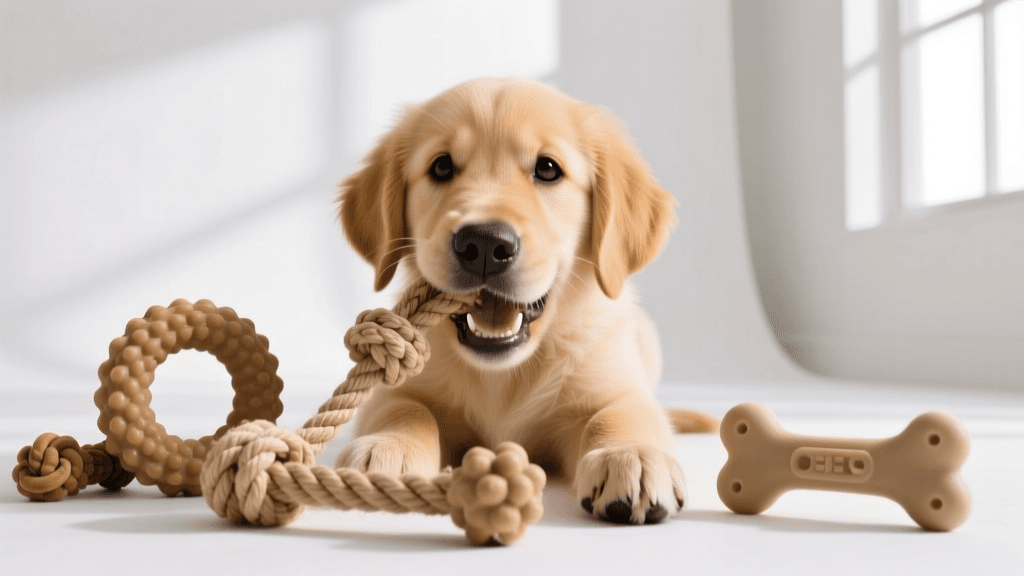
Between 3 and 6 months of age, your puppy will go through a heavy teething phase. Chewing is a natural instinct, but you need them to be quiet during your virtual meetings. Avoid plush toys with built-in squeakers during work hours. Instead, stock up on silent, durable chew toys. The Kong Classic stuffed with frozen peanut butter and blueberries is a 2026 staple for keeping puppies occupied for hours. Another excellent option is the West Paw Qwizl, which can hold bully sticks securely, prolonging the chew time and keeping your puppy silently entertained under your desk.
The WFH Bubble: Preventing Separation Anxiety
One of the most significant risks of raising a puppy while working from home is the creation of a 'WFH bubble.' Because you are constantly present, your puppy may fail to develop the independence required to be left alone. When you eventually need to leave the house for an in-person meeting, a doctor's appointment, or a social outing, this lack of independence can manifest as severe separation anxiety.
According to the ASPCA, separation anxiety is one of the most common behavioral issues in dogs, characterized by destructive behavior, excessive vocalization, and house soiling when left alone. To prevent this, you must actively practice alone time from the moment your puppy arrives home.
Actionable Steps for Independence Training
- Crate Training: Make the crate a positive, rewarding space. Feed your puppy their meals inside the crate and provide high-value chews only when they are inside.
- Forced Separation: Even if you are home, put your puppy in their crate or a secure playpen in a different room for 1-2 hours a day. This teaches them that your absence is temporary and normal.
- Desensitize Departure Cues: Puppies quickly learn that putting on shoes or picking up keys means you are leaving. Perform these actions randomly throughout the day without actually leaving the house to reduce their anxiety triggers.
- Doggy Daycare and Walkers: Utilize local doggy daycare services at least once a week, or hire a dog walker to take your puppy out while you are still at home. This builds their confidence in being handled by other people and in new environments.
Early Socialization for the Homebound Puppy
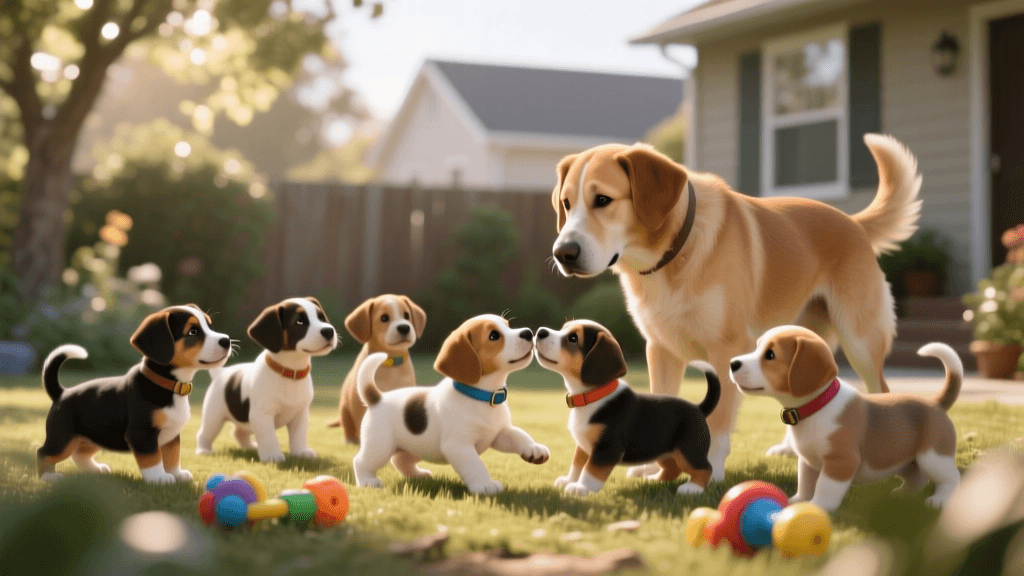
The critical socialization window for puppies closes around 14 to 16 weeks of age. During this time, they need to be exposed to a wide variety of people, environments, sounds, and other animals to develop into well-adjusted adult dogs. Remote workers must be intentional about socialization, as the puppy will not naturally experience the hustle and bustle of a daily commute or a busy office.
The American Kennel Club (AKC) emphasizes that proper socialization is not just about meeting other dogs; it is about experiencing the world confidently. Create a 'socialization checklist' for your WFH puppy. Take them to outdoor cafes while you work on your laptop, invite friends over to your home office, and play recordings of city sounds, vacuum cleaners, and doorbells at low volumes while feeding them treats. By actively managing their exposure to the outside world, you ensure your puppy remains calm and adaptable, whether they are lounging under your desk or accompanying you to a pet-friendly co-working space.
Conclusion
Raising a puppy as a remote worker in 2026 is a deeply rewarding experience that offers unparalleled bonding opportunities. By selecting a breed that aligns with your home office lifestyle, such as the Cavalier King Charles Spaniel or the Greyhound, and by implementing a structured routine for potty training, teething, and independence, you can successfully balance your professional responsibilities with exceptional puppy care. Remember to prioritize early socialization and separation anxiety prevention to ensure your WFH companion grows into a confident, happy, and well-behaved adult dog.
hannah-wickes
All our authors care for dogs every day — read more of their work on the authors page.