Best Dog Breeds for Remote Workers in 2026: Top Picks
Discover the best dog breeds for remote workers in 2026. Learn how breed psychology and energy levels impact your home office productivity and happiness.
The Psychology of the Home Office Dog in 2026
As permanent remote and hybrid work models solidify in 2026, the home office has evolved into a shared ecosystem for humans and their canine companions. However, not all dogs are naturally suited for the unique behavioral demands of a digital workspace. Understanding your dog's breed instincts, energy levels, and psychological needs is critical for maintaining both your productivity and your pet's mental well-being. The ideal "WFH dog" possesses a specific behavioral profile: the ability to self-soothe, a low reactivity threshold to sudden environmental stimuli, and a temperament that balances companionship with independence.
From a behavioral science perspective, working alongside a dog triggers "co-regulation." Studies show that interacting with a calm canine releases oxytocin in the human brain, lowering cortisol levels and reducing stress during high-pressure virtual meetings. However, if a dog exhibits high-strung herding instincts or severe separation anxiety, this dynamic flips, becoming a source of chronic distraction and mutual stress. Selecting a breed whose natural instincts align with the rhythm of remote work is the first step toward a harmonious home office.
Why Breed Instincts Matter in a WFH Environment
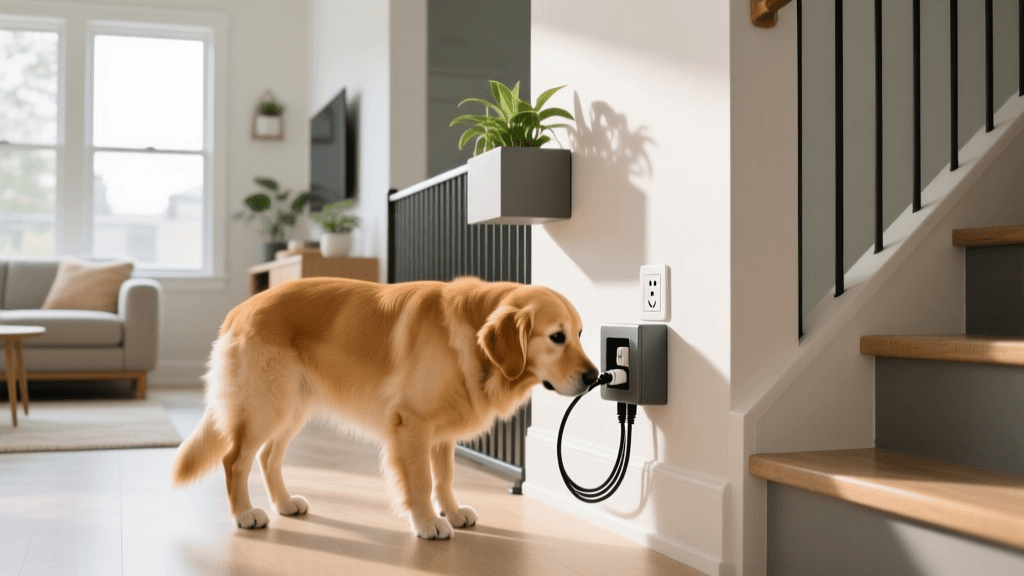
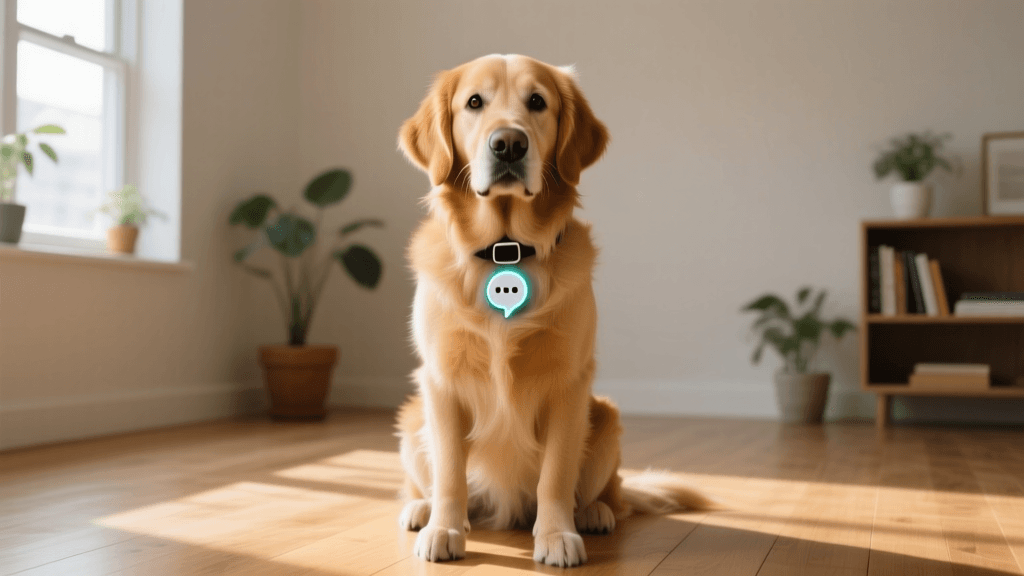
To choose the right canine coworker, we must look beyond aesthetics and examine the genetic wiring of different breed groups. In 2026, the modern smart home is filled with unique triggers: automated vacuum robots, AI-driven voice assistants, and the low-frequency hum of delivery drones dropping packages on porches. How a dog processes these stimuli is deeply rooted in their ancestral purpose.
- Herding Breeds (e.g., Border Collies, Australian Shepherds): Bred to control the movement of livestock, these dogs often attempt to "herd" children, cats, or even your moving feet under the desk. Their high need for mental stimulation means they will invent their own "jobs" if not provided with structured puzzles, often resulting in destructive behavior during your deep-work blocks.
- Guardian Breeds (e.g., German Shepherds, Mastiffs): Genetically programmed to protect territory, these breeds may view every passing delivery drone or neighborhood dog as a threat. This leads to excessive alert barking, which can be disastrous during important video conferences, even with advanced AI noise-canceling software.
- Companion Breeds (e.g., Pugs, Cavalier King Charles Spaniels): Bred specifically to sit on laps and provide emotional support. While excellent for quiet office days, their intense "velcro" attachment can lead to severe separation anxiety on the days you are required to visit a corporate campus or co-working space.
- Sighthounds and Low-Energy Hounds (e.g., Greyhounds, Basset Hounds): Bred for short bursts of intense energy followed by long periods of rest. These breeds excel at "power napping" under a standing desk and generally possess a high threshold for ignoring household commotion.
Top Dog Breeds for Remote Workers in 2026
1. The Greyhound: The Silent Sleeper
Despite their reputation as racers, Greyhounds are famously known in the rescue community as "45-mph couch potatoes." Psychologically, they are sprinters, not endurance athletes. A quick 20-minute morning sprint in a fenced area is usually enough to satisfy their physical needs. For the remaining eight hours of your workday, a Greyhound will happily curl up on a dog bed in your peripheral vision, rarely making a sound. Their low territorial instinct means they are unlikely to bark at the doorbell or smart-home alerts.
2. The Cavalier King Charles Spaniel: The Empathetic Listener
If your work involves high emotional labor, therapy sessions, or constant collaborative calls, the Cavalier is an exceptional choice. They are highly attuned to human micro-expressions and vocal tones. However, because they are ultimate "velcro dogs," remote workers must actively practice boundary training. Teaching your Cavalier to rest on a designated mat rather than demanding lap time during keyboard-heavy tasks is essential to prevent codependent behavioral issues.
3. The Basset Hound: The Grounded Anchor
Basset Hounds possess a remarkably stubborn but incredibly calm psychological profile. They are not easily startled, making them immune to the sudden pings of Slack notifications or the whirring of automated office gadgets. Their low energy levels and heavy bone structure mean they prefer to remain stationary for hours. The primary behavioral consideration for Bassets is their vocalization; while they don't alarm-bark often, they will "bark" or bay if they feel ignored or if they catch the scent of food from your lunch break.
4. The Standard Poodle: The Intellectual Collaborator
For remote workers who take frequent active breaks, the Standard Poodle is a brilliant match. Poodles are highly intelligent and require cognitive engagement. In a WFH setup, you can integrate their training into your Pomodoro breaks. Spend 25 minutes coding or writing, then spend 5 minutes teaching your Poodle complex scent-work or trick-training. This fulfills their psychological need for a "job" and prevents the neurotic pacing that plagues under-stimulated intelligent breeds.
Comparative Data: WFH Breed Suitability Chart
Use the following behavioral matrix to match a breed's psychological profile with your specific remote work lifestyle.
| Breed | Alert Barking Level | Independence Level | Mental Stimulation Need | Best WFH Workstyle |
|---|---|---|---|---|
| Greyhound | Very Low | High | Low | Deep work, long uninterrupted focus blocks. |
| Cavalier King Charles | Low to Moderate | Very Low (Velcro) | Moderate | Collaborative, emotionally engaging tasks. |
| Basset Hound | Low (but vocalizes) | Moderate | Low | Creative work, relaxed pacing, flexible hours. |
| Standard Poodle | Moderate | Moderate | Very High | Pomodoro technique, active break schedules. |
| Border Collie (For Contrast) | High | Low | Extreme | Not recommended for standard desk-bound WFH. |
Training Your Dog for the 2026 Digital Workspace
Even the most genetically suited breed requires environmental conditioning to thrive in a home office. In 2026, digital noise pollution is a primary trigger for canine anxiety. Here is an actionable protocol to dog-proof your workflow.
Desensitization to Smart Notifications
Dogs quickly learn that the sound of a Teams notification or an AI voice assistant chime means your attention is shifting away from them. This can trigger attention-seeking behaviors like pawing or whining. To counter this, record your most common digital notification sounds. Play them at a very low volume while feeding your dog high-value treats. Gradually increase the volume over two weeks. This classical conditioning rewires the dog's brain to associate digital interruptions with positive outcomes rather than perceived abandonment.
The "Place" Command for Deep Work
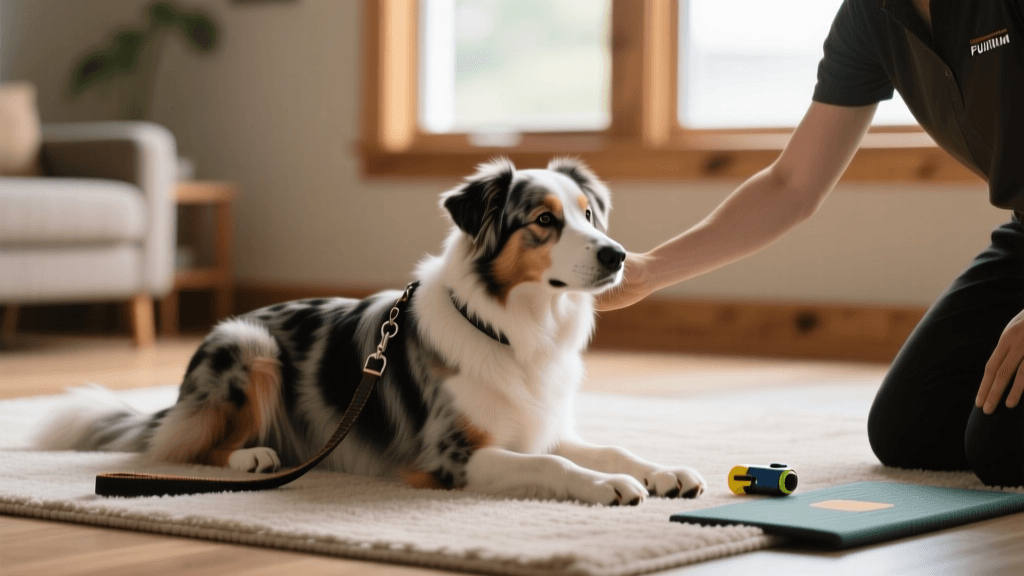
According to the American Kennel Club (AKC), teaching a solid "Place" or "Mat" command is one of the most effective ways to establish boundaries in shared spaces. The "Place" command provides the dog with a clear psychological safe zone. When you enter a deep-work block, direct your dog to their mat with a long-lasting enrichment toy (like a frozen Kong or a snuffle mat). This satisfies their need to chew and forage, releasing endorphins that promote a calm, resting state.
Preventing Hybrid-Work Separation Anxiety
One of the most pressing behavioral crises in the 2020s has been separation anxiety triggered by hybrid work mandates. Dogs that spend 40 hours a week with their owners at home can experience severe psychological distress when the owner suddenly leaves for a corporate campus. The ASPCA Dog Behavior Resources emphasize that independence must be actively cultivated, even when you are home.
To prevent "velcro syndrome," practice micro-departures. Leave your home office, close the door, and do not return until your dog is quiet. Provide them with independent enrichment puzzles in a separate room for at least one hour a day while you are still in the house. This teaches the canine brain that physical separation from the owner is safe, temporary, and rewarding, drastically reducing the risk of destructive anxiety behaviors when your remote work schedule inevitably shifts.
Final Thoughts on Canine Coworkers
Choosing the best dog breed for remote work is ultimately an exercise in self-awareness. By honestly evaluating your daily schedule, your tolerance for noise, and your ability to provide structured mental enrichment, you can select a breed whose psychological needs perfectly mirror your professional lifestyle. When the human-canine bond is respected and properly managed, your dog becomes more than just a pet; they become a vital, grounding presence in your daily pursuit of productivity.
marcus-aldridge
All our authors care for dogs every day — read more of their work on the authors page.