The Viral 3-3-3 Rule: Your Rescue Dog's First 72 Hours
Discover the viral 3-3-3 rule and decompression protocol for new rescue dogs. Learn essential first-day tips, gear, and timelines for a smooth transition.
The Viral 'Rescue Glow-Up' and the Reality of Decompression
If you have spent any time on TikTok or Instagram Reels lately, you have undoubtedly seen the viral 'rescue dog glow-up' trend. These heartwarming videos showcase terrified, shut-down shelter dogs transforming into confident, happy companions. While these transformations are beautiful, they often skip over the grueling, unglamorous reality of the transition period. The secret behind every successful rescue glow-up is not magic; it is a structured, science-backed approach to canine decompression.
When adopting a new dog, the most critical window of time is the first 72 hours. During this period, your new dog is experiencing a massive spike in cortisol and adrenaline. According to the ASPCA, moving to a new environment is one of the most stressful events in a dog's life. To navigate this, the dog training and rescue community has popularized the '3-3-3 Rule,' a timeline that sets realistic expectations for your dog's adjustment period. In this guide, we will break down the viral 3-3-3 rule, outline a strict 72-hour decompression protocol, and provide a detailed gear list to ensure your new dog's transition is as smooth as possible.
Decoding the Viral 3-3-3 Rule of Dog Adoption
The 3-3-3 rule is a general guideline that helps new owners understand the emotional and psychological stages a rescue dog goes through when entering a new home. While every dog is unique, this framework prevents owners from misinterpreting fear-based behaviors as 'bad' behavior.
The First 3 Days: Overwhelm and Decompression
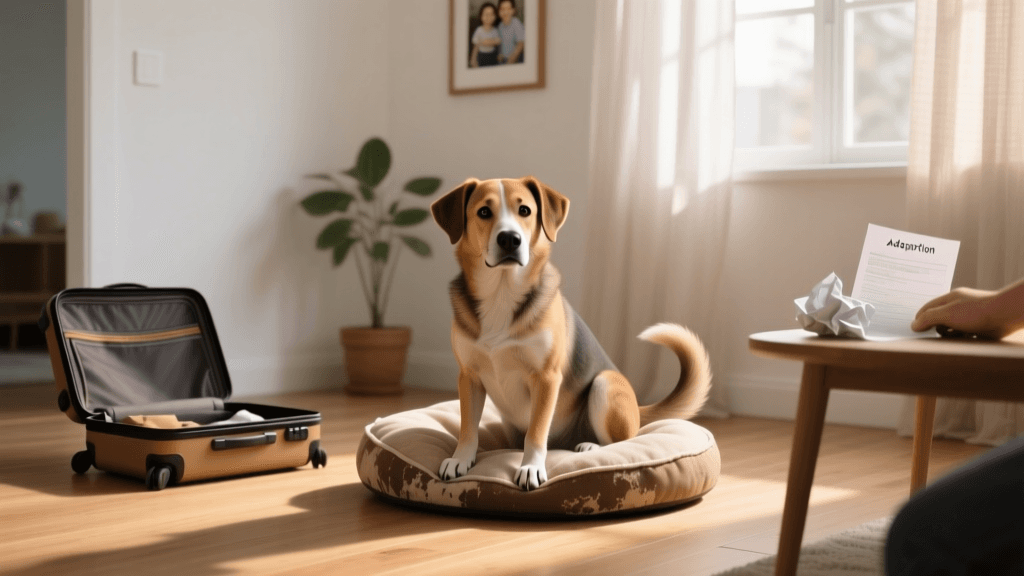
During the first 72 hours, your dog is likely to feel overwhelmed, terrified, and unsure of their surroundings. They may refuse to eat or drink, hide in the back of their crate, pace incessantly, or sleep excessively as a trauma response. This is not the time for training or socialization; this is the time for deep rest and environmental predictability. Their nervous system is in 'fight or flight' mode, and your primary goal is to lower their heart rate and provide a safe haven.
The First 3 Weeks: Settling and Routine
By week three, the dog begins to understand that they are safe. They will start to learn your daily routines, figure out where the food comes from, and realize that they are not going to be abandoned. During this phase, you will see their true personality start to peek through. However, this is also when boundary-testing and minor behavioral issues (like resource guarding or separation anxiety) may first appear as the dog feels comfortable enough to express their discomfort.
The First 3 Months: True Personality and Bonding
At the three-month mark, a profound shift occurs. The dog finally feels completely at home. Trust and a deep bond have been established. The 'glow-up' you see on social media usually happens around this time. The dog's coat looks healthier, their eyes are bright, and they engage in play with genuine joy rather than nervous energy.
The First 72 Hours: Your Step-by-Step Decompression Protocol
To honor the first '3' of the 3-3-3 rule, you must implement a strict decompression protocol. The Humane Society recommends keeping your dog's world incredibly small during the first few days. Here is your actionable 72-hour checklist:
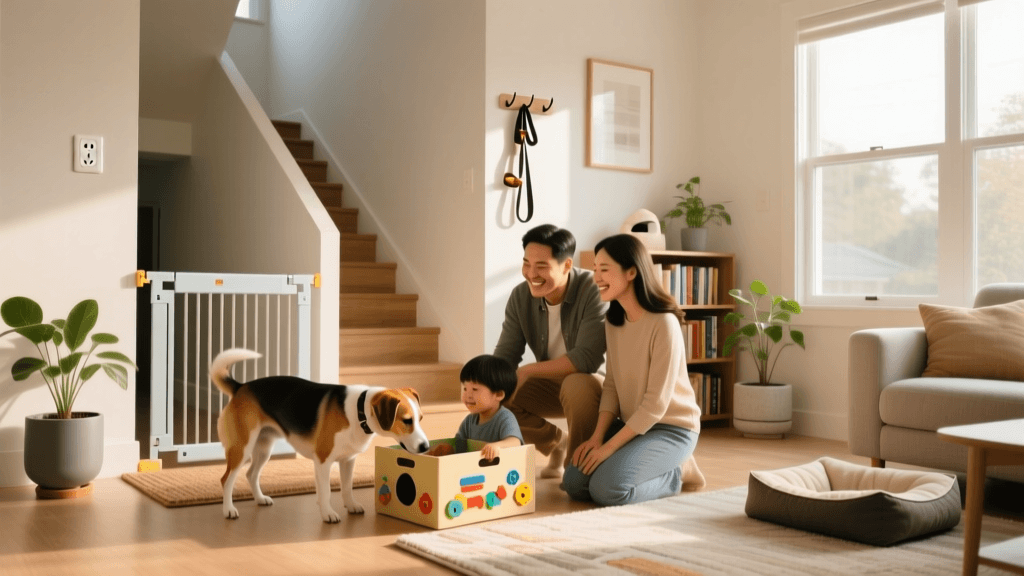
- Limit Spatial Access: Confine your dog to a single, quiet room or a gated-off section of the house. Do not give them free roam of the entire house, as too much space can cause severe anxiety and overstimulation.
- The 'No Visitors' Rule: Do not invite friends, family, or neighbors over to 'meet the new dog.' Every new person introduces a massive spike in cortisol. Wait at least two weeks before introducing visitors.
- Structured Potty Breaks: Take them out on a 15-foot long line every 2 to 3 hours. Keep the outings boring and strictly business. Let them sniff a single patch of grass, reward them for eliminating, and bring them right back inside.
- Ignore the Dog (Initially): It sounds counterintuitive, but do not force affection. Sit in the same room as them, read a book, and let them approach you on their own terms. Toss high-value treats (like boiled chicken or freeze-dried liver) near them without making direct eye contact.
Essential Gear for the Decompression Zone (With Costs)
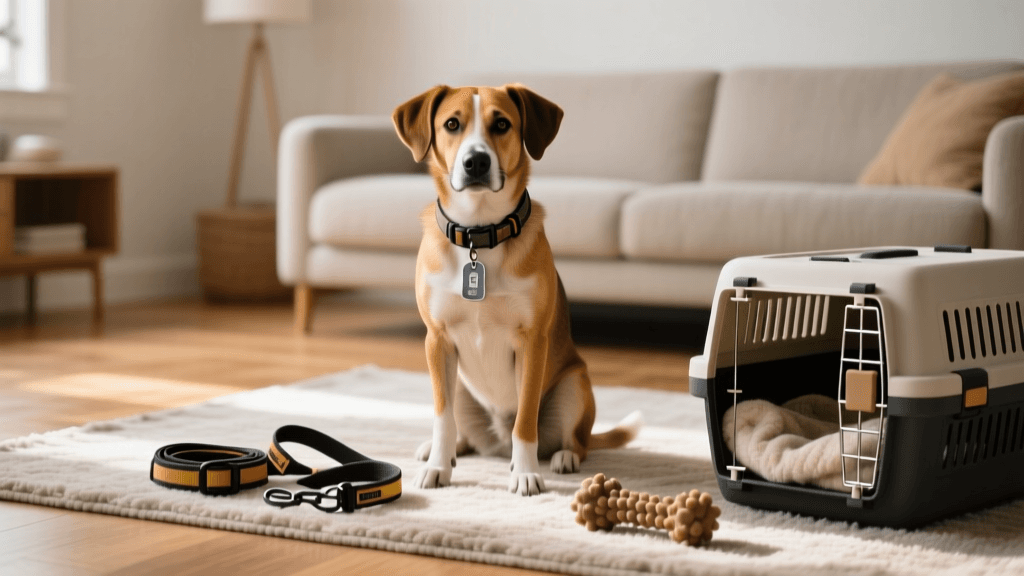
Setting up a proper decompression zone requires specific tools designed to soothe a canine nervous system. Here are the exact products and estimated costs to prepare your home before pickup day:
- MidWest Homes for Pets Double Door Crate (42-inch): (~$75) A 42-inch crate provides enough room for an adult dog to stand, turn, and stretch. Cover the top and sides with a breathable blanket to create a 'den' effect, which reduces visual stimulation.
- Snuggle Puppy Heartbeat Toy: (~$40) This viral product features a battery-operated heartbeat simulator and a heat pack. It mimics the feeling of sleeping against a littermate and is proven to reduce whining and pacing in newly adopted dogs.
- 15-Foot Biothane Long Line: (~$35) Standard 6-foot leashes do not allow for adequate sniffing, which is crucial for mental decompression. A 15-foot Biothane line gives them space to explore safely without the danger of a retractable leash.
- West Paw Toppl Enrichment Toy: (~$25) Unlike standard Kongs, the Toppl can be interlocked and frozen with wet food, providing up to 45 minutes of continuous licking. Licking releases endorphins in a dog's brain, acting as a natural sedative.
- Carlson Pet Products Extra Wide Baby Gate: (~$60) Essential for sectioning off your decompression room without completely isolating the dog from the household's ambient sounds.
Comparison Chart: Puppy vs. Adult Rescue First-Day Needs
While the 3-3-3 rule applies to all dogs, the execution differs vastly depending on the age of the dog you are bringing home. The American Kennel Club notes that adult rescues carry historical baggage that puppies do not.
| Factor | Young Puppy (8-16 Weeks) | Adult Rescue (1+ Years) |
|---|---|---|
| Primary Emotion | Confusion and homesickness | Fear, anxiety, and hyper-vigilance |
| Sleep Needs | 18-20 hours (enforced naps) | 12-14 hours (stress-induced lethargy) |
| Potty Schedule | Every 1-2 hours | Every 3-4 hours (monitor for stress diarrhea) |
| Enrichment Type | Soft chew toys, gentle handling | Snuffle mats, frozen lick mats, scent work |
| Socialization | Controlled exposure to new surfaces | Zero new exposures; strict decompression |
Lowering Cortisol: The Science of Sniffaris
One of the biggest mistakes new owners make is trying to 'tire out' their newly adopted dog with a long, vigorous walk or a trip to the dog park. Physical exercise actually increases arousal levels and pumps more adrenaline into an already stressed system. Instead of physical exhaustion, you must aim for mental exhaustion through olfactory enrichment.
A 'Sniffari' involves taking your dog to a quiet, low-traffic area on their 15-foot long line and simply letting them sniff. A dog's olfactory bulb is proportionally 40 times larger than a human's. Processing complex scent maps requires immense cognitive effort. Just 20 minutes of dedicated, uninterrupted sniffing can tire a dog out as much as a two-mile run, while simultaneously lowering their heart rate and blood pressure. Scatter a handful of kibble in the grass and let them forage. This taps into their natural scavenging instincts and builds immediate confidence in their new environment.
Dietary Transitions for Stressed Guts
Stress directly impacts the canine gastrointestinal tract. It is incredibly common for rescue dogs to experience stress colitis, resulting in loose stools or a complete refusal to eat during the first 72 hours. Do not abruptly change their food, even if the shelter was feeding a low-quality brand. Sudden dietary shifts will compound their GI distress.
Feed the exact food they were eating at the shelter or foster home for the first two weeks. To encourage a stressed dog to eat, try adding warm, low-sodium bone broth (ensure it contains no onions or garlic) to their kibble. If they refuse to eat for more than 24 hours, or if they exhibit vomiting and severe diarrhea, consult your veterinarian immediately, as parasites like Giardia are common in shelter environments and require medical intervention.
Common Mistakes to Avoid in the First Week
To protect your dog's decompression process, avoid these viral but harmful trends:
- The 'Welcome Home' Bath: Unless the dog is covered in a hazardous substance, do not bathe them on the first day. Bathing is highly invasive and terrifying for a dog that does not yet trust you. Wait at least a week.
- Dog Park Introductions: Dog parks are chaotic, unregulated environments. A fearful dog is highly likely to be bullied or to react defensively, potentially triggering a fight. Avoid dog parks entirely for the first month.
- Sleeping in the Bed: While co-sleeping is a personal choice, allowing a terrified, untrained rescue dog into your bed on night one can lead to resource guarding of the bed and severe sleep disruption for both of you. Establish a comfortable crate or floor bed in your room first.
Patience is not just a virtue; it is a biological necessity for a stressed canine nervous system. You cannot rush a glow-up.
Final Thoughts on the Decompression Journey
The viral 3-3-3 rule is more than just a catchy social media trend; it is a vital roadmap for empathetic dog ownership. By respecting your new dog's need for space, predictability, and olfactory enrichment during those critical first 72 hours, you are laying the neurological groundwork for a confident, well-adjusted companion. Prepare your home, stock up on enrichment toys, clear your calendar, and give your new best friend the ultimate gift: the time and space to simply breathe.
marcus-aldridge
All our authors care for dogs every day — read more of their work on the authors page.