Viral Dog Longevity Supplements: What Vets Recommend
Discover the truth behind viral dog longevity supplements like MCT oil and senolytics. Learn what vets recommend for canine cognitive health and aging.
The Viral Trend: Biohacking Your Dog's Lifespan
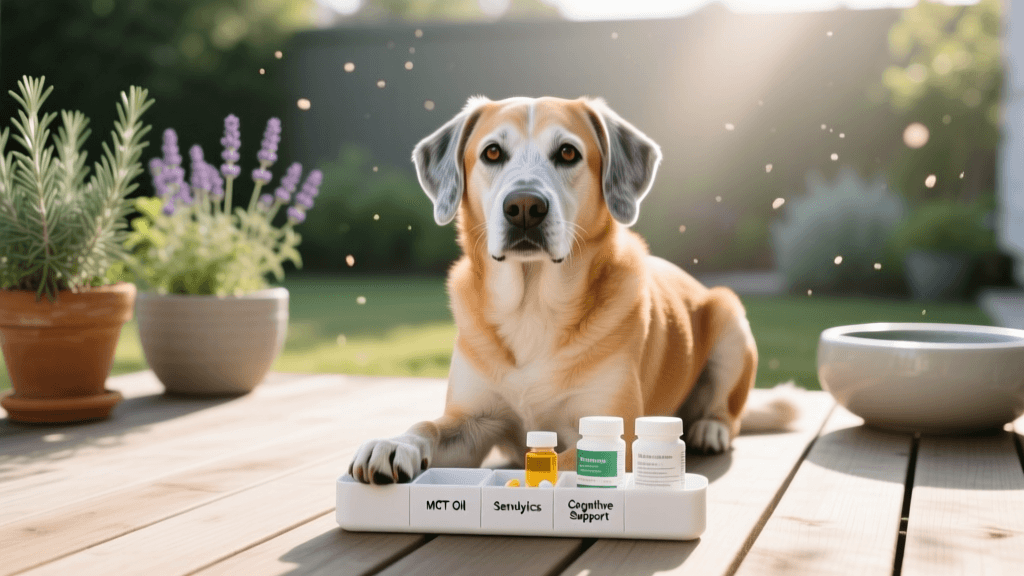
If you have spent any time on TikTok, Instagram, or YouTube recently, you have likely encountered the viral trend of 'biohacking' for dogs. Pet parents are increasingly investing in complex supplement stacks, specialized diets, and advanced wellness routines aimed at extending their canine companions' lifespans and staving off age-related cognitive decline. While the dedication of these owners is commendable, the sheer volume of trending longevity supplements can be overwhelming and, at times, scientifically questionable. As a responsible dog owner, it is crucial to separate internet hype from veterinary science. In this comprehensive guide, we break down the most popular viral dog longevity supplements, examine the clinical evidence behind them, and provide actionable, vet-aligned advice on how to safely incorporate them into your senior dog's daily routine.
Top Trending Longevity Supplements Breakdown
The internet is flooded with miracle cures for canine aging, but only a few have genuine scientific backing. Below, we explore the three most viral supplements currently dominating the pet wellness space, complete with specific dosing guidelines, costs, and safety warnings.
1. Medium-Chain Triglyceride (MCT) Oil for Cognitive Support
MCT oil has become a staple in the viral canine biohacking community, primarily touted for its ability to combat Canine Cognitive Dysfunction (CCD), the dog equivalent of Alzheimer's disease. The science here is remarkably solid. As dogs age, their brains become less efficient at utilizing glucose for energy. MCT oil bypasses this issue by providing an alternative energy source: ketones. The liver rapidly converts MCTs into ketones, which cross the blood-brain barrier to fuel aging neurons.
Actionable Advice:
- Product Selection: Choose an organic, cold-pressed MCT oil derived from coconuts. Ensure it is a C8/C10 blend and strictly free of xylitol or artificial flavorings.
- Dosage & Timing: Start slowly to avoid gastrointestinal upset. Begin with 1/4 teaspoon per 10 lbs of body weight, administered once daily with their morning meal. Over two weeks, gradually increase to a maximum of 1/2 teaspoon per 10 lbs.
- Cost: Expect to pay between $15 and $25 for a high-quality 16oz bottle, which typically lasts 2 to 3 months for a medium-sized dog.
- Warning: Because MCT oil is a pure fat, over-supplementation can trigger pancreatitis or cause severe diarrhea. Always consult your vet before adding fats to the diet of a dog with a history of pancreatic issues.
2. High-EPA/DHA Omega-3 Fatty Acids
While fish oil is not a new concept, the viral trend has shifted toward ultra-high-dose Omega-3 regimens specifically targeting neuro-inflammation and joint degradation. The active components, Eicosapentaenoic acid (EPA) and Docosahexaenoic acid (DHA), are potent anti-inflammatories that protect cellular membranes in the brain and joints.
Actionable Advice:
- Product Selection: Avoid generic 'salmon-flavored' treats. Opt for wild-caught Alaskan salmon oil or sustainably sourced krill oil in a pump bottle to prevent oxidation (rancidity).
- Dosage & Timing: For therapeutic cognitive and joint support, veterinary neurologists often recommend 50 to 75 mg of combined EPA/DHA per kilogram of body weight daily. For a 20 kg (44 lb) dog, this means roughly 1000mg to 1500mg of combined EPA/DHA daily, split between morning and evening meals.
- Cost: A premium 16oz pump bottle of wild Alaskan salmon oil costs around $20 to $30 and lasts about 60 days for a medium breed.
3. Senolytics (Fisetin and Quercetin)
Senolytics are compounds designed to clear 'senescent' (zombie) cells from the body—cells that have stopped dividing but refuse to die, instead secreting inflammatory chemicals that accelerate aging. Fisetin (found in strawberries) and Quercetin (found in apples and onions) are currently viral in the human longevity space and have bled into canine biohacking. While human trials are ongoing, veterinary data remains largely anecdotal or restricted to early-stage laboratory models.
Actionable Advice:
- Product Selection: If you choose to explore senolytics, look for veterinary-formulated liposomal quercetin, which offers better absorption than standard powders.
- Dosage & Timing: There is no universally established safe dosage for dogs. Most holistic veterinarians recommend a pulsed dosing schedule (e.g., administering the supplement for two consecutive days, followed by a 28-day break) rather than daily use.
- Cost: High-quality liposomal senolytics are expensive, often ranging from $40 to $60 per bottle.
- Warning: High doses of quercetin can interfere with certain medications, including antibiotics and chemotherapy drugs. Veterinary supervision is mandatory.
Comparison Chart: Viral Supplements vs. Scientific Backing
To help you navigate the noise, we have compiled a structured comparison of these trending supplements based on current veterinary consensus.
| Supplement | Primary Viral Claim | Scientific Consensus | Veterinary Recommendation |
|---|---|---|---|
| MCT Oil | Reverses dog dementia and boosts brain energy. | Strong evidence supports ketone therapy for improving cognitive function in senior dogs. | Highly recommended for CCD; start with low doses to avoid GI distress. |
| Omega-3 (EPA/DHA) | Cures arthritis and prevents brain aging. | Extensive clinical proof for reducing joint inflammation and supporting neurological health. | Essential for all senior dogs; ensure high EPA/DHA concentrations. |
| Senolytics (Fisetin) | Clears zombie cells and extends maximum lifespan. | Promising in mice and human trials; lacking large-scale, peer-reviewed canine studies. | Proceed with caution; use only under the guidance of a holistic veterinarian. |
| Resveratrol | Activates longevity genes (sirtuins). | Poor bioavailability in dogs; high doses can cause gastrointestinal toxicity. | Generally not recommended due to safety and absorption concerns. |
What the Dog Aging Project Tells Us
When evaluating viral trends, it is essential to look at large-scale, peer-reviewed data rather than isolated social media testimonials. The Dog Aging Project, a groundbreaking long-term study involving tens of thousands of dogs, is currently the most authoritative source on canine longevity. Their ongoing research highlights that while specific supplements like Omega-3s play a supportive role, the most significant factors in extending a dog's healthspan are highly consistent: maintaining a lean body condition score, engaging in regular, age-appropriate physical exercise, and providing consistent environmental enrichment.
The project's data suggests that 'biohacking' should never replace foundational health practices. A dog fed a highly processed, calorie-dense diet will not outlive its genetic potential simply because its owner adds a viral senolytic supplement to its food bowl. True longevity is built on a foundation of metabolic health, dental hygiene, and preventive veterinary screenings.
Building a Science-Backed Longevity Routine
If you want to implement a longevity routine that goes beyond viral supplements, focus on these actionable, evidence-based strategies that address both physical and mental health:
- Caloric Restriction and Lean Body Mass: According to the American Kennel Club, keeping your dog on the lean side of their ideal weight can extend their lifespan by up to two years. Measure your dog's food using a digital kitchen scale rather than a measuring cup to ensure precision.
- Olfactory Enrichment: Mental fatigue is just as important as physical exercise for aging dogs. Replace one 30-minute daily walk with 15 minutes of 'sniffari' work. Use a snuffle mat or scatter their kibble in the grass. The mental processing required to forage builds new neural pathways and delays cognitive decline.
- Bi-Annual Senior Screenings: Dogs age rapidly. Once your dog reaches the senior threshold (typically 7 years for large breeds, 9 years for small breeds), transition from annual to bi-annual veterinary visits. Request a comprehensive blood panel, including a thyroid check and a urinalysis, to catch metabolic shifts before they become clinical diseases.
'Canine Cognitive Dysfunction is a progressive condition, but early intervention with targeted nutrition, environmental enrichment, and veterinary care can significantly slow the decline and improve the quality of life for our senior companions.' — Texas A&M University College of Veterinary Medicine
Final Thoughts on Viral Pet Health Trends
The viral obsession with canine biohacking stems from a beautiful place: a deep, profound love for our dogs and a desire to keep them with us for as long as possible. Supplements like MCT oil and high-dose Omega-3s have earned their place in the veterinary toolkit, offering tangible benefits for aging brains and aching joints. However, trending compounds like senolytics require a more cautious, measured approach until more canine-specific clinical trials are completed.
Before adding any new supplement to your dog's regimen, document their current baseline health, note any existing medications to avoid adverse interactions, and have a detailed conversation with your primary veterinarian. By combining the best of modern nutritional science with foundational preventive care, you can ensure your dog's golden years are truly their best years.
hannah-wickes
All our authors care for dogs every day — read more of their work on the authors page.