Diagnosing And Managing Canine Osteoarthritis In Senior Dogs
Learn how to diagnose canine osteoarthritis early and explore proven medical and holistic solutions to manage joint pain in senior dogs effectively.
The Silent Epidemic: Recognizing Canine Osteoarthritis
Osteoarthritis (OA), also known as degenerative joint disease, is a progressive, inflammatory condition that affects the cartilage and surrounding structures of a dog's joints. According to VCA Animal Hospitals, osteoarthritis is estimated to affect 20% of adult dogs and over 80% of senior dogs over the age of eight. Because dogs are evolutionary hardwired to mask pain, diagnosing this condition early requires a keen eye and a proactive approach to veterinary care. Left untreated, OA leads to chronic pain, muscle atrophy, and a severely diminished quality of life. This comprehensive guide will walk you through the problem diagnosis process and provide actionable, evidence-based solutions to manage your senior dog's joint health.
At-Home Problem Diagnosis: Spotting the Subtle Signs
Unlike humans, dogs cannot verbally communicate joint stiffness or aching. Instead, canine osteoarthritis manifests through subtle behavioral and physical shifts. If your dog is exhibiting any of the following signs, it is time to suspect joint pain:
- Reluctance to Navigate Stairs or Jump: Hesitation before jumping into the car or onto the bed, or taking stairs one slow step at a time.
- Morning Stiffness: A stiff, stilted gait upon waking up that gradually improves after 10 to 15 minutes of light movement.
- Altered Gait and Posture: A 'bunny-hopping' gait in the hind legs, or shifting weight to the front limbs to relieve pressure on aching hips or knees.
- Behavioral Changes: Uncharacteristic irritability, withdrawal from family interaction, or aggression when touched near the lower back or hindquarters.
- Over-Grooming: Excessive licking or chewing at specific joints, particularly the carpus (wrist) or stifle (knee), attempting to soothe localized inflammation.
- Decreased Activity Levels: Lagging behind on walks, sleeping significantly more than usual, or abandoning favorite toys.
Veterinary Diagnosis: What to Expect at the Clinic
If you notice these signs, a formal veterinary diagnosis is critical. The American Kennel Club recommends a multi-modal diagnostic approach. Your veterinarian will typically perform a thorough orthopedic examination, palpating each joint for swelling, heat, crepitus (a grating sensation), and reduced range of motion. Radiographs (X-rays) are the gold standard for visualizing joint space narrowing, osteophytes (bone spurs), and subchondral bone sclerosis. Additionally, your vet may recommend a comprehensive blood panel to establish baseline liver and kidney values, which is a mandatory safety step before prescribing long-term anti-inflammatory medications.
Medical Solutions: Prescription and Injectable Therapies
Once diagnosed, managing canine OA requires a multi-modal approach. Relying on a single medication is rarely sufficient for moderate to severe cases.
Non-Steroidal Anti-Inflammatory Drugs (NSAIDs)
NSAIDs like Carprofen (Rimadyl) and Meloxicam are the cornerstone of OA pain management. They work by inhibiting COX enzymes, reducing both pain and joint inflammation. These are typically administered daily with food to prevent gastrointestinal upset. Long-term use requires bi-annual blood work to monitor hepatic and renal function.
Monoclonal Antibodies (Nerve Growth Factor Inhibitors)
A revolutionary breakthrough in veterinary medicine is Bedinvetmab (Librela). This monthly subcutaneous injection targets Nerve Growth Factor (NGF), a protein that plays a key role in pain signaling. Unlike NSAIDs, Librela is not metabolized by the liver or kidneys, making it an exceptionally safe option for senior dogs with underlying organ dysfunction. Owners typically report a noticeable improvement in mobility within 14 to 30 days of the first injection.
Nerve Pain Modulators
For dogs with secondary neuropathic pain or spinal issues (like spondylosis), veterinarians often prescribe Gabapentin. Administered every 8 to 12 hours, Gabapentin dampens nerve firing. It can cause mild sedation initially, so starting at a low dose and titrating upward is the standard protocol.
Nutritional Solutions: Targeted Supplementation
Dietary interventions are critical for slowing cartilage degradation and managing systemic inflammation.
Omega-3 Fatty Acids (EPA and DHA)
Omega-3s disrupt the inflammatory cascade within the joint capsule. For therapeutic joint benefits, standard fish oil capsules are insufficient. You must aim for a combined EPA/DHA dose of 75 to 100 mg per kilogram of your dog's body weight daily. Products like Nordic Naturals Omega-3 Pet or veterinary-specific formulations like Welactin 3D Canine provide the concentrated, verified doses required to see clinical results within 4 to 6 weeks.
Joint Protectants (Glucosamine, Chondroitin, and ASU)
Supplements containing Glucosamine HCl, Chondroitin Sulfate, and Avocado/Soybean Unsaponifiables (ASU) provide the building blocks for synovial fluid and cartilage repair. Dasuquin Advanced and Cosequin DS Plus MSM are industry-leading, clinically tested brands. Expect to spend between $40 and $70 for a one-month supply, depending on your dog's weight. Consistency is vital; these supplements take 4 to 8 weeks to reach therapeutic levels in the joint.
Weight Management
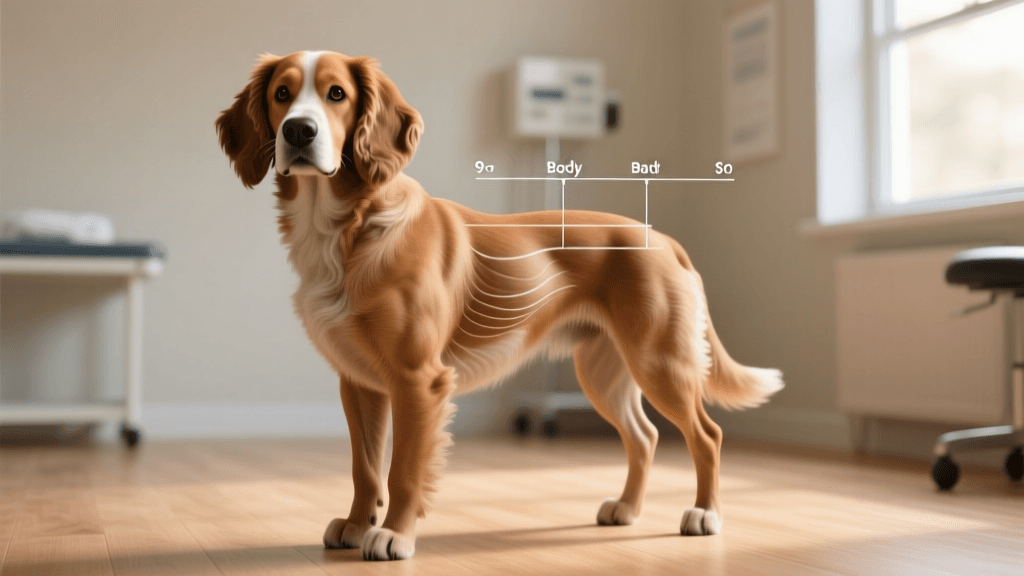
Carrying excess weight exponentially increases the mechanical load on arthritic joints. A dog's Body Condition Score (BCS) should be strictly maintained at a 4 out of 9. If your dog is overweight, transition to a prescription joint-and-weight management diet, such as Hill's Prescription Diet j/d or Royal Canin Mobility Support, which are formulated with reduced caloric density and enhanced joint-supporting nutrients.
Environmental Modifications and Physical Therapy
Modifying your home environment reduces daily micro-traumas to your dog's joints and preserves their independence.
Orthopedic Bedding
Standard dog beds compress under a dog's weight, offering zero joint relief. Invest in a high-density, human-grade orthopedic bed with a minimum thickness of 4 to 7 inches. The Big Barker 7-inch Orthopedic Dog Bed (approximately $250 to $300) is engineered to prevent bottoming out, providing crucial support for heavy breeds like Labrador Retrievers and German Shepherds.
Ramps and Traction
Jumping down from furniture causes immense concussive force on the front shoulders and wrists. Use a ramp with a slope no steeper than 18 degrees for car loading. Indoors, place interlocking foam mats or non-slip area rugs over hardwood and tile floors. Slipping on hard surfaces forces arthritic dogs to engage stabilizing muscles constantly, leading to rapid fatigue and secondary muscle spasms.
Controlled Exercise and Hydrotherapy
Exercise must shift from high-impact (fetching, agility) to low-impact, controlled movements. Leash walks on soft surfaces like grass or dirt trails for 15 to 20 minutes twice daily are ideal. For severe cases, canine hydrotherapy (underwater treadmill or swimming) provides cardiovascular and muscular conditioning without the burden of gravity, costing roughly $60 to $90 per session.
Treatment Comparison and Cost Guide
To help you budget and plan your dog's OA management strategy, review the comparison table below detailing common therapies, their estimated costs, and primary benefits.
| Treatment Modality | Estimated Monthly Cost | Time to Efficacy | Primary Benefit |
|---|---|---|---|
| Daily NSAIDs (e.g., Carprofen) | $40 - $90 | 1 - 2 Hours | Rapid reduction of acute pain and joint inflammation. |
| Librela (Monthly Injection) | $75 - $150 | 14 - 30 Days | Targets nerve pain safely without liver/kidney processing. |
| Therapeutic Omega-3 (EPA/DHA) | $25 - $50 | 4 - 6 Weeks | Reduces systemic inflammation and improves coat/skin health. |
| Glucosamine/Chondroitin/ASU | $40 - $70 | 4 - 8 Weeks | Supports synovial fluid viscosity and cartilage maintenance. |
| Canine Hydrotherapy | $250 - $400 | Immediate (per session) | Builds muscle mass to support joints without impact stress. |
Partnering with Your Veterinary Team
Managing canine osteoarthritis is not a one-time fix; it is a lifelong commitment to your dog's comfort. The American Animal Hospital Association (AAHA) emphasizes that pain management protocols should be regularly reassessed and adjusted as the disease progresses or as your dog ages. By combining early diagnostic vigilance with a multi-modal treatment plan encompassing medication, targeted nutrition, and environmental adjustments, you can significantly slow the progression of osteoarthritis. This proactive approach ensures your senior dog remains active, comfortable, and happy throughout their golden years.
tom-renshaw
All our authors care for dogs every day — read more of their work on the authors page.