Viral Dog Food Toppers: Boost Your Dog's Gut Health
Discover the viral dog food topper trend. Learn how sardines, kefir, and bone broth boost canine gut health, with vet-approved recipes and safety tips.
The Viral Dog Meal Prep Trend: Beyond the Aesthetic
If you have spent any time on DogTok or Instagram Reels lately, you have likely seen the viral dog meal prep trend. Dog owners are moving away from simply scooping dry kibble into a bowl and are instead crafting elaborate, nutrient-dense meals topped with fresh, whole foods. While the aesthetic appeal of these videos is undeniable, the underlying health benefits—particularly for canine gut health—are driving a massive shift in how we feed our pets. But are these viral dog food toppers just a passing fad, or do they offer legitimate veterinary benefits? As a canine health advocate for Paws Tales, I am here to break down the science, the costs, and the safety protocols behind the internet's most popular dog food toppers.
The Science of the Canine Gut Microbiome
The canine gastrointestinal tract houses trillions of microorganisms, collectively known as the gut microbiome. This complex ecosystem plays a critical role in your dog's overall health, influencing everything from nutrient absorption and immune system function to mood and behavior via the gut-brain axis. When the microbiome is out of balance (dysbiosis), dogs can experience a range of issues including chronic diarrhea, allergic skin conditions, and even anxiety.
While high-quality commercial dog foods are formulated to be complete and balanced, the extrusion process used to make kibble can destroy many natural enzymes and beneficial bacteria. This is where fresh, whole-food toppers come in. By adding targeted, nutrient-dense foods to your dog's bowl, you can actively seed their gut with beneficial microbes, reduce systemic inflammation, and promote long-term vitality. Let us explore the top three viral toppers dominating the canine wellness space.
Top 3 Viral Dog Food Toppers (And How to Use Them)
1. Plain Kefir: The Probiotic Powerhouse
Kefir is a fermented milk drink that has exploded in popularity among holistic dog owners. Unlike regular milk, which can cause digestive upset due to lactose intolerance, the fermentation process in kefir consumes most of the lactose, making it safe for the vast majority of dogs. Kefir contains up to 61 strains of beneficial bacteria and yeasts, making it a far more potent probiotic source than standard yogurt.
Actionable Advice & Dosage:
- Product: Buy plain, unsweetened, unflavored kefir (Lifeway Plain Kefir is a widely available and trusted brand). Avoid any products containing xylitol or artificial sweeteners.
- Dosage: Start with 1 teaspoon per 10 pounds of body weight daily. For a 50-pound dog, this is about 1.5 tablespoons.
- Cost: Approximately $4.00 to $6.00 for a 32-ounce bottle, which lasts most medium-sized dogs about a month.
- Timing: Serve cold or at room temperature directly over kibble. Do not heat it, as high temperatures will kill the live active cultures.
2. Canned Sardines in Spring Water: The Omega-3 Bomb
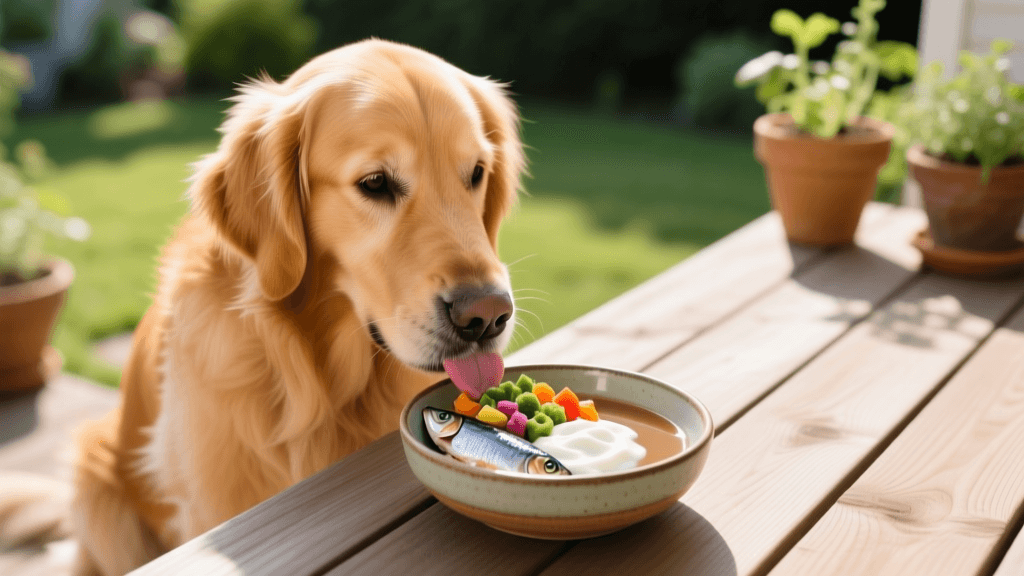
Sardines are small, wild-caught forage fish that are incredibly rich in EPA and DHA, the two most bioavailable forms of Omega-3 fatty acids. Omega-3s are vital for reducing joint inflammation, supporting cognitive function in senior dogs, and maintaining a healthy skin and coat barrier. Because sardines are at the bottom of the food chain and have short lifespans, they do not accumulate heavy metals like mercury in the way larger fish (such as tuna or salmon) do.
Actionable Advice & Dosage:
- Product: Look for sardines packed in spring water with no added salt. Wild Planet and King Oscar are excellent, sustainable choices. Avoid sardines packed in oil or tomato sauce.
- Dosage: Small dogs (under 20 lbs): 1/2 sardine. Medium dogs (20-50 lbs): 1 whole sardine. Large dogs (50+ lbs): 2 whole sardines.
- Frequency: Feed 2 to 3 times per week. Overfeeding fish can lead to an excess of certain minerals and unnecessary caloric intake.
- Cost: Roughly $2.50 to $3.50 per 4.4-ounce can.
3. Homemade Bone Broth: The Hydration and Joint Hero
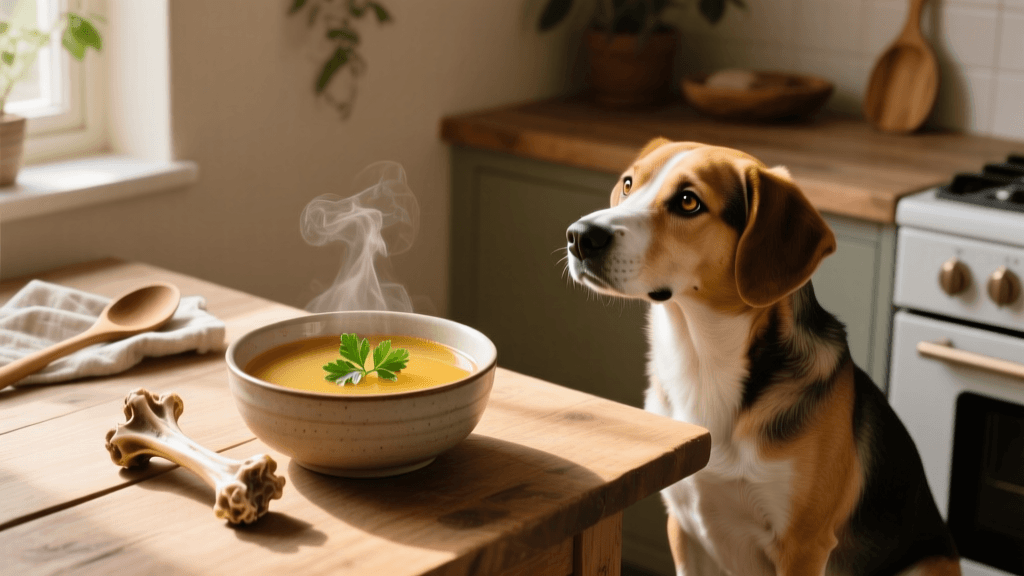
Bone broth is perhaps the most viral of all canine toppers, praised for its ability to entice picky eaters, hydrate dogs prone to urinary issues, and provide natural collagen for joint support. When simmered correctly, the bones release glucosamine, chondroitin, and hyaluronic acid—compounds that are frequently sold as expensive joint supplements.
Safe Homemade Dog Bone Broth Recipe:
Ingredients: 2 lbs beef marrow bones or chicken feet, 1 gallon filtered water, 2 tablespoons raw apple cider vinegar (with the 'mother', like Bragg's brand).
Instructions: Place bones in a slow cooker. Cover with water and add the apple cider vinegar (the acid helps leach minerals from the bones). Let it sit for 30 minutes. Turn the slow cooker to low and simmer for 24 to 48 hours. Strain the liquid through a fine-mesh sieve, discarding all bones. Refrigerate until the fat solidifies at the top, then scrape off and discard the fat layer. Store the gelatinous broth in the fridge for up to 5 days or freeze in silicone molds.
Cost & Timing: Bones cost about $5 to $10 from a local butcher. The active prep time is 15 minutes, but the passive simmering time is 24 to 48 hours. Yield is roughly 10-12 cups of broth.
Comparison Chart: Viral Toppers vs. Commercial Supplements
| Topper Type | Avg Cost (Monthly) | Primary Benefit | Prep Time | Bioavailability |
|---|---|---|---|---|
| Plain Kefir | $15 - $20 | Probiotics & Digestion | 0 mins (Pour) | High (Live Cultures) |
| Canned Sardines | $25 - $35 | Omega-3s & Coat Health | 1 min (Open) | Very High (Whole Food) |
| Homemade Bone Broth | $10 - $20 | Hydration & Joints | 24-48 hrs (Simmer) | High (Natural Collagen) |
| Commercial Powders | $30 - $60 | Varies by Product | 0 mins (Sprinkle) | Varies (Processed) |
The Golden Rule: The 10% Caloric Limit
While fresh toppers are incredibly healthy, they are not calorie-free. One of the most common mistakes well-meaning pet parents make is overfeeding toppers, leading to canine obesity and nutritional imbalances. According to the Tufts University Cummings Veterinary Medical Center, treats and food toppers should make up no more than 10% of your dog's daily caloric intake. The remaining 90% must come from a complete and balanced commercial diet or a veterinary-approved homemade diet.
For example, if your dog requires 500 calories a day, no more than 50 calories should come from toppers. A single canned sardine contains about 25 calories, and a tablespoon of plain kefir contains about 10 calories. By tracking these additions, you can boost your dog's microbiome without expanding their waistline.
Safety First: What NOT to Add to Your Dog's Bowl
The internet is full of bad advice, and human food trends do not always translate safely to dogs. When making bone broth or adding fresh foods to your dog's bowl, you must strictly avoid alliums. Onions, garlic, leeks, and chives contain compounds called disulfides and thiosulphates, which cause oxidative damage to canine red blood cells, leading to hemolytic anemia. Never use store-bought human bone broth or bouillon cubes, as they almost always contain onion powder, garlic powder, and dangerous levels of sodium.
Additionally, the American Kennel Club notes that while Omega-3 fatty acids are fantastic for dogs, excessive supplementation can lead to blood clotting issues and suppressed immune responses. This is why sticking to whole food sources like sardines, fed in moderation, is often safer than blindly adding high-dose liquid fish oil pumps to your dog's food without veterinary guidance.
As highlighted by the American Kennel Club, bone broth can be a fantastic way to encourage hydration and provide nutrients, but it must be prepared specifically for dogs, omitting all toxic aromatics and excess fats that could trigger pancreatitis.
Conclusion
The viral dog food topper trend is much more than a social media gimmick; it represents a positive shift toward proactive, holistic canine nutrition. By incorporating simple, affordable, and scientifically backed whole foods like plain kefir, sardines, and homemade bone broth, you can significantly enhance your dog's gut microbiome, joint health, and overall vitality. Remember to introduce new toppers slowly over a period of 7 to 10 days to allow your dog's digestive system to adjust, always adhere to the 10% caloric rule, and consult your veterinarian if your dog has specific dietary restrictions or a history of pancreatitis. With these practical guidelines, you can safely bring the best of the internet's viral dog health trends right into your own kitchen.
hannah-wickes
All our authors care for dogs every day — read more of their work on the authors page.