The Viral Bone Broth Trend: Joint Health and Gut Healing
Discover how the viral dog bone broth trend boosts joint health, hydration, and gut healing. Get recipes, costs, and vet-approved feeding guidelines.
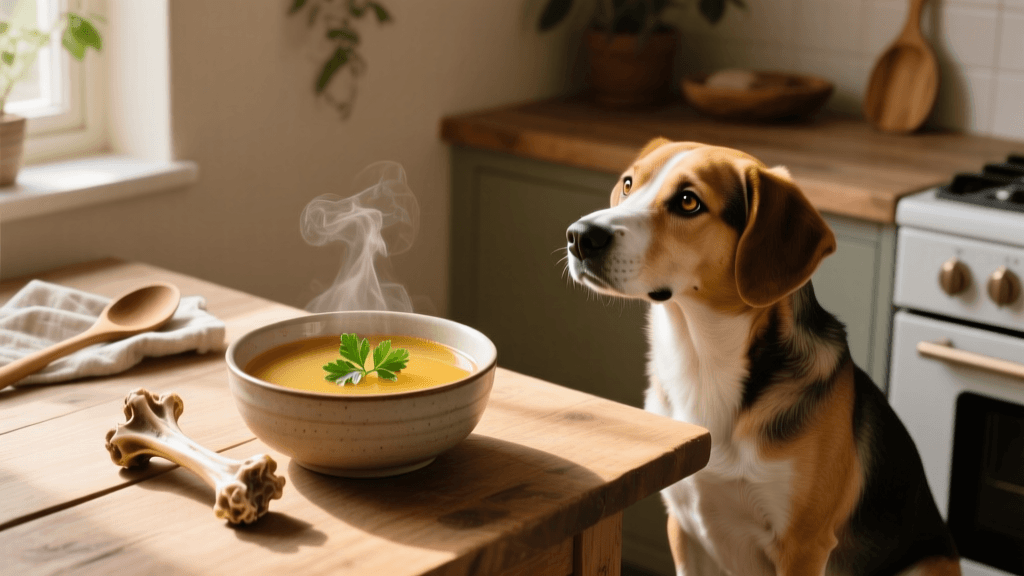
The Social Media Trend That Veterinarians Actually Approve
If you have spent any time scrolling through PetTok, Instagram Reels, or canine enrichment groups lately, you have undoubtedly encountered the viral dog bone broth trend. From aesthetically pleasing frozen broth pupsicles to elaborate lick mat recipes, pet parents are obsessing over this golden elixir. But beyond the viral appeal and the satisfying ASMR crunch of dogs eating frozen broth, there is a profound, science-backed reason why holistic veterinarians and canine nutritionists are championing bone broth. It is not just a trendy treat; it is a functional superfood that targets joint health, gut healing, and deep cellular hydration.
Unlike human food fads that often lack substance, the bone broth trend for dogs is rooted in ancestral feeding practices and modern veterinary nutritional science. When prepared correctly, bone broth is a rich source of bioavailable collagen, amino acids, and trace minerals that are frequently missing from highly processed commercial kibble. In this comprehensive guide, we will break down the exact science behind the trend, compare costs, provide a vet-approved recipe, and outline precise feeding guidelines to ensure your dog reaps the maximum health benefits without experiencing digestive upset.
The Science of Simmering: What Makes Bone Broth a Superfood?
When you simmer animal bones and connective tissues for an extended period, a chemical breakdown occurs that releases powerful nutrients into the water. According to the American Kennel Club (AKC), bone broth is packed with vitamins and minerals that support overall canine health. But the real magic lies in the specific amino acids and compounds that are extracted during the slow-cooking process.
Collagen, Glucosamine, and Chondroitin
These are the building blocks of healthy cartilage and synovial fluid. As dogs age, their natural production of these compounds slows down, leading to joint stiffness and mobility issues. Bone broth provides a highly bioavailable, natural source of these joint-supporting nutrients, making it an excellent dietary addition for senior dogs or active working breeds prone to hip and elbow dysplasia.
Glycine and Proline
Glycine is an amino acid that plays a critical role in liver detoxification and the synthesis of glutathione, the body's master antioxidant. Proline is essential for tissue repair and maintaining the structural integrity of the skin, coat, and blood vessels.
Glutamine and the Gut-Brain Axis
Glutamine is the primary fuel source for the cells lining the gastrointestinal tract. For dogs suffering from leaky gut syndrome, inflammatory bowel disease (IBD), or chronic allergies, glutamine helps seal the intestinal lining, preventing toxins from entering the bloodstream. Furthermore, the gut-brain axis in canines is an emerging field of veterinary research. A healthy gut microbiome produces a significant portion of the body's serotonin. By healing the gut lining with glutamine-rich bone broth, you may notice secondary improvements in your dog's mood, focus, and stress resilience. Dogs with chronic gastrointestinal inflammation often exhibit signs of anxiety or lethargy, both of which can be mitigated through targeted nutritional therapy.
Targeting Joint Health and Osteoarthritis
Osteoarthritis is one of the most common chronic conditions in dogs, affecting up to 20% of the adult canine population. The degradation of cartilage leads to painful bone-on-bone friction. While bone broth is not a replacement for veterinary-prescribed NSAIDs or physical therapy, it serves as a powerful complementary nutritional therapy. The natural chondroitin and hyaluronic acid found in the connective tissues of simmered bones help lubricate the joints and reduce systemic inflammation. VCA Animal Hospitals notes that maintaining optimal joint health requires a multi-modal approach, and nutritional support through collagen-rich foods is a highly recommended pillar of that strategy.
Combating Chronic Mild Dehydration
Most commercial dry dog foods (kibble) contain less than 10% moisture. In contrast, a dog's natural ancestral diet would consist of prey with upwards of 70% moisture content. Many kibble-fed dogs live in a state of chronic, mild dehydration, which can stress the kidneys and urinary tract over time, especially in senior dogs or breeds prone to struvite and calcium oxalate crystals. Adding a few ounces of water-rich bone broth to your dog's daily meals is an effortless way to boost their fluid intake, support renal function, and maintain optimal cellular hydration without forcing them to drink more from their water bowl.
Homemade vs. Store-Bought: A Cost and Nutrition Comparison
Not all broths are created equal. The internet is full of well-meaning but dangerous advice suggesting pet parents use human bouillon cubes or store-bought cooking stocks. Human broths are notoriously high in sodium and frequently contain onion and garlic powders, which are highly toxic to dogs and can cause life-threatening hemolytic anemia. Always refer to the ASPCA Animal Poison Control guidelines regarding toxic alliums. Below is a comparison of the most common broth options for dogs.
| Broth Type | Avg. Cost per Ounce | Sodium Content | Additives & Preservatives | Veterinary Verdict |
|---|---|---|---|---|
| Homemade (Slow Cooker) | $0.10 - $0.15 | Naturally Low | None | Excellent (Gold Standard) |
| Premium Pet-Specific (e.g., Brutus) | $0.50 - $0.75 | Low | Minimal (Natural) | Great (Convenient Alternative) |
| Human Cartons (Unsalted) | $0.25 - $0.40 | Moderate | Possible Onion/Garlic Extract | Risky (Read Labels Carefully) |
| Human Bouillon / Stock Cubes | $0.05 | Extremely High | MSG, Onion, Garlic, Yeast | TOXIC - Avoid Completely |
The Ultimate Vet-Approved Homemade Bone Broth Recipe
Making bone broth at home is surprisingly cost-effective and allows you to control every single ingredient. You will need a slow cooker or a large stockpot. The key to extracting the maximum amount of collagen and minerals is the addition of an acidic medium, which helps demineralize the bones.
Ingredients and Measurements
- 2 lbs Beef Marrow Bones or Chicken Feet/Necks: Sourced from grass-fed, pasture-raised animals to avoid concentrated heavy metals and antibiotics. (Cost: ~$6-$8 from a local butcher).
- 2 Tablespoons Raw Apple Cider Vinegar (ACV): Must contain 'the mother'. The acidity pulls calcium, magnesium, and potassium from the bone matrix.
- 1 Gallon Filtered Water: Enough to cover the bones by about two inches.
- Optional Dog-Safe Veggies: 2 large carrots (chopped), 3 stalks of celery, and a handful of fresh parsley for added vitamins and breath-freshening properties.
Step-by-Step Instructions
- The Soak: Place the bones and ACV in the slow cooker with cold water. Let it sit unheated for 30 minutes. This jumpstarts the demineralization process.
- The Simmer: Turn the slow cooker to LOW. Cover and let it simmer for a minimum of 24 hours for poultry, or 48 to 72 hours for beef bones. The longer it cooks, the more collagen is extracted.
- The Additions: During the last 2 hours of cooking, add your dog-safe vegetables and parsley.
- Strain and Skim: Carefully strain the liquid through a fine-mesh sieve. Discard the bones immediately (cooked bones splinter and are a severe choking and perforation hazard). Let the broth cool in the refrigerator. The fat will rise to the top and solidify into a white layer. Skim this fat off and discard it, as excessive fat can trigger pancreatitis in dogs.
- Storage: Store in glass mason jars in the fridge for up to 5 days, or pour into silicone molds and freeze for up to 6 months.
Safe Feeding Guidelines and Portion Control
Because bone broth is incredibly rich in collagen and natural fats, introducing it too quickly can lead to gastrointestinal distress, specifically loose stools or diarrhea. Always start with a micro-dose and gradually increase to the recommended daily serving size.
- Small Dogs (Under 20 lbs): Start with 1 teaspoon daily. Target serving: 1 to 2 ounces per day.
- Medium Dogs (20 - 50 lbs): Start with 1 tablespoon daily. Target serving: 2 to 4 ounces per day.
- Large Dogs (50+ lbs): Start with 2 tablespoons daily. Target serving: 4 to 8 ounces per day.
Pro Tip: If your dog experiences soft stools, reduce the portion by half and increase it more slowly over a two-week period to allow their gut microbiome to adapt to the high gelatin content.
Viral Enrichment: Pupsicles and Lick Mats
The viral nature of bone broth is not just about health; it is about canine enrichment. Mental stimulation is a crucial component of overall wellbeing. You can use your homemade broth to create engaging puzzles that slow down eating and reduce anxiety.
- The Kong Pupsicle: Stuff a rubber Kong toy with your dog's favorite kibble or mashed sweet potato, then pour liquid bone broth over it and freeze for 12 hours. This provides up to 45 minutes of sustained licking, which releases endorphins and soothes anxious dogs during thunderstorms or fireworks.
- The Lick Mat Smear: Spread plain Greek yogurt or canned pumpkin on a textured silicone lick mat, drizzle with bone broth, and freeze. The grooves force the dog to use their tongue to extract the food, promoting saliva production which aids in digestion and dental health.
Conclusion: A Trend Worth Following
The viral bone broth trend is a rare instance where social media aesthetics align perfectly with veterinary nutritional science. By investing a few dollars and a little bit of time into slow-simmering bones, you are providing your dog with a potent, natural source of joint support, gut-healing amino acids, and vital hydration. Whether you are managing an aging dog's arthritis, soothing a puppy's sensitive stomach, or simply looking for a safe, engaging enrichment activity, bone broth is a functional superfood that deserves a permanent spot in your dog's daily wellness routine.
priya-sutaria
All our authors care for dogs every day — read more of their work on the authors page.