Viral Dog Enrichment Hacks: Lick Mats and Canine Mental Health
Discover if viral dog enrichment hacks like lick mats and snuffle mats actually reduce canine anxiety. Expert tips, costs, and mental health benefits.
The Viral Phenomenon of Canine Enrichment
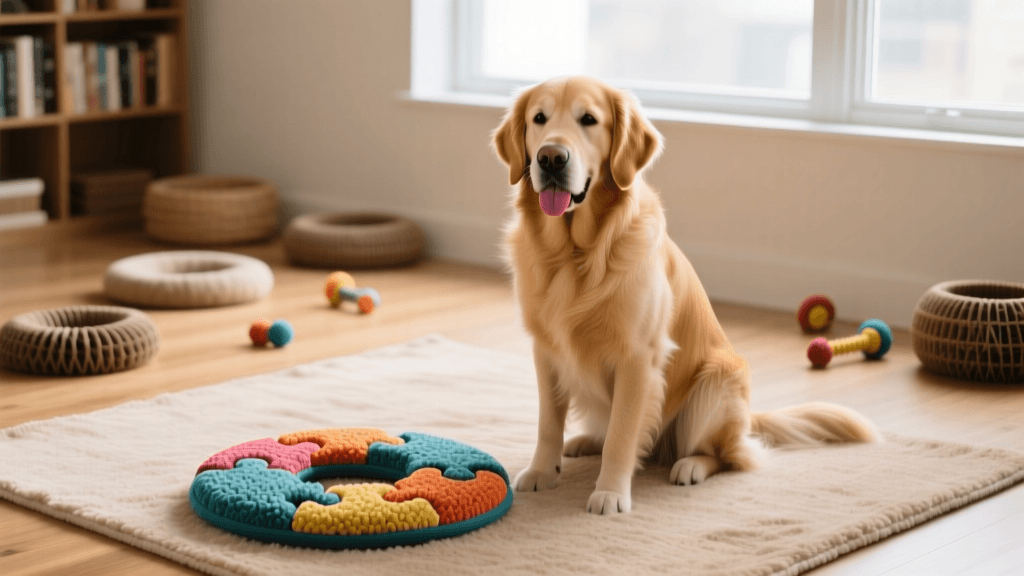
Social media platforms like TikTok and Instagram have recently been dominated by the #DogEnrichment hashtag, accumulating billions of views across various creator accounts. Dog owners are increasingly turning away from traditional stainless steel food bowls and instead opting for textured lick mats, fleece snuffle mats, and complex multi-stage puzzle feeders. But beyond the aesthetic appeal of a perfectly frozen yogurt treat or the colorful visuals of a foraging session, do these viral dog enrichment hacks actually hold scientific weight? As a core component of modern canine mental health, environmental enrichment is no longer just a passing internet trend; it is a veterinary-recommended practice designed to combat anxiety, boredom, and cognitive decline. In this comprehensive guide, we break down the most popular viral enrichment tools, analyze their psychological benefits, and provide a practical, actionable routine to elevate your dog's mental wellbeing.
The Science Behind Canine Mental Stimulation
To understand why these tools work, we must look closely at canine neurology and behavioral science. According to behavioral experts at Fear Free Pets, enrichment is defined as providing mental and sensory stimulation that encourages natural, instinctive behaviors. When a dog engages in foraging, chewing, or licking, their brain releases dopamine and endorphins, which are neurotransmitters associated with pleasure and reward.
Licking, in particular, is a profound self-soothing behavior. The repetitive motion of the tongue activates the parasympathetic nervous system, effectively lowering the dog's heart rate, reducing cortisol levels, and inducing a state of calm. This is why lick mats are heavily recommended for high-stress events like thunderstorms, fireworks, or veterinary visits. Similarly, a dog's olfactory system is deeply connected to the brain's emotional and memory centers. The RSPCA emphasizes that scent-based activities mimic natural foraging behaviors, providing a level of cognitive fatigue that a simple thirty-minute neighborhood walk simply cannot achieve. Sniffing requires intense mental focus, which tires out the brain just as running tires out the muscles.
Breakdown of Viral Enrichment Tools
1. Lick Mats (e.g., LickiMat Soother, Hyper Pet IQ Mate)
Lick mats feature textured silicone surfaces designed to slow down consumption and encourage repetitive licking. To use a lick mat effectively, spread two tablespoons of plain, unsweetened Greek yogurt or pure pumpkin puree (ensure it is 100% pumpkin, not spiced pie filling) across the grooves. Add a teaspoon of xylitol-free peanut butter for extra adherence. Place the mat in the freezer for exactly 45 minutes. This freezing process transforms a two-minute snack into a twenty-minute mental workout. The average cost for a high-quality, food-grade silicone lick mat ranges from $8 to $15.
2. Snuffle Mats (e.g., Paw5 Wooly Snuffle Mat, Stellairewern)
The snuffle mat is a viral staple, particularly popular among owners of high-energy breeds, working dogs, and scent hounds. These mats consist of dense fleece strips tied securely to a rubber or fabric base. To use this tool, take half a cup of your dog's daily kibble and work the pieces deep into the fleece folds. This forces your dog to use their nose rather than their eyes to locate their food. Snuffle mats typically cost between $15 and $35. It is crucial to wash these mats weekly in cold water to prevent bacterial buildup and maintain the integrity of the fleece.
3. Interactive Puzzle Feeders (e.g., Kong Classic, Outward Hound Dog Brick)
Interactive puzzle feeders require physical manipulation, spatial reasoning, and problem-solving. These toys are excellent for combating boredom and preventing destructive behaviors like furniture chewing. For a beginner dog, leave the compartments open on the Dog Brick to build confidence and prevent frustration. As your dog masters the mechanics, introduce the sliding blocks and lifting pegs to increase the difficulty. Puzzle toys range from $12 to $25 and are highly durable, making them a cost-effective long-term investment in your dog's cognitive health.
Comparison Chart: Viral Enrichment Tools
| Tool | Primary Benefit | Best For | Average Cost | Prep Time |
|---|---|---|---|---|
| Lick Mat | Soothing, anxiety relief | High-stress events (storms, guests, grooming) | $8 - $15 | 5 mins + 45 mins freezing |
| Snuffle Mat | Olfactory stimulation | High-energy dogs, scent hounds, fast eaters | $15 - $35 | 2 mins |
| Puzzle Toy | Cognitive fatigue, problem-solving | Intelligent breeds, chronic boredom, chewers | $12 - $25 | 3 mins |
Actionable Routine: The 15-Minute Daily Enrichment Plan
Integrating these tools into your daily schedule does not require hours of free time. Here is a practical, timed routine designed for working professionals to maximize their dog's mental health:
- Morning (7:00 AM) - The Foraging Breakfast: Instead of placing your dog's morning kibble in a bowl, use the Snuffle Mat. Measure out exactly one-half cup of kibble and hide it in the fleece. This adds 10 minutes of mental stimulation to their morning and prevents the post-breakfast energy spike.
- Afternoon (12:30 PM) - The Decompression Session: If you work from home or have a dog walker visit, provide the frozen Lick Mat. The licking action will help your dog transition into a relaxed state for their afternoon nap, reducing separation anxiety or mid-day restlessness.
- Evening (6:00 PM) - The Cognitive Dinner: Serve their evening meal inside the Puzzle Feeder. Start with an easy configuration. This engages their brain after a day of resting and provides a satisfying, rewarding end to the day.
Safety Precautions and Common Mistakes
While viral enrichment hacks are highly beneficial, they must be implemented with strict safety protocols. The ASPCA frequently warns pet owners about the hidden dangers of improper treat usage and toxic ingredients.
Critical Warning: Never use peanut butter or yogurt products that contain Xylitol (also known as birch sugar). Xylitol is highly toxic to dogs and can cause rapid, life-threatening hypoglycemia and liver failure. Always read the ingredient label carefully.
Additionally, you must account for the calories used in enrichment activities. Treats and spreads should not exceed 10% of your dog's total daily caloric intake. Subtract the calories from the pumpkin puree, yogurt, and peanut butter from their daily kibble allowance to prevent obesity, which is a leading cause of joint disease and metabolic disorders in dogs.
Finally, always supervise your dog when using silicone lick mats or fabric snuffle mats. Aggressive chewers may bite off and swallow pieces of silicone or fleece, leading to severe gastrointestinal blockages that require emergency surgical intervention. If your dog attempts to chew the mat rather than lick or forage, remove it immediately and switch to a hard rubber puzzle toy like the Kong Classic.
Conclusion
The viral dog enrichment trend is one of the few internet fads that is fully backed by veterinary behaviorists. By incorporating lick mats, snuffle mats, and puzzle feeders into your daily routine, you are doing much more than just keeping your dog occupied. You are actively regulating their nervous system, satisfying their innate biological drives, and protecting their long-term cognitive health. Start with one tool, monitor your dog's response, and gradually build a comprehensive enrichment library that supports a happier, calmer, and healthier canine companion.
beth-carrasco
All our authors care for dogs every day — read more of their work on the authors page.