Canine Heatstroke: Emergency Response and Safety Guide
Learn how to identify, treat, and prevent dog heatstroke with our emergency safety guide. Includes cooling techniques, warning signs, and vet care tips.
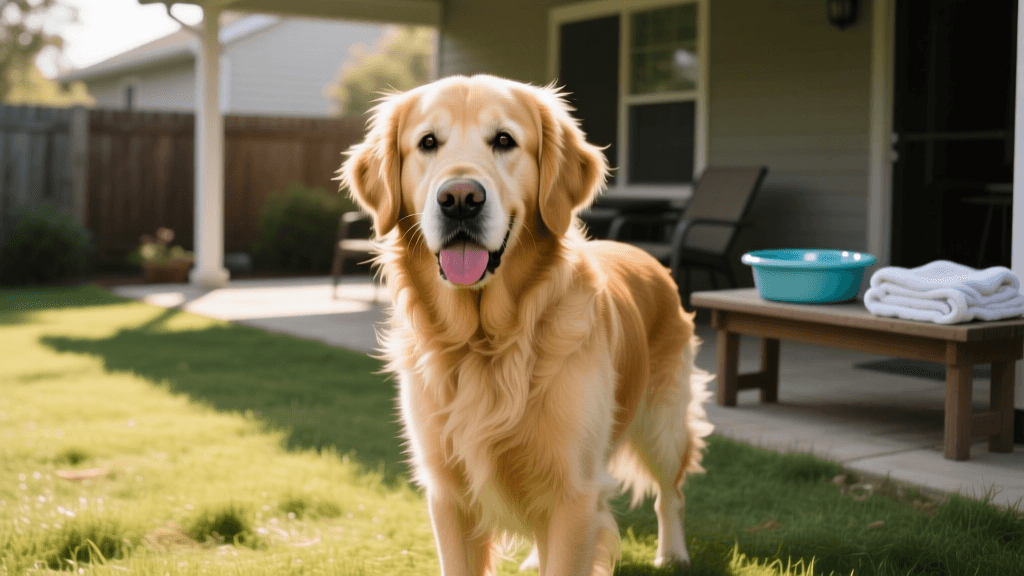
Understanding Canine Heatstroke: A Silent Summer Killer
As temperatures rise, the risk of canine heatstroke becomes one of the most critical threats to your dog's health and wellbeing. Unlike humans, who cool down primarily through sweating, dogs rely on panting and vasodilation (the expansion of blood vessels near the skin) to regulate their core body temperature. When the external environment exceeds a dog's ability to shed heat, their internal thermostat fails, leading to a rapid and life-threatening spike in core temperature.
A dog's normal resting body temperature ranges from 101°F to 102.5°F (38.3°C to 39.2°C). Once the core temperature surpasses 104°F (40°C), the dog enters the danger zone of heat exhaustion. If it breaches 106°F (41.1°C), true heatstroke occurs, triggering systemic inflammatory responses, cellular damage, and potentially fatal multi-organ failure. According to VCA Animal Hospitals, the mortality rate for canine heatstroke can be as high as 50% if not treated immediately and aggressively.
Identifying the Stages of Heat Stress
Recognizing the subtle shift from normal panting to medical distress is the cornerstone of emergency safety. Use the following clinical chart to assess your dog's condition in real-time.
| Stage | Core Temperature | Primary Symptoms | Required Action |
|---|---|---|---|
| Normal | 101°F - 102.5°F | Mild panting after exercise, alert, pink gums. | Provide shade and fresh water. |
| Heat Stress | 103°F - 104°F | Heavy panting, excessive drooling, seeking cool surfaces, elevated heart rate. | Move to AC, offer tepid water, monitor closely. |
| Heat Exhaustion | 104°F - 105.5°F | Bright red gums, vomiting, diarrhea, stumbling, extreme lethargy. | Begin active cooling protocol; contact vet. |
| Heatstroke | 106°F+ | Seizures, collapse, blue/pale gums, coma, bleeding disorders. | EMERGENCY: Cool and transport to ER vet immediately. |
Brachycephalic breeds (such as French Bulldogs, Pugs, and English Bulldogs) are disproportionately vulnerable due to their compromised airways. Senior dogs, obese dogs, and those with underlying cardiac or respiratory conditions also face exponentially higher risks, as noted by the American Kennel Club (AKC).
The 5-Step Emergency Response Protocol
If you suspect your dog is suffering from heatstroke, every second counts. Do not wait to see if symptoms improve. Execute the following emergency safety protocol immediately:
Step 1: Relocate to a Controlled Environment
Move the dog out of direct sunlight immediately. An air-conditioned vehicle or a shaded, well-ventilated indoor area is ideal. If you are outdoors with no AC, find deep shade and create a cross-breeze.
Step 2: Apply Tepid Water (Never Ice)
Douse your dog's body with cool or tepid water (75°F to 80°F). Focus on the paw pads, the belly, and the armpits, where blood vessels are closest to the skin. Crucial Safety Warning: Never use ice or ice-cold water. Extreme cold causes rapid vasoconstriction (narrowing of blood vessels), which traps the dangerous heat inside the dog's core organs and halts the cooling process.
Step 3: Maximize Airflow
Water alone is not enough; evaporation is the key to heat transfer. Position a fan to blow directly over the dog's wet coat, or use a portable, battery-operated neck fan if you are in transit. Keep the car windows down or the AC blasting during transport.
Step 4: Offer Small Sips of Water
Offer cool (not freezing) water in small amounts. If the dog is vomiting, unconscious, or unable to swallow, do not force water into their mouth, as this can lead to fatal aspiration pneumonia. Instead, wet their gums with a damp cloth or rub a tiny amount of honey or corn syrup on their gums to maintain blood sugar levels.
Step 5: Transport and Monitor Core Temperature
Load the dog into the vehicle and head to the nearest emergency veterinary clinic. Call ahead so the triage team can prepare an oxygen cage and cold IV fluids. If you have a digital rectal thermometer, check the dog's temperature every 5 minutes during transit. Stop all active cooling measures once the dog's temperature reaches 103°F to prevent rebound hypothermia.
Critical Mistakes to Avoid During an Emergency
Well-meaning owners often make critical errors that worsen the dog's prognosis. Avoid these common pitfalls:
- Do not cover the dog with wet towels. A wet towel draped over a dog's back acts as an insulator, trapping the rising heat against the body rather than allowing it to dissipate.
- Do not submerge the dog in an ice bath. As mentioned, this induces shock and traps core heat.
- Do not leave the dog unattended in a vehicle, even with the windows cracked or the AC running. A parked car's AC can fail, and temperatures can reach 120°F within 15 minutes on an 85°F day, according to ASPCA Summer Safety guidelines.
Preventive Gear and Safety Investments
Prevention is vastly superior to emergency intervention. Investing in specialized safety gear can mitigate heat absorption during unavoidable outdoor exposure.
- Cooling Vests: Products like the Ruffwear Swamp Cooler Vest ($60–$80) utilize evaporative cooling technology. You soak the vest in water, wring it out, and strap it to your dog. As the water evaporates, it pulls heat away from the dog's core.
- Paw Protection: Asphalt can reach 145°F on a 90°F day, causing severe third-degree burns in seconds. Apply Musher's Secret Paw Wax ($15–$20) to create a semi-permeable shield, or use breathable, rubber-soled dog boots like Ruffwear Grip Trex.
- Hydration Systems: Carry a portable water bottle with an integrated trough, such as the Kurgo Zippy Bowl or Mr. Peanut's Interactive Bottle, offering water every 15 to 20 minutes during summer hikes.
Post-Emergency Veterinary Care and Recovery
Even if your dog appears to recover after your at-home cooling efforts, immediate veterinary evaluation is non-negotiable. Heatstroke causes microscopic damage that is not immediately visible. The extreme internal temperatures denature proteins and damage the endothelial lining of blood vessels, leading to a condition known as Systemic Inflammatory Response Syndrome (SIRS). Your veterinarian will likely perform a comprehensive blood panel to check for elevated liver enzymes, kidney markers (BUN and Creatinine), and blood clotting times. Intravenous fluid therapy is almost always required to flush toxins from the kidneys, maintain blood pressure, and correct severe electrolyte imbalances. In severe cases, dogs may require plasma transfusions to combat bleeding disorders or gastroprotectants to prevent sloughing of the intestinal lining. Recovery can take weeks, and some dogs may suffer permanent neurological or organ damage.
The Financial Impact of Heatstroke Emergencies
Beyond the emotional toll, a heatstroke emergency carries a severe financial burden. An emergency veterinary stabilization visit typically ranges from $500 to $1,200. However, because heatstroke causes systemic damage—including acute kidney injury, disseminated intravascular coagulation (DIC), and brain swelling—most dogs require 24 to 72 hours in the Intensive Care Unit (ICU). ICU care, including continuous cold IV fluid therapy, oxygen support, and frequent blood panels, can easily escalate the final bill to $3,000–$6,000 or more. Pet insurance policies that cover emergency and hereditary conditions can help offset these catastrophic costs, provided the incident is not deemed a result of owner negligence (such as leaving a dog in a hot car).
Conclusion
Canine heatstroke is a fast-moving, unforgiving emergency, but it is entirely preventable. By understanding your dog's physiological limits, recognizing the early stages of heat stress, and executing a rapid, scientifically sound cooling protocol, you can save your dog's life. Always prioritize early morning or late evening walks, invest in evaporative cooling gear, and never underestimate the speed at which a warm day can turn into a lethal environment for your best friend.
tom-renshaw
All our authors care for dogs every day — read more of their work on the authors page.