Senior Dog Care Guide: Diet, Joints, and Cognitive Health
Discover essential senior dog care tips covering age-appropriate nutrition, joint support, and cognitive health to keep your aging canine thriving.

Embracing Your Dog's Golden Years
Watching your vibrant, energetic puppy transition into a distinguished senior dog is one of the most rewarding, yet bittersweet, experiences of pet ownership. While their muzzle may be graying and their pace may be slowing, the golden years can be incredibly fulfilling for both you and your canine companion. However, aging brings a unique set of physiological and cognitive changes that require proactive management. According to the American Veterinary Medical Association (AVMA), senior dogs require specialized care routines that address their evolving metabolic, orthopedic, and neurological needs. This comprehensive life stage care guide will walk you through the exact nutritional shifts, joint management strategies, and cognitive support techniques necessary to optimize your senior dog's quality of life.
When is a Dog Considered a Senior?
The threshold for 'senior' status is not a one-size-fits-all number; it is heavily dictated by your dog's breed and adult body weight. Larger breeds age much faster than their smaller counterparts due to accelerated growth rates and increased metabolic stress on their bodies.
- Small Breeds (Under 20 lbs): Generally considered senior at 10 to 12 years of age.
- Medium Breeds (21 to 50 lbs): Typically enter their senior years around 8 to 9 years of age.
- Large Breeds (51 to 90 lbs): Often classified as seniors by 6 to 7 years of age.
- Giant Breeds (Over 90 lbs): May exhibit senior characteristics as early as 5 years of age.
Understanding your dog's specific life stage timeline is crucial for implementing preventive care before age-related decline becomes irreversible.
Nutritional Shifts for the Aging Canine
One of the most pervasive myths in canine nutrition is that all senior dogs need a low-protein diet to protect their kidneys. In reality, unless your dog has been specifically diagnosed with chronic kidney disease (CKD), aging dogs actually require more high-quality, highly digestible protein to prevent sarcopenia (age-related muscle loss). The Tufts Cummings School of Veterinary Medicine emphasizes that protein restriction in healthy senior dogs can lead to dangerous muscle wasting and weakened immune function.
Instead of reducing protein, focus on adjusting caloric intake and enhancing specific micronutrients. Senior dogs generally have a slower metabolism and decreased activity levels, making them prone to obesity, which exacerbates joint pain. Conversely, some seniors experience a diminished sense of smell and taste, leading to weight loss. You must monitor your dog's Body Condition Score (BCS) monthly and adjust portions accordingly.
Adult vs. Senior Nutritional Comparison
| Nutrient / Factor | Adult Maintenance (1-7 Years) | Healthy Senior Needs (7+ Years) |
|---|---|---|
| Protein | 18% - 22% (Dry Matter Basis) | 25% - 32% (Highly Digestible Sources) |
| Fat | 8% - 15% | 8% - 12% (To manage caloric density) |
| Phosphorus | Standard Levels | Moderately Restricted (If early CKD is suspected) |
| Omega-3 Fatty Acids | Moderate (For coat and skin) | High (EPA/DHA for joint and brain inflammation) |
| Fiber | Standard | Increased (To promote gastrointestinal motility) |
Joint Health and Mobility Management
Osteoarthritis (OA) is the most common chronic disease in senior dogs, affecting up to 80% of canines over the age of eight. Managing joint health requires a multi-modal approach combining veterinary medicine, targeted supplementation, and environmental modifications.
Targeted Supplementation
Over-the-counter joint supplements should be a staple in your senior dog's daily routine. Look for products containing a synergistic blend of Glucosamine Hydrochloride, Chondroitin Sulfate, and MSM. More importantly, high-dose Omega-3 fatty acids (specifically EPA and DHA derived from wild-caught fish oil) are clinically proven to reduce joint inflammation. The recommended therapeutic dosage for osteoarthritis is between 75 to 100 mg of combined EPA/DHA per kilogram of body weight daily. For a 30 kg (66 lb) dog, this equates to roughly 2,250 to 3,000 mg of EPA/DHA per day. Always consult your vet before starting high-dose regimens.
Environmental Modifications
Your home environment should be adapted to accommodate declining mobility and vision. Implement the following actionable changes:
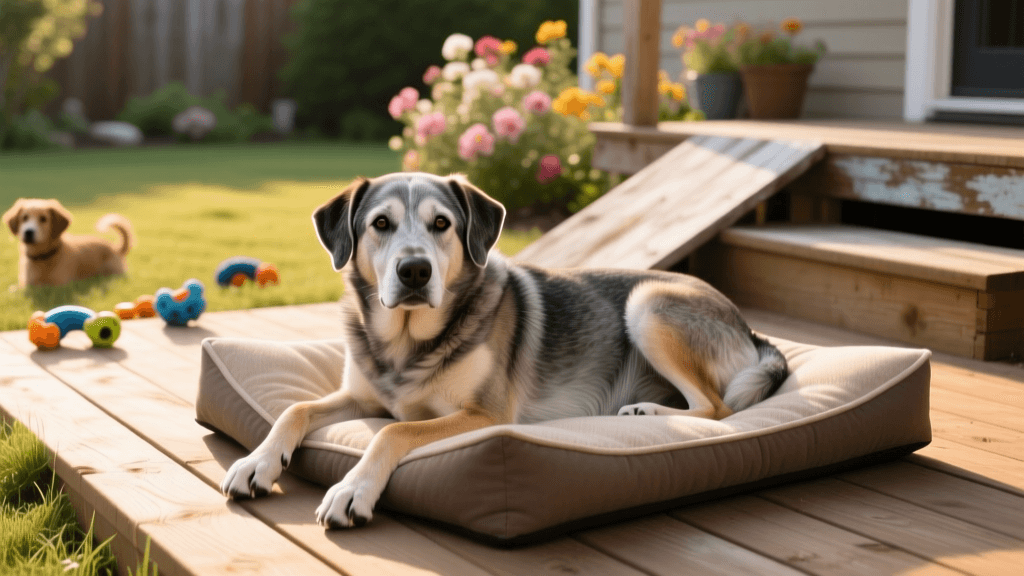
- Orthopedic Bedding: Invest in a bed with at least 4 to 6 inches of high-density, medical-grade memory foam to relieve pressure points on the hips and elbows. Expect to spend between $80 and $180 for a high-quality, chew-resistant orthopedic bed.
- Non-Slip Flooring: Hardwood and tile floors are incredibly hazardous for arthritic dogs. Lay down interlocking foam puzzle mats or low-pile, rubber-backed area rugs in high-traffic zones and near your dog's bed and water bowls.
- Pet Ramps and Stairs: Jumping on and off furniture or into vehicles accelerates joint degradation. Use a pet ramp with an 18 to 25-degree incline, covered in a high-traction material like astroturf or ribbed carpet. Ensure the ramp is wide enough (minimum 16 inches) so your dog feels secure.
- Elevated Bowls: Raise food and water bowls to your dog's lower chest height to prevent unnecessary strain on the cervical spine and front shoulders during meals.
Cognitive Dysfunction Syndrome (CDS)
Just as humans can develop Alzheimer's disease, senior dogs are susceptible to Canine Cognitive Dysfunction (CCD). The American Kennel Club (AKC) notes that CCD affects a significant portion of dogs over the age of 11. Recognizing the early signs is vital for slowing the progression of neurological decline.
The DISHA Acronym
Veterinarians use the DISHA acronym to help owners identify the hallmark symptoms of cognitive decline:
- D - Disorientation: Wandering aimlessly, getting stuck in corners, or staring blankly at walls.
- I - Interactions: Altered interactions with family members, including increased irritability or unusual clinginess.
- S - Sleep-Wake Cycle Disturbances: Pacing or whining at night and sleeping excessively during the day.
- H - Housetraining: Forgetting previously learned house rules or signaling to go outside.
- A - Activity Levels: Decreased interest in exploring, playing, or responding to familiar stimuli.
Supporting Brain Health
If you notice any DISHA symptoms, consult your veterinarian immediately. Prescription medications like Selegiline (Anipryl) can help increase dopamine levels in the brain. At home, you can support cognitive function through dietary and environmental enrichment:
- MCT Oil (Medium-Chain Triglycerides): The aging brain struggles to metabolize glucose efficiently. MCT oil provides an alternative energy source (ketones) for the brain. Start with a conservative dose of 1/4 teaspoon per 10 lbs of body weight daily, mixed into food, and gradually increase to avoid gastrointestinal upset.
- Mental Enrichment: Physical exercise may be limited, but mental exercise is just as important. Utilize puzzle feeders, snuffle mats, and soft rubber treat-dispensing toys (like the Kong Senior, which is gentler on aging teeth). Spending 15 minutes a day on scent-work or low-impact training sessions stimulates neuroplasticity and delays cognitive aging.
- Antioxidant-Rich Diets: Diets fortified with Vitamin E, Vitamin C, Selenium, and L-Carnitine help combat oxidative stress in brain tissue. Consider incorporating safe, dog-friendly antioxidant snacks like blueberries or small pieces of steamed broccoli into their daily routine.
Preventive Veterinary Care and Financial Planning
The cornerstone of successful senior dog care is shifting from a reactive medical approach to a proactive one. While adult dogs typically require annual wellness exams, senior dogs should visit the veterinarian every six months. Because dogs age rapidly, a six-month gap is equivalent to several years in human time; waiting a full year to run bloodwork could mean missing the early, manageable stages of a disease.
The Senior Wellness Panel
Request a comprehensive senior blood panel and urinalysis at every bi-annual visit. This panel should include:
- SDMA (Symmetric Dimethylarginine): A biomarker that detects kidney function loss much earlier than traditional BUN and Creatinine tests.
- Comprehensive Thyroid Panel (Free T4, TSH): To rule out hypothyroidism, which can mimic symptoms of cognitive decline and lethargy.
- Liver Enzymes (ALT, ALP): To monitor for hepatic lipidosis or age-related liver changes.
- Urinalysis with Culture: Senior dogs are highly prone to subclinical urinary tract infections, which can cause sudden behavioral changes and confusion.
Financially, you should budget between $150 and $250 for a comprehensive senior wellness panel every six months. While this may seem like a significant upfront cost, early detection of conditions like hypothyroidism or early-stage kidney disease can save thousands of dollars in emergency interventions later, not to mention preserving your dog's comfort and longevity.
Conclusion
Caring for a senior dog requires patience, observation, and a willingness to adapt to their changing needs. By optimizing their diet with highly digestible proteins, aggressively managing joint inflammation through targeted supplementation and home modifications, and actively stimulating their aging brain, you can profoundly impact their twilight years. Your dog has spent their entire life devoted to your happiness; investing the time and resources into their senior care is the ultimate way to honor that lifelong bond.
beth-carrasco
All our authors care for dogs every day — read more of their work on the authors page.