Is Viral Bone Broth Safe for Dogs? Joint Health and Digestion Facts
Discover the truth behind the viral dog bone broth trend. Learn about joint health benefits, safe preparation, and hidden sodium risks for your pup.
The Viral Bone Broth Trend: Superfood or Overhyped?
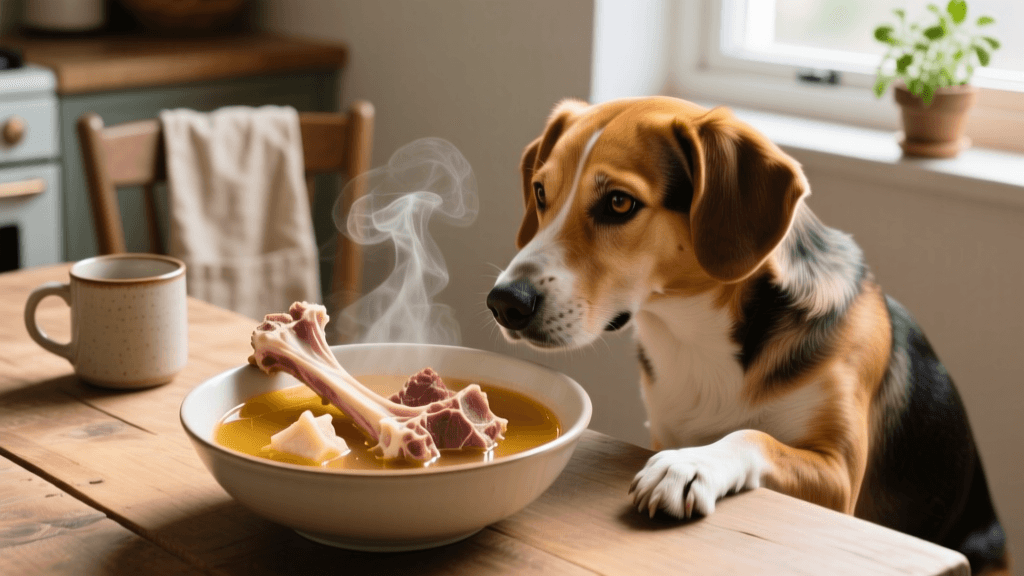
If you spend any time on PetTok, Instagram dog communities, or canine wellness forums, you have undoubtedly seen the viral bone broth trend. Influencers and pet parents alike are pouring steaming, gelatinous bone broth over dry kibble, freezing it into lick mats, or even using it as a base for homemade doggy ice cream. The claims surrounding this trend are massive: proponents argue that bone broth can cure leaky gut syndrome, reverse canine osteoarthritis, boost the immune system, and dramatically improve hydration.
But as with any viral pet health trend, it is crucial to separate evidence-based veterinary science from social media hype. While bone broth can indeed be a nutritious, low-calorie topper that encourages picky eaters and provides supplemental hydration, improper preparation or reliance on human-grade supermarket broths can lead to severe health emergencies. In this comprehensive guide, we break down the actual science of bone broth for dogs, the hidden dangers of viral recipes, and how to safely incorporate this trending superfood into your dog's daily wellness routine.
The Nutritional Science: Collagen, Glycine, and Joint Health
When simmered correctly for extended periods, animal bones and connective tissues break down to release valuable nutrients. The primary star of bone broth is collagen, a structural protein that breaks down into gelatin and amino acids like glycine, proline, and glutamine during the cooking process.
Joint Lubrication and Cartilage Support
As dogs age, their natural collagen production decreases, leading to the degradation of joint cartilage and the onset of osteoarthritis. The glucosamine and chondroitin sulfate naturally present in simmered cartilage (especially from chicken feet and beef knuckles) serve as building blocks for joint repair. According to the American Kennel Club (AKC), the natural gelatin found in properly prepared bone broth can help protect and lubricate a dog's joints, potentially reducing the stiffness associated with canine arthritis and hip dysplasia.
Gut Health and the Amino Acid Glycine
Glycine is an amino acid abundant in bone broth that plays a vital role in synthesizing glutathione, a powerful antioxidant. Furthermore, the gelatin in bone broth can bind to water in the digestive tract, helping to soothe the mucosal lining of the gut. This is why many holistic veterinarians recommend bone broth as a supportive dietary addition for dogs recovering from gastrointestinal upset, inflammatory bowel disease (IBD), or 'leaky gut' syndrome.
The Viral 'Bone Broth Fasting' Trend: A Vet's Warning
A dangerous offshoot of the human wellness community that has recently spilled over into the canine space is 'bone broth fasting.' Some viral social media posts advocate withholding solid food from dogs for 24 to 48 hours, replacing meals entirely with bone broth to 'detoxify' the liver and rest the digestive system.
Veterinary Warning: Fasting is highly dangerous for many dogs. Toy breeds, puppies, senior dogs, and dogs with underlying metabolic conditions (like diabetes) can rapidly develop life-threatening hypoglycemia (low blood sugar) if deprived of solid calories. Furthermore, dogs do not require 'detox' fasts; their livers and kidneys are naturally equipped to filter toxins. Always consult your primary veterinarian before making drastic caloric restrictions, and never replace a dog's balanced, AAFCO-approved meals with liquid broth.
Hidden Dangers: Human Broths, Sodium, and Allium Toxicity
The most common mistake pet parents make is reaching for a carton of human-grade bone broth from the grocery store to save time. This can be incredibly dangerous for several reasons:
- Allium Toxicity: Most human broths (including popular brands like Swanson or Pacific Foods) are seasoned with onion powder, garlic powder, or chives. The ASPCA Animal Poison Control Center warns that alliums destroy a dog's red blood cells, leading to hemolytic anemia, lethargy, and potentially fatal organ failure.
- Sodium Overload: Human broths are heavily salted for palatability. A dog's sodium tolerance is significantly lower than a human's. Excess sodium can lead to extreme thirst, urination, and in severe cases, sodium ion poisoning, which causes tremors, seizures, and brain swelling.
- Xylitol (Birch Sugar): Some 'low-sugar' or vegan human broths and soup bases use artificial sweeteners like Xylitol, which is highly toxic to dogs, causing rapid insulin release and acute liver failure.
Comparison Chart: Homemade vs. Commercial Pet Broths
If you want the benefits of bone broth without the risks of human ingredients, you must choose between making it at home or buying boutique pet-specific brands. Here is how they compare:
| Feature | Homemade Bone Broth | Commercial Pet Broth (e.g., Native Pet, Brutus) |
|---|---|---|
| Cost | $4 - $8 per large batch | $12 - $25 per carton/powder tub |
| Ingredient Control | 100% control; no hidden sodium | High, but requires careful label reading |
| Prep Time | 24-48 hours simmering + cooling | Instant (powders) or ready-to-pour |
| Collagen Density | Very high (if using chicken feet/marrow) | Varies; some liquid cartons lack gelatin |
| Shelf Life | 5 days (fridge) / 6 months (freezer) | Months (shelf-stable until opened) |
Actionable Guide: The Ultimate High-Collagen Homemade Recipe
To achieve the 'jiggle' (the gelatinous texture that indicates high collagen extraction), you need the right ratio of bones, acid, and time. Chicken feet are the ultimate viral secret for maximum collagen yield at a very low cost.
Ingredients and Equipment
- 2 lbs raw beef marrow bones OR 2 lbs raw chicken feet (clipped nails preferred)
- 1/4 cup raw chicken livers or gizzards (for added taurine and iron)
- 2 tablespoons raw, unfiltered Apple Cider Vinegar (the acid helps leach calcium and minerals from the bones)
- Filtered water
- Slow cooker or Instant Pot
Step-by-Step Instructions
- Prep: Place the bones and organs into your slow cooker. Add the apple cider vinegar and cover everything with filtered water, leaving about two inches of space at the top.
- Simmer: Set your slow cooker to LOW. For chicken feet, simmer for 24 hours. For dense beef marrow bones, simmer for 48 hours. If using an Instant Pot, cook on High Pressure for 4 hours, followed by a natural release.
- Strain and Cool: Carefully strain the liquid through a fine-mesh sieve. Discard all cooked bones immediately—cooked bones become brittle and can splinter, causing fatal intestinal blockages or perforations.
- Skim the Fat: Let the broth cool in the refrigerator for 12 hours. The fat will rise to the top and form a hard, white layer. Scrape this fat off and discard it. Feeding excessive rendered fat can trigger acute pancreatitis in dogs.
- Store: The remaining liquid should be thick and jelly-like. Store in silicone ice cube trays for easy portioning.
Portion Control and Serving Guidelines
More is not always better. Bone broth is rich, and introducing it too quickly can cause osmotic diarrhea. Start with small doses and gradually increase based on your dog's weight and tolerance.
- Toy & Small Dogs (Under 20 lbs): 1 to 2 tablespoons per day.
- Medium Dogs (20 - 50 lbs): 1/4 cup per day.
- Large & Giant Breeds (50+ lbs): 1/3 to 1/2 cup per day.
Pro Tip: Pour the broth over dry kibble and let it sit for 5 minutes before serving. This softens the food, releases aromatic volatiles, and makes the meal highly enticing for senior dogs with diminished senses of smell.
Vet-Approved Alternatives for Joint and Gut Health
While bone broth is an excellent supplemental topper, it should not replace clinically proven joint therapies or balanced nutrition. If your primary goal is managing severe canine osteoarthritis, the Tufts University Cummings School of Veterinary Medicine Clinical Nutrition Service recommends looking into supplements with stronger clinical backing, such as:
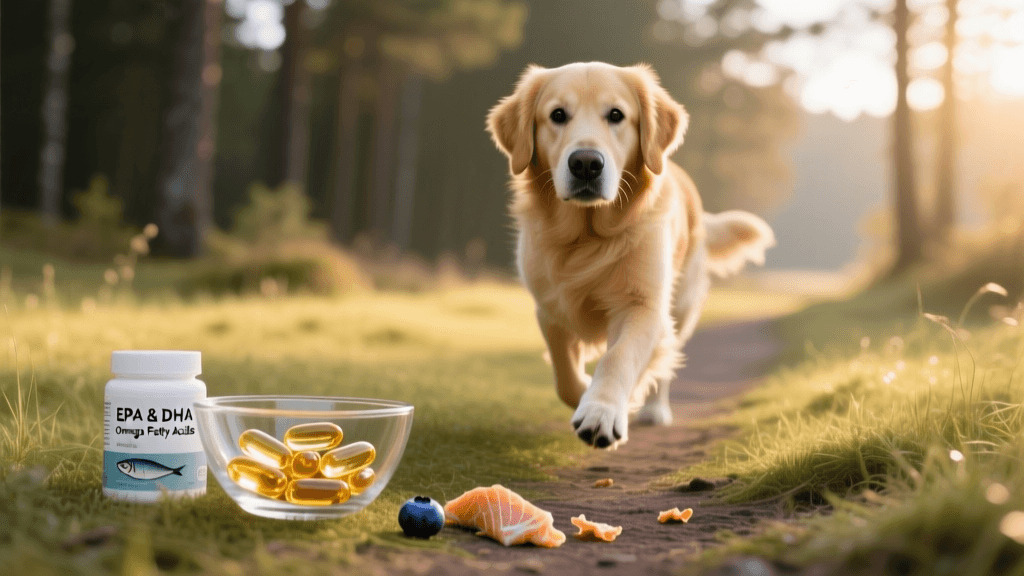
- Omega-3 Fatty Acids (EPA/DHA): Found in wild-caught Alaskan salmon oil or sardine oil, Omega-3s are heavily researched and proven to reduce joint inflammation and improve mobility in arthritic dogs.
- Green-Lipped Mussel (GLM): A powerhouse ingredient containing natural glycosaminoglycans (GAGs) and ETA (a unique omega-3) that specifically targets joint pain pathways.
- Undenatured Type II Collagen (UC-II): Often found in veterinary-specific joint chews, UC-II works via oral tolerance to prevent the immune system from attacking joint cartilage.
Final Verdict: Should You Join the Trend?
The viral bone broth trend is one of the rare internet fads that actually holds genuine nutritional merit—provided it is executed safely. When made at home without toxic alliums, excessive sodium, or dangerous cooked bones, bone broth is a fantastic, hydrating, and collagen-rich addition to your dog's diet. It supports gut lining integrity, encourages hydration in stubborn drinkers, and provides a comforting, savory aroma to meals. Just remember that bone broth is a supplement, not a meal replacement, and should always be fed as part of a balanced, species-appropriate diet. Consult your veterinarian before adding rich new foods to your dog's bowl, especially if they have a history of pancreatitis or kidney disease.
priya-sutaria
All our authors care for dogs every day — read more of their work on the authors page.