Life With Your Dog
Urban Leash Reactivity: Expert Behavior Modification Guide
Discover expert behavior analysis techniques to manage urban leash reactivity. Learn threshold training, gear recommendations, and actionable steps.
By marcus-aldridge · 4 June 2026
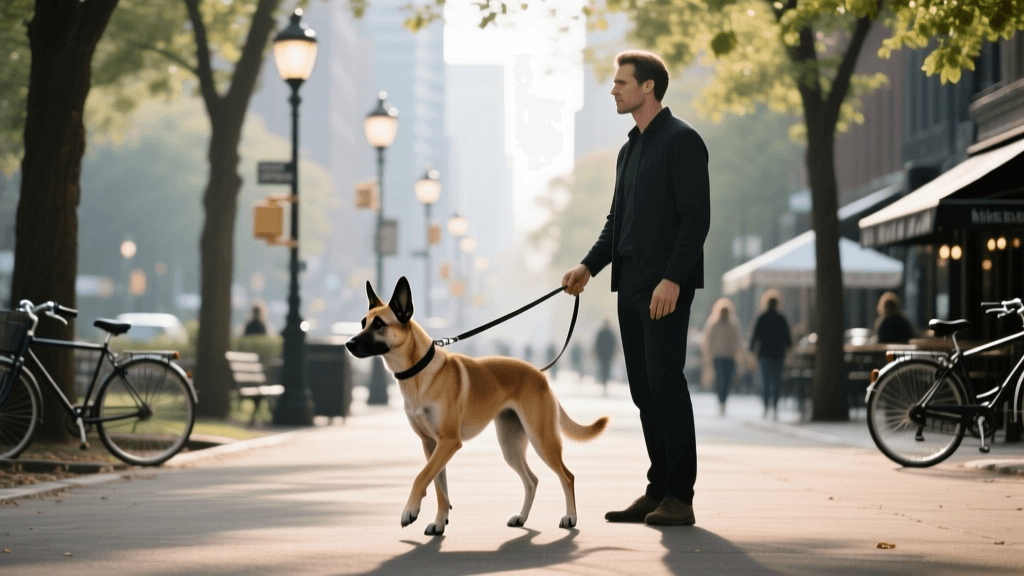
Living in a bustling urban environment with a dog offers incredible socialization opportunities, but it can also trigger intense behavioral challenges, most notably leash reactivity. From a behavior analysis perspective, leash reactivity is not a sign of a "bad" or "mean" dog. Instead, it is an emotional and physiological response to feeling trapped, frustrated, or overwhelmed by the proximity of triggers such as other dogs, bicycles, or strangers. In this comprehensive guide, we will deconstruct urban leash reactivity through the lens of applied behavior analysis and provide a highly structured, actionable modification protocol to help you reclaim your daily walks.
Understanding the Root of Urban Leash Reactivity
Before implementing any modification strategy, an expert behaviorist must first identify the function of the reactive behavior. In urban settings, leash reactivity typically stems from one of two primary behavioral drivers: barrier frustration or fear-based avoidance. Barrier frustration occurs when a dog is highly social and eager to greet a passing dog, but the physical restraint of the leash prevents them from doing so. This thwarted intent rapidly escalates into arousal, which manifests as lunging, barking, and pulling. Conversely, fear-based reactivity is driven by a dog’s desire to increase the distance between themselves and a perceived threat. Because the leash removes the dog's ability to flee (the "flight" response), the dog resorts to "fight" behaviors to drive the trigger away. According to the American Kennel Club (AKC), understanding whether your dog is frustrated or fearful is the critical first step in selecting the correct counterconditioning protocol.The Concept of the "Threshold" in Behavior Modification
In applied behavior analysis, the "threshold" is the exact distance or intensity at which a dog notices a trigger but remains under cognitive control.- Sub-Threshold: The dog sees the trigger (e.g., another dog at 50 feet) but can still take treats, respond to known cues, and exhibit relaxed body language. This is the only zone where learning can occur.
- At Threshold: The dog shows early signs of stress (lip licking, whale eye, stiff posture, freezing). Cognitive processing is slowing down.
- Over Threshold: The dog is in a full sympathetic nervous system arousal state (fight or flight). They will refuse high-value food, lunge, bark, and are entirely incapable of learning.
Essential Gear for Reactive Urban Dogs
Proper equipment ensures safety and prevents the escalation of pain-induced reactivity. Avoid aversive tools like prong collars or choke chains, which the ASPCA notes can increase fear and aggression by associating the presence of a trigger with physical pain.Recommended Equipment Breakdown
- Front-Clip Harness: The Ruffwear Front Range Harness (approx. $39.95) features a sturdy front chest ring that gently redirects forward momentum without putting pressure on the trachea.
- Fixed-Length Biothane Leash: A 6-foot, 1/2-inch wide Biothane leash (approx. $45.00). Biothane is waterproof, easy to clean, and provides a secure grip even if your hands are full of treats. Avoid retractable leashes entirely, as they teach dogs to pull and offer zero emergency control.
- Treat Pouch: The Kong Treat Trainer (approx. $15.99) allows for rapid, hands-free treat delivery, which is vital for precise timing in marker-based training.
Urban Reactivity Gear Comparison Chart
| Equipment Type | Pros | Cons | Best Use Case |
|---|---|---|---|
| Front-Clip Harness | Reduces pulling safely; prevents tracheal damage. | Some dogs can still pull heavily if highly aroused. | Daily urban walks and DS/CC training. |
| Head Halter (e.g., Gentle Leader) | Excellent steering control for large, strong dogs. | Requires extensive acclimation; can cause neck injury if dog lunges hard. | Large breed management while transitioning to a harness. |
| Standard Flat Collar | Good for holding ID tags. | High risk of tracheal collapse if dog pulls; offers no leverage. | Identification only; not for leash-reactive dogs. |
| 6-Foot Biothane Leash | Durable, easy to grip, weatherproof, consistent length. | Slightly more expensive than standard nylon. | All reactive dog training and safety management. |
Step-by-Step Desensitization and Counterconditioning (DS/CC)
To change a dog's emotional response to a trigger, we use Desensitization and Counterconditioning (DS/CC). A highly effective protocol for urban environments is the "Look at That" (LAT) game, originally developed by canine behavior expert Leslie McDevitt.The LAT Protocol in Action
- Spot the Trigger: You and your dog are walking. You spot another dog approaching at a distance of 40 feet (sub-threshold).
- Mark the Behavior: The exact millisecond your dog looks at the trigger, use a marker word like "Yes!" or click a clicker. The marker must occur within 0.5 seconds of the dog noticing the trigger.
- Deliver the Reward: Immediately deliver a high-value treat directly to your dog's mouth. The treat must be something your dog only gets during reactivity training.
- Repeat and Reset: If your dog looks back at the trigger, mark and reward again. If your dog turns to look at you expecting a treat, praise calmly and continue walking away to increase distance.
"The goal of counterconditioning is not to distract the dog from the trigger, but to change the dog's underlying emotional response to the trigger. The trigger becomes the cue that predicts the arrival of high-value reinforcement."If your dog refuses the treat, you have crossed the threshold. Immediately perform an "emergency U-turn" to increase distance until your dog's cognitive processing returns and they are willing to eat.
Managing the Urban Environment: Route Planning and Decompression
Behavior modification is exhausting for both the dog and the handler. Chronic stress elevates a dog's baseline cortisol levels, making them more prone to reactive outbursts. To combat this, incorporate "decompression walks" into your weekly routine. According to Fear Free Pets, allowing a dog to engage in uninterrupted sniffing in a quiet, low-traffic area (like a vacant park or an industrial area on a Sunday morning) significantly lowers their heart rate and reduces stress hormones. Use a 15-foot long line to give your dog the autonomy to explore and sniff. Dedicate at least two 30-minute decompression sessions per week in environments where triggers are practically non-existent. This allows your dog's nervous system to reset, making them far more receptive to your DS/CC training during busy urban walks. The olfactory stimulation provided by a "Sniffari" tires a dog out mentally, which is often more effective at reducing hyperarousal than physical exercise alone.Final Thoughts on Consistency and Patience
Rewiring a dog's neurological response to urban stimuli is a marathon, not a sprint. Progress is rarely linear; you will have excellent weeks followed by sudden setbacks caused by an unpredictable off-leash dog or a loud delivery truck. Track your dog's baseline thresholds weekly, celebrate the micro-victories (like your dog choosing to look at you instead of barking at a skateboarder), and prioritize your dog's emotional well-being over the distance walked. By combining spatial management, proper equipment, and rigorous counterconditioning, you can transform your urban walks from a source of anxiety into an enriching, shared experience.Written by
marcus-aldridge
All our authors care for dogs every day — read more of their work on the authors page.