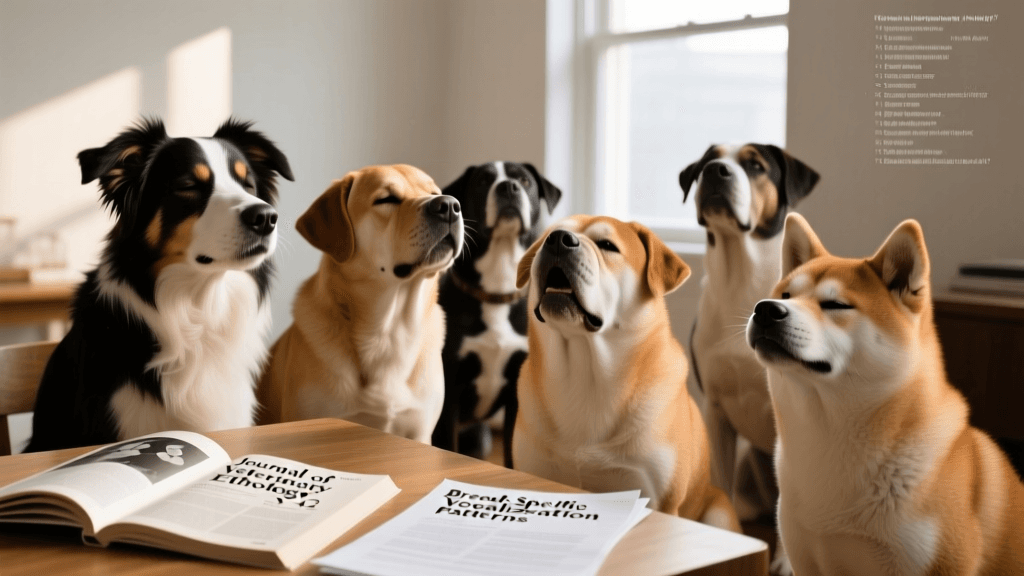
Decoding Canine Resource Guarding: Expert Behavior Analysis
Discover expert behavior analysis on canine resource guarding. Learn actionable modification protocols, threshold management, and safety strategies.
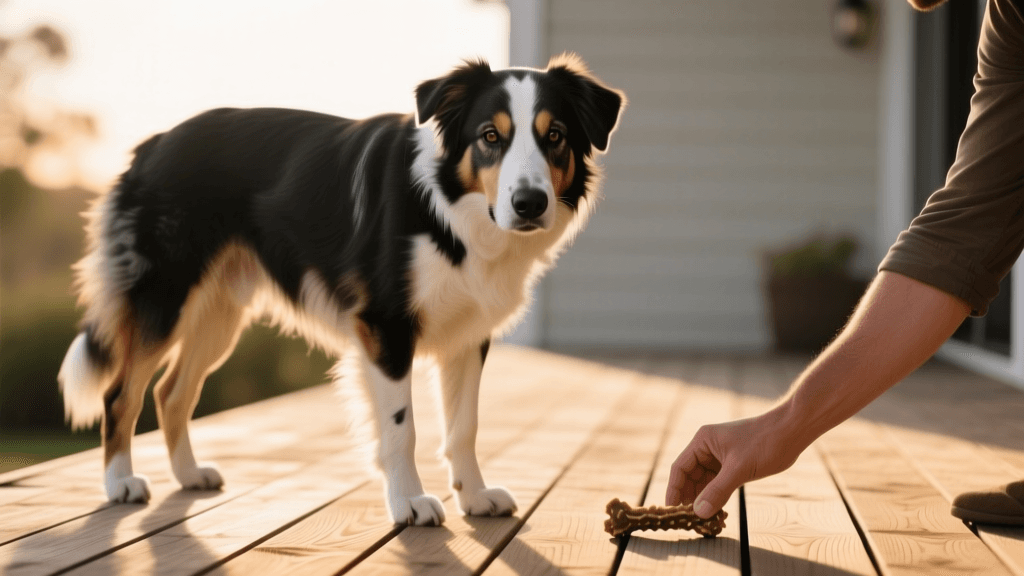
The Ethology and Neurobiology of Canine Resource Guarding
Resource guarding is one of the most misunderstood behaviors in canine ethology. Often mislabeled by laymen as 'dominance' or 'stubbornness,' resource guarding is, in fact, a deeply ingrained survival mechanism. From an expert behavior analysis perspective, guarding is a natural, adaptive behavior designed to protect valuable assets—such as food, high-value chews, resting spaces, or even human companions—from perceived competitors. When a dog guards, their sympathetic nervous system is highly aroused, triggering a fight-or-flight response mediated by the amygdala.
Understanding this neurobiological foundation is critical for effective behavioral modification. According to the American Society for the Prevention of Cruelty to Animals (ASPCA), resource guarding manifests on a spectrum, ranging from subtle body language shifts to severe aggression. The goal of an expert behaviorist is not to suppress the dog's emotional response through punishment, which only exacerbates anxiety, but to systematically alter the dog's emotional association with the approach of a human near their valued resources.
Recognizing the Canine Escalation Ladder
Before implementing a modification protocol, owners must learn to read the subtle precursors to guarding. Dogs rarely bite without warning; however, humans frequently miss the early stages of the escalation ladder. By the time a dog growls or snaps, they have likely been exhibiting low-level displacement and stress signals for weeks or months.
| Stage | Behavioral Indicator | Sympathetic Arousal | Human Action Required |
|---|---|---|---|
| 1. Subtle Tension | Freezing, whale eye (showing sclera), hard staring, lip licking | Low to Moderate | Stop approaching. Avert gaze. Retreat slowly to lower threshold. |
| 2. Active Avoidance | Eating faster, turning body away, picking up item to relocate | Moderate | Do not pursue. Allow the dog space to consume the item undisturbed. |
| 3. Vocal Warning | Low-pitched growling, snarling, lifting of the lip | High | Immediately retreat. Consult a certified behaviorist. Do not punish the growl. |
| 4. Defensive Strike | Air snapping, lunging, inhibited bite (no contact) | Severe | Evacuate the area. Implement strict environmental management immediately. |
| 5. Offensive Bite | Uninhibited bite resulting in puncture or tearing | Peak / Crisis | Seek emergency veterinary and professional behavioral intervention. |
Punishing a dog for Stage 3 (growling) is a common and dangerous mistake. As noted by experts at the RSPCA, suppressing the warning growl teaches the dog that vocalizing results in punishment, leading them to skip the warning phase entirely and proceed directly to biting in future encounters.
Expert Modification Protocol: Desensitization and Counter-Conditioning (DS/CC)
Behavioral modification for resource guarding relies heavily on Desensitization and Counter-Conditioning (DS/CC). This protocol changes the dog's underlying emotional response from 'threat' to 'anticipation of a reward.' Below is a structured, actionable protocol for mild to moderate food bowl guarding.
Phase 1: Threshold Mapping and Baseline Setup
Identify the dog's 'threshold'—the distance at which they notice a human approaching but do not exhibit Stage 1 or Stage 2 guarding behaviors. For many dogs, this initial threshold is between 8 to 12 feet. You will need high-value treats that exceed the value of the guarded item. Freeze-dried beef liver or boiled chicken breast (Cost: $10-$20 per batch) are excellent choices due to their high olfactory impact and palatability.
Phase 2: The 'Approach and Toss' Game
- Timing: Conduct sessions for 3 to 5 minutes, twice daily. Short sessions prevent cognitive fatigue and keep arousal levels manageable.
- Action: While the dog is eating their standard kibble, stand at the mapped threshold distance (e.g., 10 feet).
- Marker and Reward: Take one step forward, immediately mark the behavior with a calm verbal marker like 'Yes,' and toss a piece of high-value treat directly into or next to their bowl.
- Retreat: Immediately step back to your original threshold position. The retreat is crucial; it removes the social pressure and proves to the dog that your approach predicts a high-value bonus, followed by the removal of the perceived threat.
Phase 3: Closing the Distance and the 'Trade-Up'
Once the dog exhibits a relaxed posture (soft eyes, loose body, wagging tail) upon your approach from the threshold, decrease the distance by one foot every two successful sessions. When you can stand directly next to the bowl, introduce the 'Trade-Up' mechanic.
Expert Tip: Never reach directly over the dog's head or grab the bowl from above. This mimics a predatory strike and triggers a defensive reflex. Instead, crouch sideways to the dog's shoulder and offer the high-value treat near their nose, allowing them to voluntarily abandon the lower-value kibble.
Management Strategies and Environmental Setup
Modification takes time, often spanning 4 to 8 weeks of consistent daily practice. During this period, strict management is non-negotiable to prevent rehearsal of the guarding behavior. According to Fear Free Happy Homes, preventing the dog from practicing unwanted behaviors is just as important as the active training sessions.
Essential Management Tools
- Hardware-Mounted Baby Gates: (Cost: $40-$70). Use gates to completely separate the dog from high-traffic areas during mealtimes or when providing long-lasting chews like bully sticks.
- KONG Classic or West Paw Toppl: (Cost: $12-$18). Feeding meals inside puzzle toys in a designated, isolated 'safe zone' (like a crate or a separate room) eliminates the opportunity for guarding while providing mental enrichment.
- Snuffle Mats: (Cost: $20-$35). Scattering kibble across a large snuffle mat in a quiet room encourages natural foraging behaviors and reduces the hyper-fixation on a single, easily guardable bowl.
Common Pitfalls in Behavioral Modification
Even well-meaning owners can inadvertently sabotage a behavior modification plan. Avoid these common errors:
- The 'Dominance' Fallacy: Forcing your hand into the dog's bowl to 'show them who is boss' is a relic of outdated, debunked dominance theory. It artificially inflates the dog's anxiety and confirms their fear that humans are unpredictable resource thieves.
- Inconsistent Thresholds: Pushing the dog past their threshold by moving too quickly during the approach phase. If the dog freezes or eats faster, you have moved too close, too soon. Retreat and increase the distance.
- Ignoring Spatial Guarding: Resource guarding is not limited to objects. Dogs may guard doorways, couches, or specific humans. Spatial guarding requires a different protocol involving 'Place' training and boundary management, often necessitating the guidance of a certified professional dog trainer (CPDT-KA) or veterinary behaviorist (DACVB).
Conclusion
Canine resource guarding is a complex interplay of survival instinct, anxiety, and environmental triggers. By shifting our perspective from frustration to empathetic behavior analysis, we can dismantle the dog's fear-based responses. Through meticulous threshold management, high-value counter-conditioning, and strict environmental setup, owners can transform a guarded, anxious dog into a confident, relaxed companion. Always prioritize safety, respect the dog's escalation ladder, and seek professional guidance if the behavior reaches Stage 3 or beyond.
anouk-beaumont
All our authors care for dogs every day — read more of their work on the authors page.