Understanding Winter Anxiety and Seasonal SAD in Dogs
Learn why dogs experience winter anxiety and Seasonal Affective Disorder. Discover behavioral signs, light therapy, and seasonal activities to help.
The Psychology of Seasonal Shifts in Canines
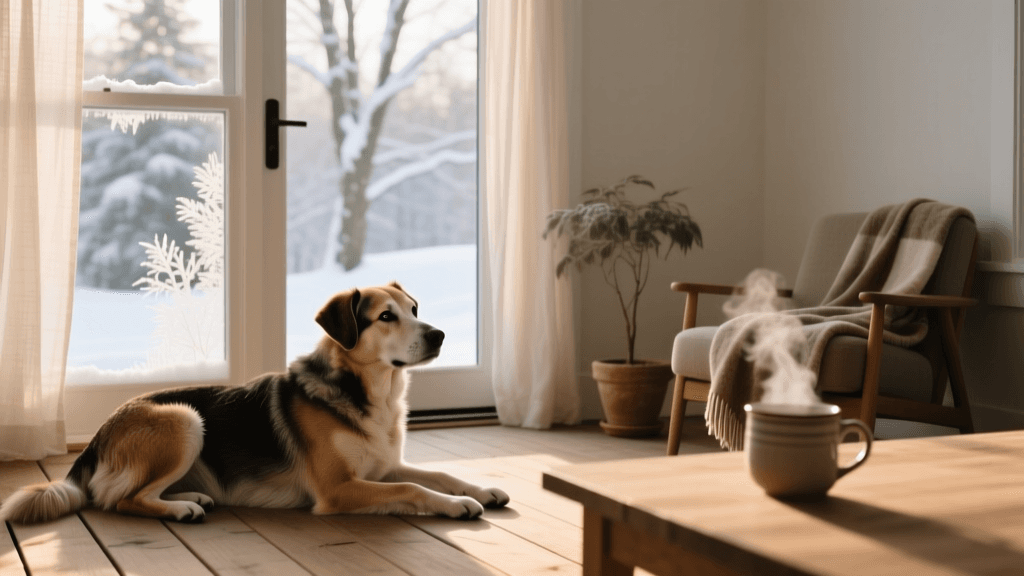
As the days grow shorter and temperatures drop, many dog owners notice a distinct shift in their pet's behavior. While we often attribute these changes to the cold weather, the psychological and physiological impacts of winter on canines are profound. Dogs are deeply attuned to their environment, and the dramatic reduction in daylight hours disrupts their circadian rhythms. This seasonal transition can lead to a phenomenon commonly known as Seasonal Affective Disorder (SAD) or winter anxiety. Understanding the psychology behind these behavioral shifts is the first step in providing effective seasonal care and maintaining your dog's mental well-being during the colder months.
The Neurochemistry of the Winter Blues
To truly understand winter anxiety in dogs, we must look at their neurochemistry. Sunlight plays a critical role in regulating two essential hormones: melatonin and serotonin. During the darker winter months, the pineal gland produces excess melatonin, the hormone responsible for sleep. This overproduction leads to lethargy, increased napping, and a general lack of motivation to engage in play or training.
Simultaneously, reduced sunlight exposure causes a drop in serotonin, the neurotransmitter associated with mood stabilization and happiness. According to the American Kennel Club, this chemical imbalance can manifest in dogs as depressive behaviors, increased clinginess, and heightened anxiety. When a dog's baseline serotonin drops, their threshold for stress lowers, making them more reactive to everyday stimuli like the doorbell ringing or the vacuum cleaner running.
Recognizing the Signs of Winter Anxiety
Because dogs cannot verbally express their feelings, they communicate seasonal distress through body language and behavioral changes. It is crucial for owners to differentiate between normal winter laziness and genuine psychological distress. Common signs of canine SAD and winter anxiety include:
- House Soiling: A previously house-trained dog may begin having accidents indoors due to a psychological reluctance to go outside in the cold, dark, or wet conditions.
- Destructive Behavior: Boredom and anxiety often culminate in chewing furniture, digging at carpets, or destroying toys as a coping mechanism for under-stimulation.
- Vocalization: Increased whining, pacing, and barking, particularly during the late afternoon and evening when the sun sets early.
- Body Language Cues: Look for a lowered tail base, pinned-back ears, 'whale eye' (showing the whites of the eyes), and excessive lip licking or yawning when asked to go outside.
- Appetite Changes: Some dogs may experience a decrease in appetite, while others may seek out excessive carbohydrates and treats for comfort.
Breed-Specific Winter Behaviors
A dog's breed and genetic lineage heavily influence how they psychologically process the winter season. Northern breeds, such as Siberian Huskies and Alaskan Malamutes, possess a genetic predisposition to thrive in cold weather and may actually experience frustration and behavioral regression if kept indoors too much. Conversely, sighthounds like Greyhounds and Whippets, as well as toy breeds like Chihuahuas, lack the insulating body fat and double coats required for cold tolerance. For these breeds, winter anxiety is often rooted in physical discomfort. Their reluctance to walk is not just stubbornness; it is a psychological aversion to the painful sensation of freezing pavement on their sensitive skin.
Actionable Strategies for Seasonal Care
Managing winter anxiety requires a proactive approach that addresses both the environmental deficits and the psychological needs of your dog. Here are specific, actionable strategies to implement this season:
1. Canine Light Therapy
Just as humans use light boxes to combat SAD, dogs can benefit from artificial sunlight. Invest in a 10,000 LUX SAD therapy lamp (typically costing between $30 and $50). Place the lamp in the room where your dog spends the most time, ensuring it is positioned safely out of chewing reach. Turn the lamp on for 30 to 45 minutes each morning to help suppress excess melatonin production and reset their circadian rhythm. Never shine the light directly into your dog's eyes; ambient room illumination is sufficient.
2. Strategic Melatonin Supplementation
If light therapy is insufficient, consult your veterinarian about melatonin supplements. While it seems counterintuitive to add a sleep hormone, controlled, timed doses of melatonin can actually help regulate a disrupted sleep-wake cycle, leading to better rest and lower daytime anxiety. A general veterinary guideline is 1mg of melatonin per 10 pounds of body weight, administered 30 minutes before bedtime. Always use pet-specific formulations, as human supplements often contain xylitol, which is highly toxic to dogs.
3. High-Value Indoor Enrichment
When outdoor walks are shortened due to weather, you must replace physical exercise with mental exhaustion. Mental stimulation burns as many calories and releases as many endorphins as physical exercise. Utilize puzzle toys like the Kong Classic ($12-$18) stuffed with frozen pumpkin puree and low-sodium chicken broth. Incorporate daily scent-work games by hiding high-value treats (like freeze-dried beef liver) around the living room, allowing your dog to engage their natural foraging instincts.
Winter vs. Summer Activity Comparison Chart
To maintain psychological balance, you must adapt your dog's daily routine to the season. The following table outlines how to effectively swap summer activities for mentally stimulating winter alternatives:
| Activity Type | Summer Equivalent | Winter Indoor Alternative | Mental Stimulation Score (1-10) | Estimated Cost |
|---|---|---|---|---|
| Olfactory Work | Sniffing on long hikes | Indoor Snuffle Mat foraging | 9 | $20 - $35 |
| Physical Endurance | Fetch at the park | Flirt pole in the garage/basement | 6 | $25 - $40 |
| Problem Solving | Navigating trail obstacles | DIY cardboard box puzzle games | 8 | $0 (Recycled materials) |
| Socialization | Dog park playdates | Indoor doggy daycare or training classes | 7 | $30 - $50 / session |
| Impulse Control | Waiting at open gates | 'Place' command training with distractions | 10 | $0 (Time investment) |
Adjusting Walks and Paw Care
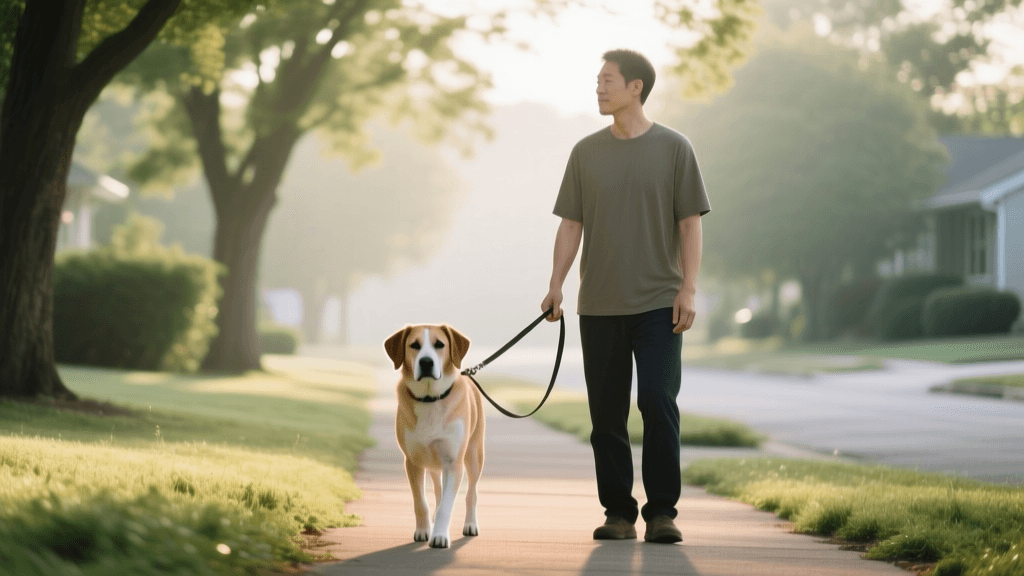
Winter walks require strategic timing and physical protection to prevent anxiety from taking root. Schedule your primary walks for mid-day (between 11:00 AM and 2:00 PM) when the sun is highest and temperatures are most forgiving. This maximizes natural sunlight exposure, aiding in serotonin production.
Furthermore, the psychological aversion to ice-melting chemicals and frozen ground can cause severe stress. Before every walk, apply a protective layer of paw wax, such as Musher's Secret ($15-$20), to create a semi-permeable shield against salt and ice. Upon returning home, wash your dog's paws with warm water to remove any residual toxins and to provide a soothing, calming ritual that signals the end of a stressful outdoor excursion.
When to Seek Professional Behavioral Help
While mild winter lethargy is normal, severe anxiety requires professional intervention. If your dog exhibits signs of acute distress, such as refusal to eat, self-mutilation (excessive licking of paws until they bleed), or aggressive reactivity, it is time to consult a professional. According to behavioral experts featured on PetMD, chronic stress can lead to long-term behavioral modifications that are difficult to reverse without the help of a certified veterinary behaviorist. They may prescribe short-term anti-anxiety medications, such as fluoxetine or trazodone, to be used in conjunction with a structured indoor behavioral modification plan.
Conclusion
Understanding your dog's winter anxiety is about recognizing the profound impact that environmental shifts have on their psychology and neurochemistry. By acknowledging the reality of canine Seasonal Affective Disorder and implementing targeted, actionable strategies—from light therapy and scent work to strategic paw care—you can help your dog navigate the darker months with confidence and comfort. Seasonal care is not just about keeping your dog warm; it is about keeping their mind engaged, their hormones balanced, and their spirit bright until the spring sun returns.
robin-maitland
All our authors care for dogs every day — read more of their work on the authors page.