The Science of Sniffing: Why Your Dog Needs Scent Work
Discover the science behind your dog's sense of smell. Learn how scent work reduces stress, tires them out, and boosts cognitive health.
The Neurology of the Sniff: Inside the Canine Brain
Dogs do not just see the world; they smell it in high definition. While humans rely heavily on visual and auditory cues to navigate our environments, canines are fundamentally olfactory creatures. When you pull your dog away from a fire hydrant or a patch of grass, you are essentially blindfolding them. In recent years, veterinary neurologists and animal behaviorists have uncovered profound insights into how scent processing affects a dog's brain, stress levels, and overall well-being. Understanding the science of sniffing is not just an academic exercise; it is a fundamental requirement for modern, science-backed dog ownership.
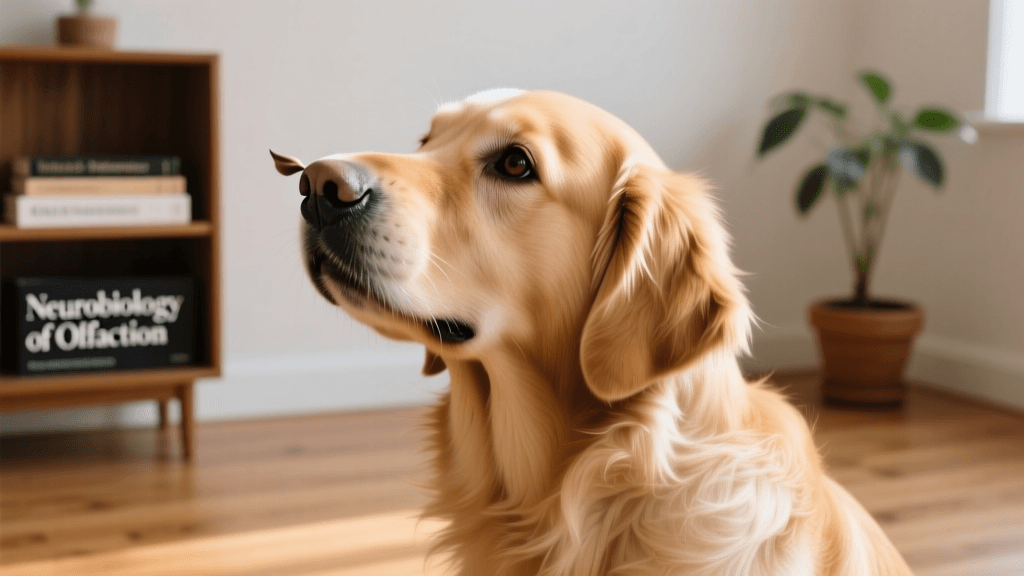
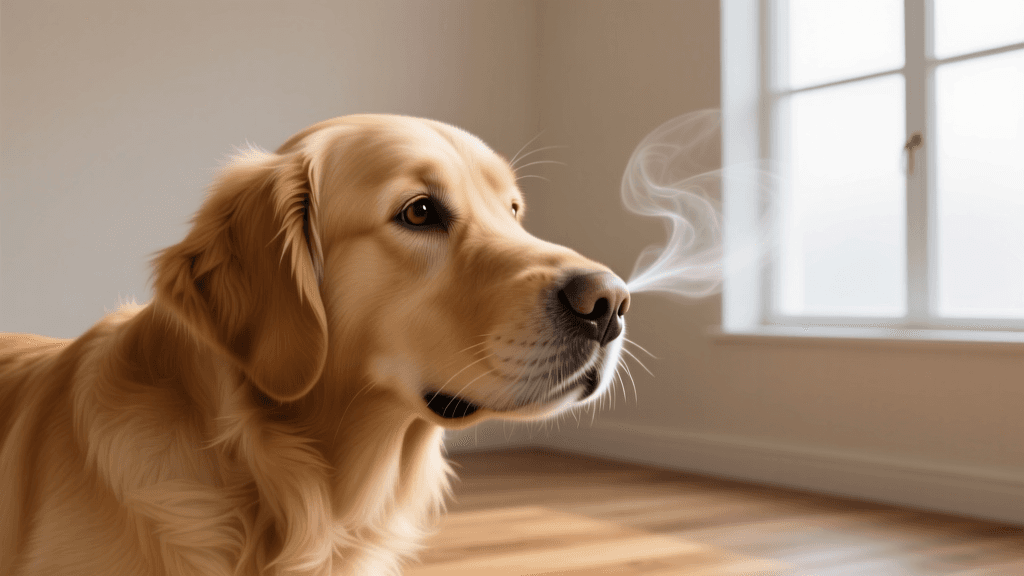
The canine nose is a biological marvel engineered by millions of years of evolution. While humans possess approximately six million olfactory receptors, a dog's nasal cavity houses up to 300 million receptors, depending on the breed. Bloodhounds, for instance, sit at the top of this spectrum. Furthermore, the part of a dog's brain dedicated to analyzing odors—the olfactory bulb—is proportionally 40 times larger than that of a human. According to research highlighted by the Horowitz Dog Cognition Lab at Barnard College, dogs can detect odors in parts per trillion. To put this into perspective, a dog could detect a single teaspoon of sugar dissolved in a million gallons of water, roughly the volume of two Olympic-sized swimming pools.
The Vomeronasal Organ: Decoding Pheromones
Beyond the primary olfactory system, dogs possess a secondary scent-processing mechanism known as the vomeronasal organ, or Jacobson's organ. Located just above the roof of the mouth and behind the incisors, this specialized structure is dedicated to detecting pheromones. When you see your dog curling their lip slightly after sniffing another dog's urine (a behavior known as the Flehmen response), they are actively routing scent molecules into the vomeronasal organ. This allows them to decode complex social information, including the sex, reproductive status, and even the emotional state of the dog that left the mark. The American Kennel Club (AKC) notes that this dual-scent system is why dogs greet each other by sniffing rear ends; they are essentially reading a chemical biography of one another.
Physical Walking vs. Mental Sniffing: A Data Comparison
Many dog owners operate under the misconception that a fast-paced, two-mile physical walk is the ultimate way to tire out a dog. However, canine behaviorists emphasize that mental fatigue often outpaces physical fatigue. Sniffing requires intense cognitive processing, which burns glucose and tires the brain much faster than repetitive physical movement. Below is a comparative breakdown of how physical exercise and mental scent work impact your dog's physiology.
| Metric | Physical Walking (Heel/Paced) | Mental Scent Work (Sniffari) |
|---|---|---|
| Primary Brain Region Engaged | Motor Cortex & Cerebellum | Olfactory Bulb & Frontal Cortex |
| Heart Rate Response | Elevated (Cardiovascular strain) | Lowered (Parasympathetic activation) |
| Cortisol (Stress Hormone) | Can increase if over-exercised | Decreases (Self-soothing behavior) |
| Time to Achieve Fatigue | 45 - 90 minutes | 15 - 25 minutes |
| Best For Behavioral Issues | Hyperactivity & Weight Management | Reactivity, Anxiety, & Arousal |
As noted in studies featured by Smithsonian Magazine, the act of sniffing naturally lowers a dog's heart rate. This is why you will often see dogs sniff the ground intensely when they are nervous or encountering a new stimulus; it is a recognized 'calming signal' used to self-soothe and de-escalate tension.
Science-Backed Scent Enrichment: Actionable Routines
Incorporating scent work into your dog's daily routine does not require a professional training facility. Here are three highly effective, science-backed methods to engage your dog's olfactory system, complete with specific product recommendations, costs, and timing.
1. The Daily 'Sniffari' (Cost: $0 - $70 for gear)
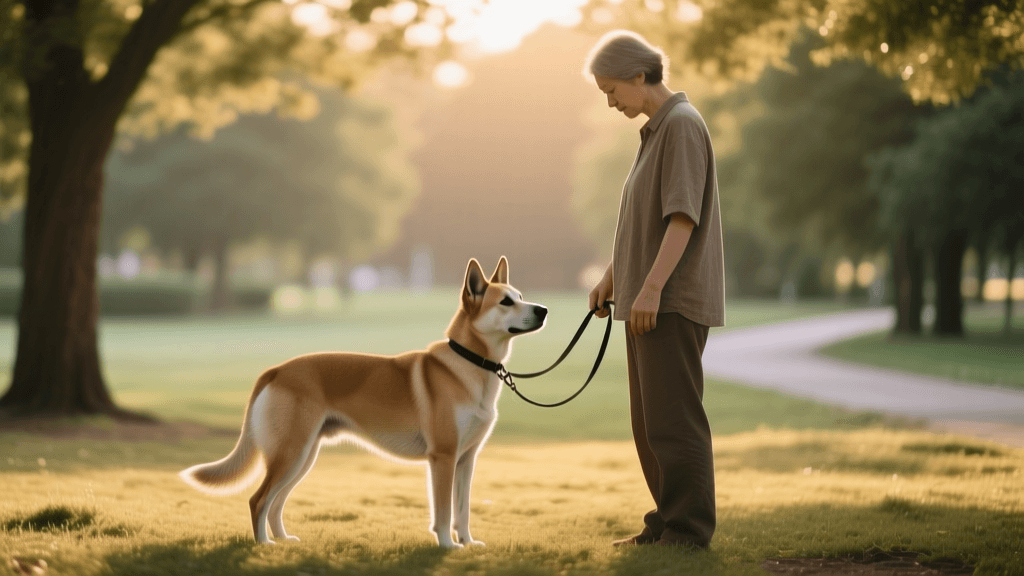
A 'Sniffari' is a decompression walk where the dog's nose leads the way. The goal is not distance or speed, but olfactory exploration.
- The Gear: Ditch the short 4-foot leash. Use a 15-to-30-foot long line. The Mendota Products Biothane Long Line (approx. $35) is highly recommended because it is waterproof, durable, and won't tangle in brush. Pair this with a Y-front harness like the Ruffwear Front Range (approx. $40) to ensure the dog's shoulders are free to move and sniff without spinal pressure.
- The Timing: Dedicate just 20 minutes to a Sniffari. Let your dog stop at every tree, bush, and rock. If they want to spend 3 minutes analyzing a single patch of grass, let them. This 20-minute mental workout is often equivalent to an hour of physical fetch.
- The Science: Allowing a dog to make choices (where to go, what to sniff) builds confidence and reduces leash frustration, particularly in reactive dogs who feel trapped by tight collars and short leashes.
2. Snuffle Mats and Foraging (Cost: $15 - $35)
Snuffle mats simulate the natural foraging behavior of wild canids, who spend up to 80% of their waking hours searching for food. By hiding kibble in a fabric mat, you force your dog to use their nose rather than their eyes to 'hunt' their meal.
- The Product: The Outward Hound Snuffle Mat (approx. $20) or the Paw5 Wooly Snuffle Mat (approx. $35) are excellent, washable options made from non-toxic, upcycled materials.
- How to Use: Start easy. Sprinkle high-value, smelly treats (like freeze-dried beef liver or Zuke's Mini Naturals) on the top layer. As your dog masters this, bury the treats deep into the fabric folds.
- Timing & Frequency: Use the snuffle mat for breakfast and dinner. It can slow down fast eaters, preventing dangerous conditions like gastric dilatation-volvulus (bloat), while providing 10-15 minutes of intense cognitive work per meal.
3. DIY Scent Discrimination Games (Cost: $5 - $15)
Scent discrimination involves teaching your dog to find a specific target odor. This is the foundational science behind search-and-rescue and medical detection dogs, but it can easily be adapted for the living room.
- The Setup: Purchase three identical small tin boxes or Tupperware containers. Place a cotton swab dabbed with a dog-safe essential oil (such as sweet birch or anise, which are standard in canine nose work sports) inside one container. Poke small holes in the lids.
- The Training: Present the 'scented' tin and reward your dog heavily with boiled chicken or hot dogs the second their nose touches it. Repeat until the dog understands that 'Birch = Chicken'.
- The Game: Line up all three tins. Hide the scented tin under a couch cushion, behind a door, or in another room, while leaving the blank tins visible. Command your dog to 'Find it.'
- Cognitive Benefit: This game requires the dog to filter out 'background noise' (the smells of your house, the blank tins) and isolate a single molecular profile. It is one of the most exhausting and rewarding cognitive tasks you can give a working breed like a German Shepherd, Border Collie, or Malinois.
Understanding the 'Why' Behind the Behavior
When we view our dogs through the lens of science, frustrating behaviors often become understandable. A dog that pulls relentlessly on the leash to reach a trash can or a fire hydrant is not being 'stubborn' or 'disobedient.' They are simply trying to read the morning news in their native language. By integrating structured scent work, decompression Sniffaris, and foraging games into your routine, you are honoring your dog's biological imperatives. You will likely notice a profound shift in their behavior: less hyperactivity, reduced anxiety, and a deeper, more communicative bond between you and your canine companion.
jonas-cole
All our authors care for dogs every day — read more of their work on the authors page.