Understanding Winter Anxiety and Seasonal Behavior in Dogs
Discover how winter affects your dog's psychology and behavior. Learn to spot seasonal anxiety, understand canine body language, and try indoor enrichment.

The Psychology of Seasonal Changes in Canines
As the days grow shorter and temperatures drop, many dog owners notice a distinct shift in their pet's behavior. While we often attribute these changes to the cold weather keeping us indoors, the reality is deeply rooted in canine neurobiology and psychology. Just like humans, dogs are susceptible to seasonal behavioral shifts, often referred to as Canine Seasonal Affective Disorder (SAD) or winter anxiety. Understanding the 'why' behind your dog's winter blues is the first step in providing the right seasonal care and activities to support their mental well-being.
The primary driver of seasonal behavioral changes in dogs is the fluctuation in light exposure. Decreased sunlight during the winter months disrupts the production of two critical neurotransmitters: melatonin and serotonin. Melatonin, the hormone responsible for regulating sleep-wake cycles, is produced in higher quantities when it is dark, leading to increased lethargy. Conversely, serotonin, which regulates mood and happiness, drops when sunlight exposure is limited. This chemical imbalance can manifest as irritability, clinginess, or a sudden lack of interest in favorite toys and activities.
Furthermore, the disruption of a dog's circadian rhythm can lead to confusion and anxiety. Dogs rely heavily on environmental cues, such as the angle of the sun and the length of the day, to regulate their internal clocks. When winter abruptly shortens the day, a dog's biological expectation of activity and rest is thrown out of sync, leading to restless nights and anxious days.
Recognizing the Body Language of Winter Anxiety
To effectively manage seasonal anxiety, you must first learn to read your dog's subtle communication signals. Dogs do not experience or express anxiety the way humans do; instead, they rely on a complex vocabulary of body language. According to the behavioral experts at Fear Free Pets, recognizing early stress indicators is crucial for preventing a dog from crossing the threshold into full-blown panic or reactive behavior.
During the winter, when outdoor stimulation is limited, pay close attention to the following displacement behaviors and calming signals:
- Excessive Yawning and Lip Licking: If your dog is yawning when they are not tired, or repeatedly licking their lips when no food is present, they are likely attempting to self-soothe in response to environmental stress or boredom.
- Whale Eye: This occurs when a dog turns their head away but keeps their eyes fixed on a stimulus, exposing the whites of their eyes. It is a clear indicator of underlying anxiety and discomfort.
- Pacing and Shadowing: A dog experiencing winter anxiety may pace aimlessly around the house or become a 'velcro dog,' shadowing your every move because they feel insecure about the disruption to their normal routine.
- Destructive Chewing: Sudden destruction of baseboards, furniture, or shoes is rarely an act of 'spite.' It is a psychological coping mechanism to release pent-up nervous energy and stimulate endorphin production through chewing.
Why Breed Instincts Flare Up Indoors
When outdoor exercise is curtailed by snow and ice, a dog's innate breed instincts do not simply go dormant. Instead, they seek alternative, often inappropriate, outlets inside the home. Understanding your dog's genetic predispositions is vital for selecting the right winter enrichment activities.
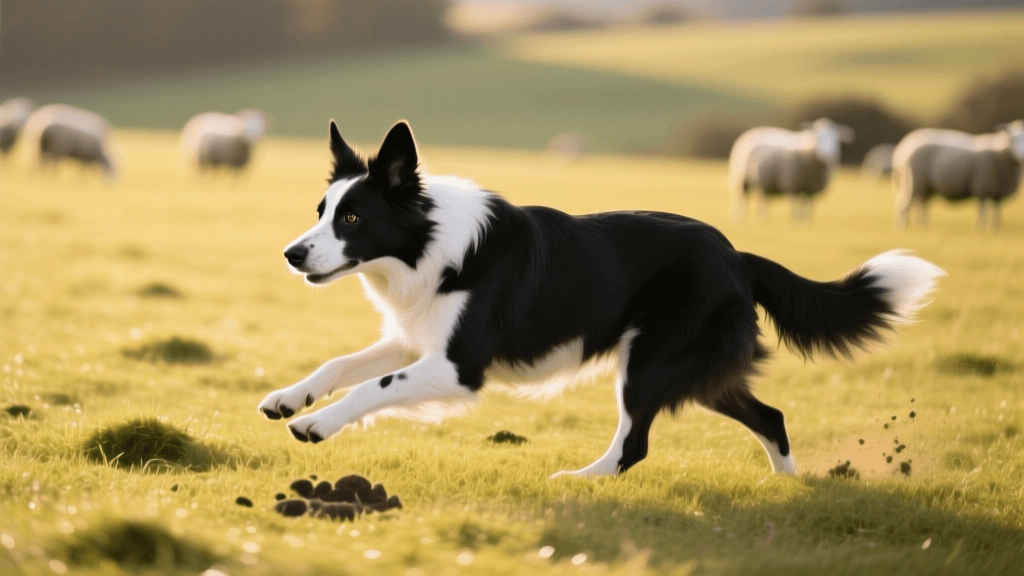
For example, herding breeds like Border Collies and Australian Shepherds are genetically wired to control movement. When stuck indoors with children or other pets, a herding dog may begin to nip at heels or stare intensely, attempting to 'herd' the household. This is not aggression; it is an unfulfilled instinctual drive causing psychological frustration.
Similarly, terrier breeds such as Jack Russell Terriers and Dachshunds were bred to hunt and dig out subterranean prey. Lacking access to the yard, a terrier might channel this predatory motor pattern into digging at carpets, scratching at rugs, or obsessively hunting for crumbs under the sofa. Scenthounds, like Beagles, may become highly vocal, howling or baying out of sheer sensory deprivation.
Normal Winter Rest vs. Winter Anxiety
It is important to differentiate between a dog naturally conserving energy during the colder months and a dog suffering from psychological distress. Use the table below to assess your dog's seasonal behavior.
| Behavioral Sign | Normal Winter Rest | Winter Anxiety & Stress |
|---|---|---|
| Sleep Patterns | 12-14 hours, easily roused, relaxed posture | Lethargy, difficult to wake, hiding under furniture |
| Appetite | Slight increase to maintain body heat | Refusal to eat, or frantic, anxious gulping |
| Play Drive | Lower energy, prefers soft, comforting toys | Pacing, destructive chewing, hyper-fixation on shadows |
| Vocalization | Occasional soft grunts or sighs | Excessive panting, whining, unexplained howling |
Actionable Winter Enrichment Activities
To combat the psychological toll of winter, you must replace the physical and mental stimulation your dog usually gets outdoors with structured indoor activities. The goal is to engage their brain, which tires them out more effectively than a short walk in the cold. The American Kennel Club (AKC) highly recommends brain games to satisfy a dog's natural drives.
1. Olfactory Enrichment (Scent Work)
A dog's olfactory bulb is proportionally 40 times larger than a human's. Engaging their nose triggers the release of dopamine, the 'feel-good' neurotransmitter.
Activity: Hide high-value treats (like freeze-dried liver) inside a rolled-up towel or a dedicated Snuffle Mat.
Product Recommendation: The 'Wooly Snuffle Mat' (Cost: $25 - $35).
Timing: 15 to 20 minutes per session, twice daily.
Psychological Benefit: Mimics natural foraging instincts, reducing anxiety and slowing down fast eaters.
2. Cognitive Puzzle Toys
For highly intelligent breeds prone to winter boredom, passive toys are insufficient. They need to solve problems.
Product Recommendation: Nina Ottosson Dog Brick Interactive Puzzle (Cost: $28 - $32). This toy requires the dog to flip lids and slide blocks to reveal treats.
Timing: 10 to 15 minutes while supervised.
Psychological Benefit: Builds confidence and provides a constructive outlet for problem-solving instincts, preventing destructive behaviors.
3. Indoor Agility and Proprioception
Physical movement is still necessary to burn off cortisol (the stress hormone).
Activity: Create a living room obstacle course using couch cushions, broomsticks, and blankets. Teach your dog to 'crawl' under chairs or 'balance' on a sturdy pillow.
Timing: 10 minutes of active training.
Psychological Benefit: Enhances the human-canine bond and improves body awareness (proprioception), which is deeply calming for anxious dogs.
Environmental Adjustments and Light Therapy
If your dog exhibits severe signs of Canine SAD, environmental adjustments can make a profound difference. Veterinary behaviorists increasingly recognize the benefits of light therapy for pets suffering from seasonal mood drops.
Invest in a 10,000 LUX full-spectrum light box (often marketed for human SAD, costing between $40 and $60). Place the lamp in the room where your dog spends the most time, positioning it 16 to 24 inches away from their primary resting spot. Do not shine it directly into their eyes; the ambient light is sufficient. Turn the lamp on for 30 minutes every morning between 8:00 AM and 10:00 AM. This specific timing helps reset the dog's circadian rhythm, suppressing excess melatonin production and signaling to the brain that it is time to be alert and active.
Additionally, maintain a strict daily routine. The ASPCA notes that predictability is a cornerstone of canine emotional security. Feed, train, and play with your dog at the exact same times every day, regardless of the weather outside. This predictability acts as an psychological anchor during the chaotic, sensory-deprived winter months.
Conclusion
Understanding your dog's winter behavior requires looking beyond the surface. What appears to be 'laziness' or 'bad behavior' is often a complex psychological response to environmental changes, disrupted neurochemistry, and unfulfilled breed instincts. By learning to read their subtle body language, providing targeted olfactory and cognitive enrichment, and utilizing environmental tools like light therapy, you can help your dog navigate the winter months with confidence and calm. Seasonal care is not just about keeping your dog warm; it is about keeping their mind active, engaged, and emotionally balanced until the spring sun returns.
marcus-aldridge
All our authors care for dogs every day — read more of their work on the authors page.