Why Do Dogs Sigh and Groan? Answering Google's Top Questions
Discover why dogs sigh, groan, and vocalize. We answer Google's most-asked questions about canine sounds, body language, and what your dog is trying to say.
The Mystery of Canine Vocalizations: What is Your Dog Saying?
If you share your home with a dog, you are likely familiar with the symphony of sounds they produce. While barks, growls, and whines are relatively easy to interpret, the subtle, breathy sounds of sighs and groans often leave pet parents puzzled. In fact, queries like 'Why does my dog sigh?' and 'Why do dogs groan when they lie down?' consistently rank among Google's most-asked questions in the realm of canine behavior. As a senior writer for Paws-Tales, I delve into the psychology, breed instincts, and physical health indicators behind these fascinating vocalizations. Understanding these subtle cues is critical for strengthening your bond and ensuring your dog's physical well-being.
Google’s Most-Asked Question: Why Does My Dog Sigh?
Dogs are highly expressive creatures, and sighing is one of their most nuanced forms of communication. According to the American Kennel Club (AKC), a dog's sigh generally falls into one of two distinct emotional categories: profound contentment or mild disappointment. To decipher which one your dog is experiencing, you must look at their eyes and body language.
The Contentment Sigh
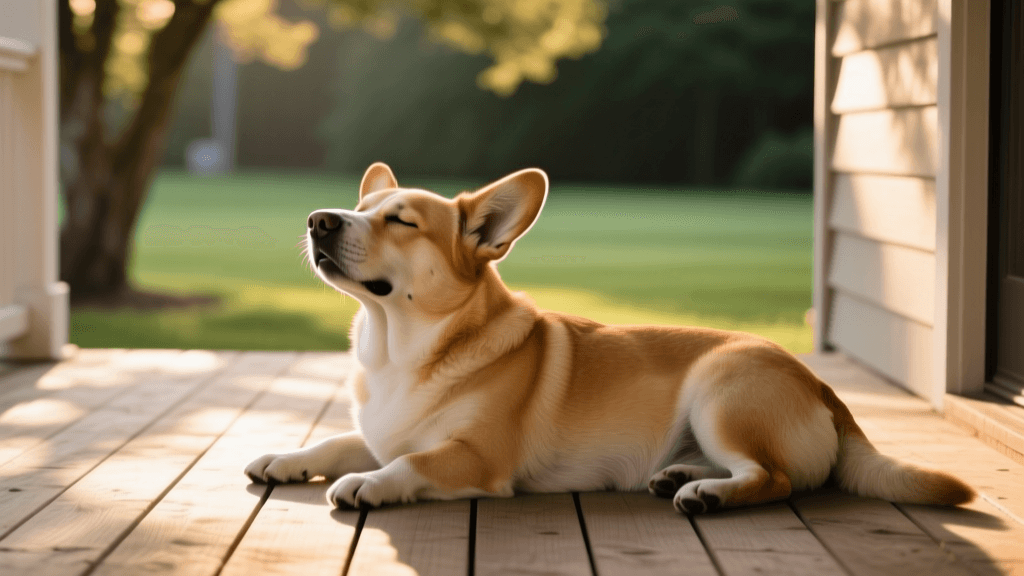
When your dog finishes a long day of playing, eating, and patrolling the yard, they may collapse onto their bed, let out a long, audible exhale, and close their eyes halfway. This is the contentment sigh. It signals that your dog feels safe, relaxed, and completely satisfied with their current environment. The half-closed eyes and relaxed ear position indicate a drop in heart rate and a transition into the rest-and-digest parasympathetic nervous system state. In this context, the sigh is a compliment to you as an owner; it means you have successfully provided a secure and fulfilling environment.
The Disappointment Sigh
Conversely, if your dog is lying down with their eyes wide open, ears perked or slightly pinned back, and they let out a sharp, dramatic sigh, they are likely expressing disappointment. This often happens when they realize a highly anticipated event is not going to occur. For example, if you sit down at your desk to work instead of grabbing the leash for a walk, your dog may sigh heavily to communicate their frustration. It is the canine equivalent of a human teenager rolling their eyes. While it can be amusing, it is important to recognize this as a sign of unmet expectations rather than physical distress.
Why Do Dogs Groan When They Lie Down?
Groaning is another frequently searched behavior, and its meaning changes drastically depending on the age and health status of your dog. While a sigh is primarily emotional, a groan is often physical.
Puppy Groans: The Sound of Satisfaction
If you have a puppy, you have probably heard them groan, grunt, or squeak as they settle into their crate or burrow into your lap. In puppies, groaning is almost always a sign of deep satisfaction and comfort. Puppies are highly tactile and vocal; groaning helps them self-soothe and communicate to their littermates (or human family) that they are warm, fed, and ready for sleep. This behavior is completely normal and is a positive indicator of a well-adjusted puppy.
Senior Dog Groans: A Red Flag for Joint Pain
When an adult or senior dog groans upon lying down or standing up, the context shifts from emotional contentment to potential physical discomfort. The ASPCA notes that vocalizations accompanying movement in older dogs are frequently linked to osteoarthritis, hip dysplasia, or general joint inflammation. As cartilage wears down over time, the simple act of lowering their body weight onto the floor or pushing up from a resting position causes sharp, fleeting pain, resulting in an involuntary groan.
Actionable Advice for Senior Dog Comfort:
- Upgrade Their Bedding: Invest in an orthopedic dog bed featuring at least 4 inches of high-density memory foam. Standard poly-fill beds compress to the hard floor, offering zero joint relief. Expect to spend between $80 and $150 for a high-quality, supportive bed.
- Joint Supplements: Consult your vet about adding a daily joint supplement. Look for formulations containing at least 500mg of Glucosamine and 400mg of Chondroitin for medium-sized dogs (40-60 lbs). These typically cost around $30 to $50 for a 60-day supply.
- Environmental Modifications: Place non-slip rugs on hardwood floors to prevent slipping, and use pet ramps (costing $40-$80) to help your dog access cars or high furniture without jumping.
The 'Stare and Sigh' Combo: Manipulation or Bonding?
Another top Google query involves dogs who stare intently at their owners, place a paw on their arm, and then sigh. Is your dog trying to manipulate you for food, or is this a sign of deep affection? The Humane Society of the United States (HSUS) emphasizes that prolonged eye contact between a dog and their owner triggers the release of oxytocin—the 'love hormone'—in both species. When your dog stares at you, paws you, and sighs, they are actively seeking connection and reassurance. However, dogs are also master opportunists. If you historically respond to this exact sequence by offering a treat or a belly rub, your dog has learned that this specific combination of body language and vocalization yields a positive reward.
Decoding Canine Sounds: A Quick Reference Chart
To help you quickly identify what your dog is trying to communicate, refer to the structured comparison chart below:
| Vocalization | Physical Context | Emotional/Physical Meaning | Recommended Owner Action |
|---|---|---|---|
| Long Sigh (Eyes Half-Closed) | Resting after exercise or play | Contentment, relaxation, feeling safe | None required; let them rest peacefully. |
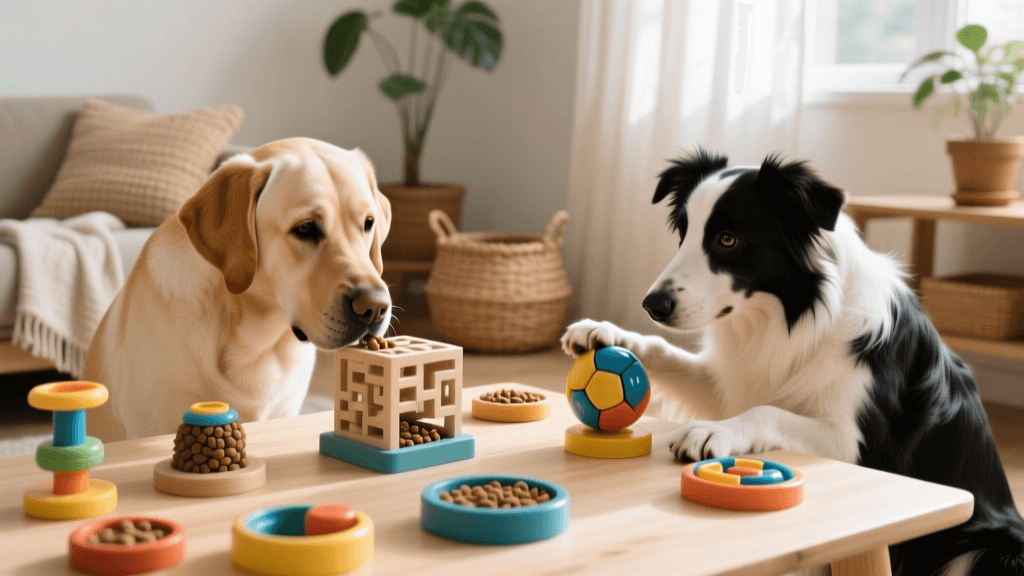
| Sharp Sigh (Eyes Wide Open) | Watching owner work or ignore them | Disappointment, boredom, unmet expectations | Provide a puzzle toy or schedule a quick training session. |
| Low Groan (Puppies) | Nursing, cuddling, or falling asleep | Deep comfort and self-soothing | Offer gentle praise; ensure environment is warm. |
| Strained Groan (Adult/Senior) | Lying down, standing up, or stretching | Joint pain, stiffness, osteoarthritis | Schedule a vet exam; provide orthopedic support. |
| High-Pitched Whine | Pacing, staring at the door | Anxiety, need to eliminate, or acute pain | Take outside immediately; check for physical injury. |
When to Worry: Actionable Health Checks and Vet Costs
While most sighs and groans are benign behavioral quirks, it is vital to know when a vocalization crosses the line into a medical emergency. If your dog's groaning is accompanied by a hunched back, reluctance to eat, panting while at rest, or a tucked tail, these are critical red flags for severe pain, such as pancreatitis, bloat (Gastric Dilatation-Volvulus), or spinal issues like Intervertebral Disc Disease (IVDD).
Financial Preparation for Canine Joint and Pain Care:
If you suspect your dog's groaning is pain-related, do not wait for the symptoms to worsen. A standard veterinary wellness exam to assess joint mobility typically costs between $60 and $120, depending on your geographic location. If the vet suspects arthritis or dysplasia, they will recommend diagnostic X-rays, which can add $150 to $300 to your bill. For dogs diagnosed with chronic osteoarthritis, monthly prescription NSAIDs (like Carprofen or Meloxicam) and specialized joint diets can add $50 to $100 to your monthly pet care budget. Setting aside a dedicated pet emergency fund or enrolling in comprehensive pet insurance (averaging $40 to $70 per month) is a highly recommended, proactive step for all dog owners.
Conclusion: Listening to the Unspoken
Dogs may not speak our language, but they are constantly communicating with us through a complex matrix of sighs, groans, stares, and shifts in posture. By paying close attention to the context, eye shape, and physical mechanics behind Google's most-asked canine questions, you can elevate your understanding of your dog's inner world. Whether your dog is simply expressing their deep contentment after a long day at the park, or quietly asking for a little extra orthopedic support in their senior years, tuning into these subtle vocalizations is the hallmark of a truly dedicated and empathetic dog owner.
marcus-aldridge
All our authors care for dogs every day — read more of their work on the authors page.