Senior Dog Behavior: Understanding Cognitive Decline
Learn how aging affects your dog's psychology and behavior. Discover signs of canine cognitive dysfunction and life stage care tips for senior dogs.
The Psychology of the Aging Dog
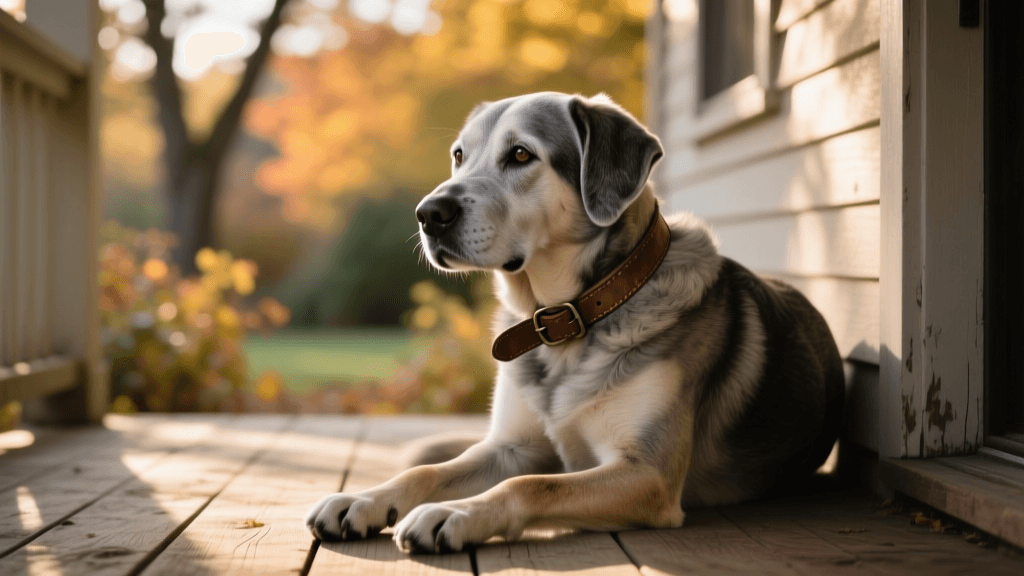
As our canine companions transition from their vibrant adult years into their senior life stage, their psychological landscape undergoes profound shifts. Understanding your dog during this twilight phase requires more than just adjusting their diet or accommodating their stiffening joints; it demands a deep empathy for their changing cognitive reality. The aging canine brain experiences neurobiological changes remarkably similar to those seen in human Alzheimer's disease. These changes can fundamentally alter how your dog perceives the world, processes commands, and interacts with their environment.
According to the American Veterinary Medical Association (AVMA), senior dogs often face a combination of physical discomfort and sensory decline, which directly impacts their behavior. A dog that once confidently navigated a dark hallway may now hesitate, not out of stubbornness, but because diminishing vision combined with mild cognitive confusion makes the shadows appear threatening. Recognizing these behavioral shifts as symptoms of aging, rather than acts of disobedience, is the cornerstone of effective life stage care.
What is Canine Cognitive Dysfunction (CCD)?
Canine Cognitive Dysfunction (CCD) is a neurodegenerative disease that affects older dogs, leading to a decline in cognitive abilities such as memory, learning, perception, and awareness. Research indicates that by the age of 11 to 12, a significant percentage of dogs will show at least one clinical sign of cognitive decline. The accumulation of beta-amyloid proteins in the brain, decreased blood flow, and oxidative stress are primary culprits. As noted by VCA Animal Hospitals, early intervention is critical to slowing the progression of these neurological changes and maintaining your dog's quality of life.
The DISHAA Framework: Tracking Behavioral Changes
To systematically understand and track your senior dog's behavioral health, veterinary behaviorists utilize the DISHAA assessment chart. This framework helps owners and veterinarians distinguish between normal aging and pathological cognitive decline. Below is a structured breakdown of the DISHAA categories to help you monitor your dog's psychological well-being.
| Letter | Category | Signs to Observe | Impact on Daily Life |
|---|---|---|---|
| D | Disorientation | Wandering aimlessly, getting stuck behind furniture, staring blankly at walls. | Indicates spatial memory loss and confusion in familiar environments. |
| I | Interactions | Decreased greeting behavior, irritability with other pets, clinging to owners. | Reflects changes in social processing and emotional regulation. |
| S | Sleep-Wake Cycle | Pacing or vocalizing at night, excessive sleeping during the day. | Disrupts household rest and signifies circadian rhythm disruption. |
| H | House Soiling | Urinating/defecating indoors despite prior house-training, lack of signaling to go out. | Shows loss of learned behaviors and decreased environmental awareness. |
| A | Activity Level | Decreased purposeful activity, or repetitive behaviors like pacing or licking. | Demonstrates a shift in motivation, apathy, or compulsive anxiety. |
| A | Anxiety | New fears of familiar people/sounds, separation anxiety, panting, trembling. | Highlights a diminished ability to cope with stress and environmental stimuli. |
Distinguishing Normal Aging from Behavioral Decline
It is vital to differentiate between a dog that is simply slowing down and one experiencing CCD. A normal aging dog may sleep more and take longer to learn a new trick, but they will still recognize their family members, maintain their house-training, and show interest in their favorite activities. In contrast, a dog with CCD may forget commands they have known for years, fail to recognize familiar walking routes, or exhibit sudden, uncharacteristic aggression.
"Empathy for the senior dog begins when we realize that their behavioral 'mistakes' are often silent cries of neurological confusion, not willful disobedience."
Before assuming a behavioral issue is purely cognitive, a comprehensive veterinary workup is essential. Conditions such as osteoarthritis, hypothyroidism, urinary tract infections, and dental disease can mimic or exacerbate cognitive decline. The American Kennel Club (AKC) recommends bi-annual wellness exams for senior dogs, including comprehensive blood panels and urinalysis (typically costing $200 to $400), to rule out underlying metabolic causes for behavioral shifts.
Life Stage Care: Actionable Strategies for Senior Dogs
Managing a senior dog's psychological health requires a multifaceted approach tailored to their specific life stage needs. Here are practical, actionable strategies to support your aging dog's brain health and emotional stability.
1. Environmental Modifications and Routine
Dogs with declining cognition rely heavily on environmental predictability. Maintain a strict daily routine for feeding, walking, and sleeping. Avoid rearranging furniture, as a dog with spatial disorientation can easily become trapped or frightened by new obstacles.
- Lighting: Install motion-sensor nightlights in hallways and near the dog's bed to combat night-time disorientation and sundowning anxiety.
- Traction: Use interlocking foam mats or non-slip area rugs (costing approximately $40-$80 per room) to provide secure footing, which reduces the anxiety associated with slipping on hard floors.
- Sensory Cues: Use essential oil diffusers (like lavender for calming) or specific scents on door frames to help visually impaired dogs navigate using their olfactory senses.
2. Managing Sundowning and Nighttime Anxiety
Many senior dogs experience "sundowning," a phenomenon where confusion and anxiety peak in the late evening and nighttime hours. This is closely tied to disruptions in their circadian rhythm and decreased melatonin production. To manage this, increase daytime exposure to natural sunlight, which helps regulate their internal clock. In the evening, dim the household lights an hour before bedtime to encourage natural melatonin release. If nighttime pacing or vocalization persists, consult your veterinarian about melatonin supplements or prescription sleep aids tailored for canine cognitive support. A typical over-the-counter melatonin dosage ranges from 3mg to 6mg depending on the dog's weight, but veterinary guidance is paramount before starting any new supplement.
3. Cognitive Enrichment and Low-Impact Exercise
Mental stimulation is just as critical as physical exercise for the aging brain. However, the intensity must be adjusted. Replace high-impact fetch sessions with 15 to 20-minute "sniffaris"—slow, leash-guided walks where the dog is allowed to stop and process environmental scents. Sniffing lowers a dog's heart rate and provides immense mental enrichment.
Introduce puzzle toys designed for seniors, such as the Kong Senior (which uses softer rubber, costing around $15-$20), filled with easily digestible wet food. Short, 5-minute training sessions using high-value treats (like freeze-dried liver) can help reinforce neural pathways and boost confidence without causing physical exhaustion.
4. Nutritional and Supplement Support
Dietary interventions can significantly slow the progression of cognitive decline. Diets rich in antioxidants, vitamins E and C, and mitochondrial cofactors help combat oxidative stress in the brain.
- Prescription Diets: Foods like Purina Pro Plan Bright Mind or Hill's Prescription Diet b/d are clinically formulated with medium-chain triglycerides (MCTs) and antioxidants to fuel the aging brain. Expect to spend $60-$90 per 25lb bag.
- Omega-3 Fatty Acids: High-quality fish oil supplements containing EPA and DHA (aim for 1000mg combined EPA/DHA per 20 lbs of body weight daily) support neuro-inflammation reduction.
- Targeted Supplements: Products containing SAMe (S-adenosylmethionine), such as Novifit or Senilife, have been shown to improve executive function and reduce anxiety in senior dogs. These typically cost between $30 and $50 for a one-month supply.
When to Consult a Veterinary Behaviorist
If your dog's anxiety, aggression, or sleep disturbances are severely impacting their welfare or your household's well-being, it is time to seek specialized help. A board-certified veterinary behaviorist can prescribe psychotropic medications, such as selegiline (Anipryl) or fluoxetine, which are often used off-label to manage severe CCD symptoms and anxiety. A behavioral consultation typically ranges from $150 to $300, but the tailored management plan can profoundly restore harmony to your home and provide immense relief for both you and your dog.
Conclusion
Understanding your senior dog requires patience, observation, and a willingness to adapt your caregiving strategies to their evolving psychological needs. By recognizing the signs of cognitive decline, utilizing the DISHAA framework, and implementing targeted environmental and nutritional support, you can ensure your dog's golden years are lived with dignity, comfort, and joy. The bond you share has matured over a lifetime; honoring their aging mind is the ultimate expression of that lifelong devotion.
robin-maitland
All our authors care for dogs every day — read more of their work on the authors page.