Understanding Adolescent Dog Behavior And Rebellion
Discover why your teenage dog is rebelling. Learn the science behind adolescent canine behavior, fear periods, and actionable life stage care tips.
Introduction to the Canine Adolescent Phase
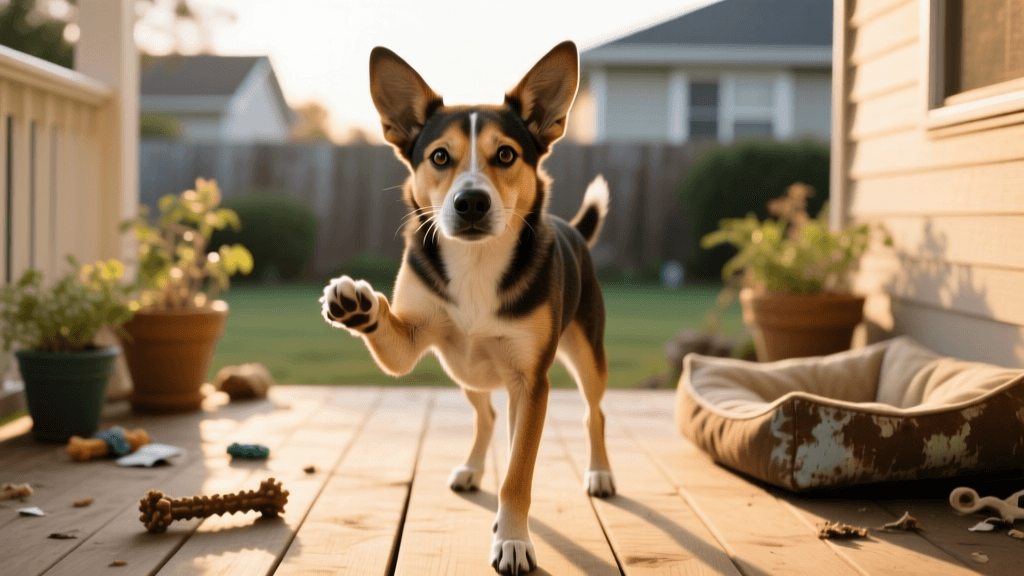
Welcome to the canine teenage years. If you thought the sleepless nights of puppyhood and the endless potty training accidents were the most challenging aspects of dog ownership, the adolescent phase might prove you wrong. Typically spanning from six to eighteen months of age, canine adolescence is a notorious life stage characterized by sudden behavioral regression, selective hearing, and an explosion of physical energy. Many dog owners feel entirely overwhelmed when their previously obedient, sweet-natured puppy suddenly transforms into a rebellious, easily distracted, and sometimes reactive teenager. However, understanding the psychological and physiological shifts occurring during this life stage is the first step toward successful management. This comprehensive life stage care guide will explore the neuroscience behind the adolescent dog brain, identify critical developmental windows like the second fear period, and provide actionable, cost-effective strategies to navigate the teenage rebellion with patience and science-based training methods.
The Neuroscience of the Teenage Dog Brain
To effectively manage an adolescent dog, it is crucial to understand the neurological remodeling happening inside their skull. During this life stage, a dog's brain undergoes massive structural changes. The limbic system—the area of the brain responsible for processing emotions, seeking rewards, and reacting to environmental stimuli—matures much faster than the prefrontal cortex equivalent, which governs impulse control, decision-making, and emotional regulation. This developmental mismatch is remarkably similar to what occurs in human teenagers. Consequently, your dog is experiencing intense emotional surges and environmental distractions but literally lacks the neurological hardware to consistently inhibit their impulses. Furthermore, if your dog is intact, hormonal surges of testosterone or estrogen will amplify these behaviors, increasing roaming instincts, territorial marking, and same-sex aggression. According to the ASPCA, this temporary neurological imbalance explains why a dog who mastered the 'sit' and 'recall' commands at four months old might suddenly act as if they have completely forgotten their training at eight months old. They have not forgotten; their brain is simply overwhelmed by competing internal and external stimuli.
Navigating the Second Fear Period
One of the most misunderstood phenomena during the adolescent life stage is the second fear period. While the first fear period occurs during early puppyhood, the second typically emerges between eight and eleven months of age. During this window, dogs may suddenly exhibit intense fear, anxiety, or reactivity toward familiar objects, people, or environments that previously did not bother them. The American Kennel Club (AKC) notes that this evolutionary trait likely served a purpose for wild canids, teaching them to be cautious of new threats as they began to explore independently from their mothers. For the modern pet dog, however, this translates into sudden leash reactivity, barking at trash cans, or refusing to enter certain rooms. Navigating this period requires immense patience. Never force your adolescent dog to interact with a feared stimulus, as this practice, known as flooding, will only deepen the neurological fear pathway. Instead, utilize classical counter-conditioning. If your dog is afraid of a person wearing a hat, stand at a distance where your dog notices the person but remains under their fear threshold, and feed high-value treats. Gradually decrease the distance over multiple sessions as your dog remains relaxed.
Life Stage Care Guide: Essential Tools and Costs
Successfully guiding your dog through the adolescent life stage requires the right management tools. Relying solely on standard leashes and basic kibble is often insufficient for a dog driven by intense environmental curiosity. Here is a curated list of essential life stage care tools, complete with estimated costs and specific measurements, to help you maintain control and provide necessary mental enrichment:
- 15ft to 30ft Biothane Long Line ($25 - $45): Adolescents should not be trusted off-leash, as their recall reliability is compromised by their developing brains. A long line allows your dog to explore, sniff, and burn physical energy safely while giving you the ability to gently enforce a recall command if they become distracted. Biothane is preferred over nylon because it does not absorb mud or water and is easy to clean.
- Interactive Puzzle Toys and Snuffle Mats ($15 - $35): Because the teenage brain craves dopamine, mental stimulation is just as exhausting as physical exercise. Utilize snuffle mats or puzzle feeders like the Kong Wobbler to force your dog to use their nose and problem-solving skills to earn their daily caloric intake. This reduces boredom-induced destructive chewing.
- High-Value Training Treats ($10 - $25): Standard dry biscuits will not compete with the scent of a squirrel. Upgrade to freeze-dried beef liver, boiled chicken breast, or low-sodium string cheese. These high-value rewards are necessary to reinforce engagement during outdoor training sessions.
- Front-Clip No-Pull Harness ($20 - $40): As your dog reaches their full adult size and strength, pulling on the leash becomes a significant issue. A front-clip harness gently redirects their forward momentum toward you, providing better mechanical control without causing tracheal damage.
Behavioral Comparison Chart: Canine Life Stages
Understanding how the adolescent phase fits into the broader scope of canine development helps set realistic expectations. The American Veterinary Society of Animal Behavior (AVSAB) emphasizes that behavioral needs shift dramatically as a dog matures. Refer to the table below to compare the primary psychological focuses and management strategies across different life stages:
| Life Stage | Age Range | Brain Development Focus | Common Behavioral Challenge | Recommended Management Strategy |
|---|---|---|---|---|
| Puppy | 2 - 6 Months | Sensory mapping and socialization windows | Bite inhibition, potty training, separation distress | Structured routines, positive reinforcement, safe social exposure |
| Adolescent | 6 - 18 Months | Limbic system surges, impulse control lags | Recall regression, leash reactivity, second fear period | Long lines, decompression walks, desensitization, high-value rewards |
| Adult | 1.5 - 7 Years | Prefrontal cortex maturity, stable temperament | Boredom, lack of mental stimulation, territoriality | Advanced obedience, dog sports, job-oriented tasks, structured play |
| Senior | 7+ Years | Cognitive maintenance, sensory decline | Canine cognitive dysfunction, anxiety, mobility loss | Orthopedic support, gentle scent enrichment, veterinary pain management |
Actionable Training Strategies for the Rebellious Teen
When working with an adolescent dog, traditional obedience drills in a sterile living room will not translate to the chaotic real world. You must train in environments that mimic their distractions while utilizing specific behavioral games designed to build impulse control and engagement.
The Engage-Disengage Game
This game is vital for dogs developing leash reactivity or hyper-fixation on environmental triggers. Equip your dog with a harness and long line. When your dog looks at a trigger (e.g., another dog across the street), immediately mark the behavior with a clicker or a verbal 'yes' and feed a high-value treat. The goal is to teach the dog that looking at a trigger predicts a reward from you, rather than a frantic pull toward the trigger. Over time, your dog will begin to voluntarily disengage from the trigger and look at you in anticipation of the treat, effectively rewiring their emotional response.
Decompression Sniffari Walks
Adolescent dogs carry a tremendous amount of physical and mental tension. Traditional heel walks do not allow them to process their environment. Dedicate at least twenty minutes a day to a 'Sniffari' walk in a quiet, natural area. Allow your dog to lead the way on their long line, sniffing every bush, rock, and blade of grass they desire. Sniffing lowers a dog's heart rate and releases endorphins, providing a natural calming effect that makes subsequent training sessions significantly more productive.
When to Seek Professional Behavioral Help
While teenage rebellion is a normal developmental life stage, certain behaviors require professional intervention. If your adolescent dog exhibits severe resource guarding, unprovoked aggression, or debilitating anxiety that prevents them from eating or sleeping, it is time to consult an expert. The AVSAB strongly recommends seeking out a certified veterinary behaviorist or a credentialed fear-free trainer rather than relying on dominance-based punishment methods, which can exacerbate fear and aggression. Expect to invest between $150 and $300 for an initial behavioral consultation, which may include a comprehensive medical workup to rule out underlying pain or neurological conditions contributing to the behavioral shifts.
Conclusion
The adolescent life stage is undeniably one of the most testing periods in the human-canine relationship. Your dog is not giving you a hard time; they are having a hard time navigating a rapidly changing brain and body. By understanding the neuroscience behind their rebellion, respecting the sensitive windows of the second fear period, and utilizing appropriate management tools like long lines and mental enrichment puzzles, you can guide your teenage dog safely into adulthood. Consistency, patience, and empathy are your greatest assets. The effort you invest in understanding and supporting your dog during this turbulent life stage will ultimately forge an unbreakable bond and result in a well-adjusted, resilient adult companion.
beth-carrasco
All our authors care for dogs every day — read more of their work on the authors page.