Understanding Your Dog's Spring Prey Drive and Behavior
Discover why your dog's prey drive and arousal spike in spring. Learn the psychology behind seasonal behavior and how to manage outdoor activities safely.
The Psychology of Spring: Why Your Dog's Behavior Shifts
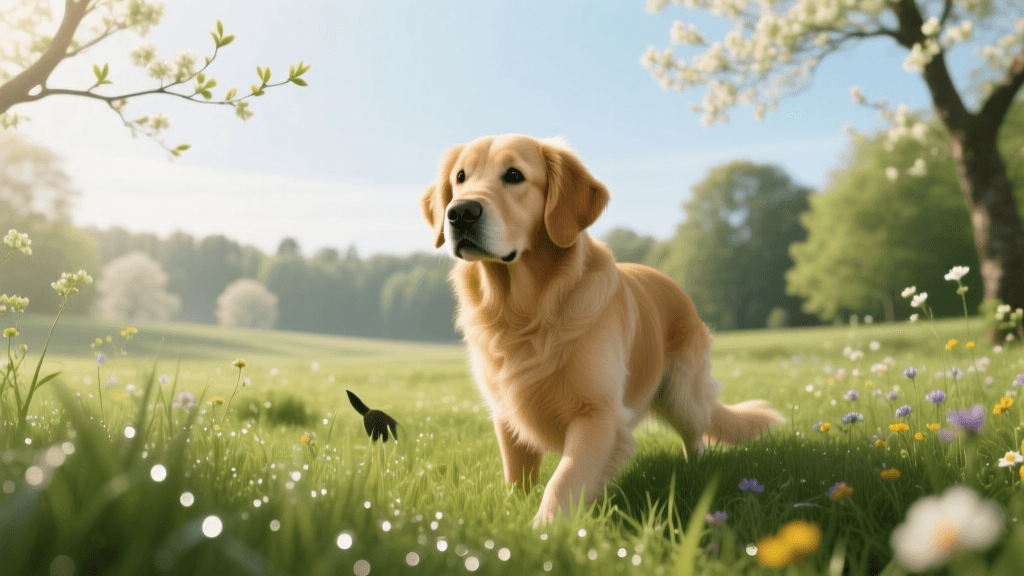
As the frost thaws and the daylight hours begin to extend, many dog owners notice a distinct shift in their pet's behavior. The lethargy of winter is suddenly replaced by a hyper-vigilant, easily distracted, and sometimes highly reactive dog. This phenomenon, often casually dismissed as spring fever, is deeply rooted in canine neurobiology and evolutionary ethology. Understanding your dog's seasonal behavior changes is critical for maintaining a safe and harmonious relationship during the most biologically active time of the year.
The primary driver of this behavioral shift is the alteration of your dog's circadian rhythm. As daylight increases, the production of melatonin (the hormone responsible for sleep and winter lethargy) decreases, while serotonin and dopamine levels begin to fluctuate. This neurochemical shift triggers ancestral instincts that have been dormant during the darker, colder months. According to the American Kennel Club (AKC), these environmental cues directly stimulate a dog's prey drive and territorial instincts, preparing them for what their wild ancestors would recognize as the prime hunting and mating season.
Furthermore, the spring environment itself is a sensory explosion. The ground thaws, releasing thousands of new scent molecules from burrowing animals, decaying vegetation, and emerging wildlife. For a dog, whose olfactory bulb is proportionally 40 times larger than a human's, this is not just a pleasant smell—it is an overwhelming flood of data that demands investigation. This sensory overload can lead to high arousal states, making recall commands significantly more difficult to enforce.
Decoding the Prey Drive Sequence
To manage your dog's springtime behavior, you must first understand the mechanics of prey drive. Canine ethologists, notably Dr. Raymond Coppinger, have mapped the predatory sequence into distinct behavioral phases. While domestication has modified this sequence in various breeds (for example, herding dogs emphasize the stalk and chase, while retrievers emphasize the grab and carry), the underlying neurological hardware remains intact.
During the spring, the emergence of rabbits, squirrels, and groundhogs provides real-world triggers for this sequence. Recognizing which phase your dog is in allows you to intervene before the behavior escalates to an unmanageable level.
| Predatory Phase | Behavioral Description | Intervention Strategy |
|---|---|---|
| 1. Orient | Ears prick forward, head snaps toward a scent or sound. | Call name, reward for eye contact. Break the focus immediately. |
| 2. Eye / Stalk | Fixed, hard stare. Body lowers, tail becomes stiff and horizontal. | Use a leave it cue. Step in front of the dog to block the visual trigger. |
| 3. Chase | Explosive forward movement. High arousal, deaf to verbal cues. | Physical restraint (long line). Do not chase the dog, as this reinforces the game. |
| 4. Grab / Kill | Catching the prey. Biting and shaking. | Prevention is the only cure. Muzzle training if scavenging or wildlife encounters are frequent. |
Reading the Subtle Signs of High Arousal
Many owners mistake high arousal for simple playfulness. However, a dog in a state of predatory arousal exhibits very specific body language that differs from relaxed, social play. According to the Humane Society of the United States, encounters with wildlife can be dangerous for both the pet and the local ecosystem, making it vital to recognize when your dog is crossing the threshold from curiosity to predatory intent.
Look for the following physiological and postural cues:
- The Hard Stare: Unlike the soft, blinking eyes of a relaxed dog, a dog in prey drive will have an unblinking, fixed gaze. The brow may furrow, and the pupils may dilate.
- Piloerection: The hair along the spine and shoulders (hackles) may stand up. This is an involuntary sympathetic nervous system response indicating high adrenaline.
- Closed Mouth and Held Breath: Playful dogs pant and have relaxed, open mouths. A dog locking onto prey will often close its mouth and hold its breath to remain silent and focused.
- Weight Shift: The dog's center of gravity will shift forward onto the front toes, preparing the hindquarters for explosive propulsion.
Actionable Management: Essential Spring Gear
Because verbal recalls often fail when a dog's dopamine system is hijacked by a prey trigger, physical management and specialized gear are non-negotiable during peak spring months. Investing in the right equipment ensures your dog's safety and protects local wildlife.
- Biothane Long Line (15 to 30 feet, $30 - $45): Unlike nylon, Biothane is waterproof, mud-proof, and will not tangle or burn your hands if the dog bolts. A 15-foot line provides enough freedom for sniffing while keeping you within a safe intervention distance.
- GPS Tracking Collar (e.g., Fi Series 3, $149 + subscription): If your dog slips a collar or breaks a leash while chasing a deer, a GPS collar is a lifesaver. The Fi collar offers Lost Dog Mode, which pings the location every few seconds via LTE-M networks.
- Baskerville Ultra Muzzle ($25 - $30): Spring is also the season of toxic baits, discarded trash, and potentially rabid wildlife. A basket muzzle allows your dog to pant, drink, and take treats while completely preventing them from ingesting hazardous items or harming animals.
Redirecting Instincts: Fulfilling Seasonal Needs
You cannot train the prey drive out of a dog; it is a hardwired survival instinct. However, you can redirect that energy into structured, safe activities that fulfill the same neurological requirements without the risks associated with chasing wildlife.
1. Canine Scent Work (Nosework)
Scent work taps directly into the Orient and Search phases of the predatory sequence. By hiding target odors (like birch, anise, or clove essential oils) around your yard or home, you allow your dog to hunt in a controlled environment. Just 15 minutes of intensive nosework can provide the same mental exhaustion as a one-hour physical run. Start by hiding treats in a snuffle mat ($20) or cardboard boxes, and gradually introduce essential oil kits to elevate the challenge.
2. Structured Flirt Pole Training
A flirt pole (a long pole with a bungee cord and a lure toy, approx. $25) is an excellent tool for satisfying the Chase and Grab phases. However, it must be used with strict rules to prevent frustration and over-arousal. Implement the Out or Drop command frequently during the session. The game should only start when the dog is sitting calmly, and it must end with the dog releasing the toy and settling down. This teaches impulse control amidst high excitement.
3. Decompression Sniffari Walks
Instead of forcing your dog to heel past incredibly stimulating spring scents, dedicate specific walks entirely to sniffing. Use your 15-foot Biothane long line and follow your dog's nose. Allow them to investigate tree stumps, tall grass, and dirt patches for as long as they wish. According to the ASPCA's spring pet care guidelines, allowing dogs to engage in natural foraging and sniffing behaviors significantly reduces stress and anxiety, lowering their overall baseline arousal levels for the rest of the day.
A dog's nose is their primary window to the world. Denying them the opportunity to sniff is akin to blindfolding a human in a new city. Structured sniffing is not a distraction from the walk; it is the purpose of the walk. — Applied Animal Behaviorists
Timing Your Walks for Success
Seasonal care also involves adjusting your schedule. Many wild animals, such as foxes, coyotes, and rabbits, are crepuscular—meaning they are most active at dawn and dusk. If your dog has a notoriously high prey drive, avoid walking in heavily wooded or field-adjacent areas during these peak wildlife hours. Opt for mid-day walks in open, well-lit, and heavily trafficked human areas where wildlife is scarce. This simple adjustment in timing can reduce your dog's daily trigger exposure by up to 80%, making training and relaxation much more achievable.
Conclusion: Embracing the Season with Empathy
Spring is a joyous time, but it requires a profound shift in how we understand and manage our dogs. By recognizing the neurobiological triggers of seasonal behavior, decoding the predatory sequence, and providing appropriate outlets for their surging instincts, you can transform potential behavioral nightmares into enriching bonding experiences. Equip yourself with the right gear, respect your dog's powerful senses, and embrace the season with patience and proactive management.
jonas-cole
All our authors care for dogs every day — read more of their work on the authors page.