Best Calming Products for Dog Anxiety: A Buyer Guide
Discover the science behind dog anxiety and compare top calming products like Adaptil, Thundershirt, and Zesty Paws to help your stressed pup relax.
Understanding the Root of Canine Anxiety
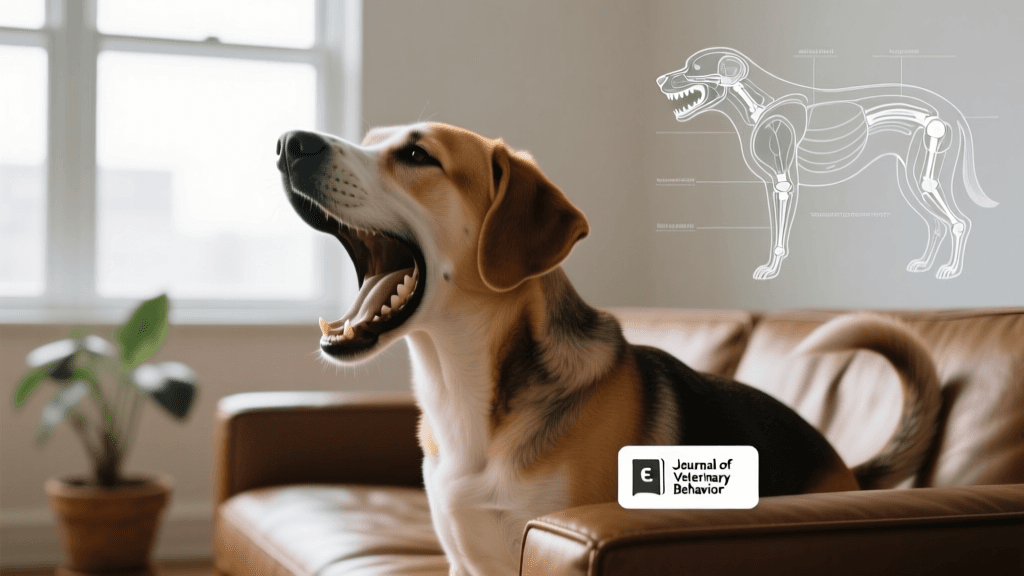
To effectively help a stressed dog, we must first understand the psychology and physiology behind their anxiety. Canine anxiety is not merely 'bad behavior'; it is a genuine emotional and neurological response to perceived threats. When a dog encounters a trigger—whether it is the sound of thunder, the departure of their owner, or an unfamiliar environment—their sympathetic nervous system activates the 'fight or flight' response. This floods their body with cortisol and adrenaline, making rational thought and learned obedience nearly impossible.
According to the ASPCA, separation anxiety and noise phobias are among the most common behavioral issues reported by dog owners. Understanding whether your dog suffers from generalized anxiety, situational phobia, or separation distress is the crucial first step in selecting the right calming intervention. While behavioral modification like desensitization and counter-conditioning are the gold standards for long-term treatment, calming products can serve as vital tools to lower your dog's baseline arousal levels, making them more receptive to training and providing immediate relief during acute stress events.
The Science of Calming: How Do These Products Work?
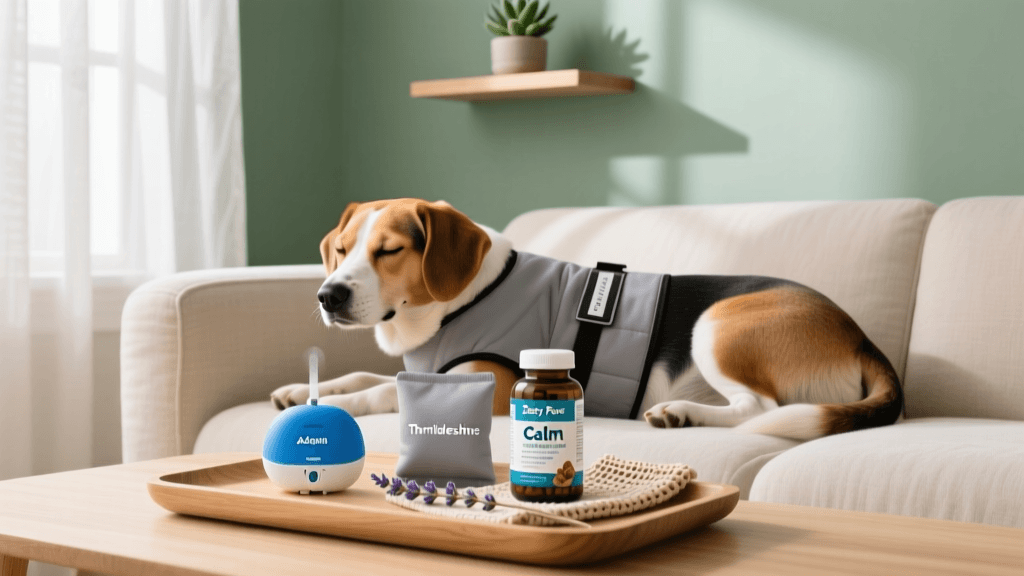
Over-the-counter calming products generally target the canine nervous system through three primary mechanisms: olfactory stimulation (pheromones), proprioceptive feedback (compression), and neurochemical support (supplements). By engaging the parasympathetic nervous system—the body's 'rest and digest' mode—these products help counteract the physiological spike in heart rate, panting, and pacing associated with panic. Below, we review three of the most highly regarded categories of calming products on the market, analyzing their scientific backing, practical application, and cost-effectiveness.
1. Adaptil Dog Appeasing Pheromone (DAP) Diffuser
Best For: Generalized anxiety, separation anxiety, and environmental transitions.
The Science: Adaptil utilizes a synthetic replica of the Dog Appeasing Pheromone (DAP), which is naturally produced by lactating mother dogs to comfort and reassure their puppies. When inhaled, these pheromones bind to the vomeronasal organ in the dog's nasal cavity, sending direct signals to the brain's limbic system (the emotional center) to promote a sense of safety.
Practical Application & Timing: The Adaptil diffuser plugs into a standard wall outlet and covers approximately 700 square feet. It is not an instant fix. For best results, plug the diffuser into the room where your dog spends the most time at least 3 to 5 days before a known stressful event (like moving houses or hosting guests). For acute situational anxiety, Adaptil also offers a spray that can be applied to a bandana or crate bedding 15 minutes prior to the trigger.
Cost: $25 - $35 for the starter kit (diffuser and 30-day refill).
Expert Insight: VCA Animal Hospitals notes that while pheromone therapy is not a standalone cure for severe behavioral disorders, it is highly effective as an adjunct therapy to reduce baseline anxiety and improve the efficacy of behavioral training.
2. The Thundershirt Anxiety Jacket
Best For: Noise phobias (fireworks, thunderstorms), travel anxiety, and acute situational stress.
The Science: The Thundershirt operates on the principle of Deep Pressure Therapy (DPT). Similar to the concept behind weighted blankets for humans, the gentle, constant pressure applied to the dog's torso stimulates the release of endorphins and oxytocin while lowering heart rate. This concept was heavily popularized by animal behaviorist Dr. Temple Grandin, who observed that gentle compression profoundly calms the nervous systems of livestock and domestic animals.
Practical Application & Timing: Proper sizing is critical. Measure your dog's chest at the widest part to ensure a snug, but not restrictive, fit. The jacket should be put on before the anxiety trigger reaches its peak. If a thunderstorm is forecasted, put the Thundershirt on your dog at the first sign of barometric pressure changes or distant rumbling, before they begin pacing or hiding.
Cost: $40 - $50 depending on size and material.
Expert Insight: The American Kennel Club highlights that while compression wraps do not work for every dog, they provide a drug-free, immediate intervention for dogs suffering from noise aversions, especially when combined with a safe, enclosed space like a crate or a windowless interior room.
3. Zesty Paws Calming Bites (Supplements)
Best For: Mild to moderate situational anxiety, hyperactivity, and travel stress.
The Science: Calming chews rely on active ingredients like L-Theanine, Ashwagandha, Chamomile, and sometimes Hemp seed powder. L-Theanine, an amino acid found in green tea, is scientifically proven to increase alpha brain waves, promoting a state of relaxed alertness without causing drowsiness. Ashwagandha acts as an adaptogen, helping the body regulate cortisol levels over time.
Practical Application & Timing: Unlike prescription sedatives, natural supplements require time to digest and enter the bloodstream. Administer the recommended dosage (based on your dog's weight) 45 to 60 minutes before the anticipated stressor, such as a car ride or a veterinary visit. For chronic mild anxiety, daily administration may be required to build up the adaptogenic benefits.
Cost: $25 - $30 for a 90-count bag.
Product Comparison Chart
| Product | Mechanism of Action | Best Used For | Onset Time | Estimated Cost |
|---|---|---|---|---|
| Adaptil Diffuser | Olfactory (Synthetic Pheromones) | Separation anxiety, home environment | 3-5 Days (Continuous use) | $25 - $35 |
| Thundershirt | Proprioceptive (Deep Pressure) | Thunderstorms, fireworks, travel | Immediate (Upon fitting) | $40 - $50 |
| Zesty Paws Chews | Neurochemical (L-Theanine, Herbs) | Vet visits, car rides, mild stress | 45 - 60 Minutes | $25 - $30 |
Actionable Advice: Building a Calming Protocol
Relying on a single product is rarely enough to manage severe canine anxiety. The most successful dog owners and veterinary behaviorists utilize a 'multimodal approach'—combining different products to target the nervous system from multiple angles. Here is a practical, actionable protocol for a known high-stress event, such as a night with heavy fireworks:
- Step 1: Environmental Prep (Morning Of): Ensure your Adaptil diffuser has been plugged in for at least 48 hours prior. Close all blinds and draw curtains to block visual stimuli and flashing lights.
- Step 2: Neurochemical Support (4:00 PM): Administer Zesty Paws Calming Bites or a similar L-Theanine supplement roughly two hours before dusk. This gives the digestive system ample time to absorb the amino acids.
- Step 3: Create a Safe Haven (5:30 PM): Move your dog to an interior room or basement where noise is muffled. Turn on a white noise machine or play classical music (specifically 'Through a Dog's Ear' audio tracks, which are psychoacoustically designed to lower canine heart rates).
- Step 4: Proprioceptive Support (6:00 PM): Fit your dog with a properly sized Thundershirt before the first firework goes off. Once the noise begins, it is often too late to apply the wrap, as the dog is already in a state of panic.
- Step 5: High-Value Distraction (Dusk): Provide a frozen Kong stuffed with peanut butter and low-sodium chicken broth. Licking and chewing are natural self-soothing behaviors that release endorphins in the canine brain.
When Products Aren't Enough: Seeking Professional Help
While over-the-counter calming products are excellent for mild to moderate anxiety, they are not a substitute for veterinary intervention in cases of severe panic. If your dog is injuring themselves trying to escape their crate, refusing food for days after a trigger, or exhibiting extreme destructive behavior, it is time to consult a veterinary behaviorist.
Prescription medications such as Fluoxetine (Prozac) for long-term baseline management, or Trazodone and Gabapentin for acute situational events, may be necessary. These medications alter brain chemistry in a way that natural supplements cannot, effectively 'lowering the volume' on the dog's panic response so that behavioral modification training can actually take root.
Final Thoughts on Canine Psychology and Product Selection
Understanding your dog means recognizing that their anxiety is not a choice, nor is it a reflection of poor training. It is a physiological response to a world that sometimes overwhelms their senses. By combining the olfactory comfort of pheromones, the physical reassurance of compression wraps, and the neurochemical support of natural supplements, you can build a comprehensive toolkit to help your dog navigate their fears. Remember to introduce all products during calm, positive moments before testing them during a high-stress event, ensuring your dog associates these tools with safety rather than panic.
priya-sutaria
All our authors care for dogs every day — read more of their work on the authors page.